

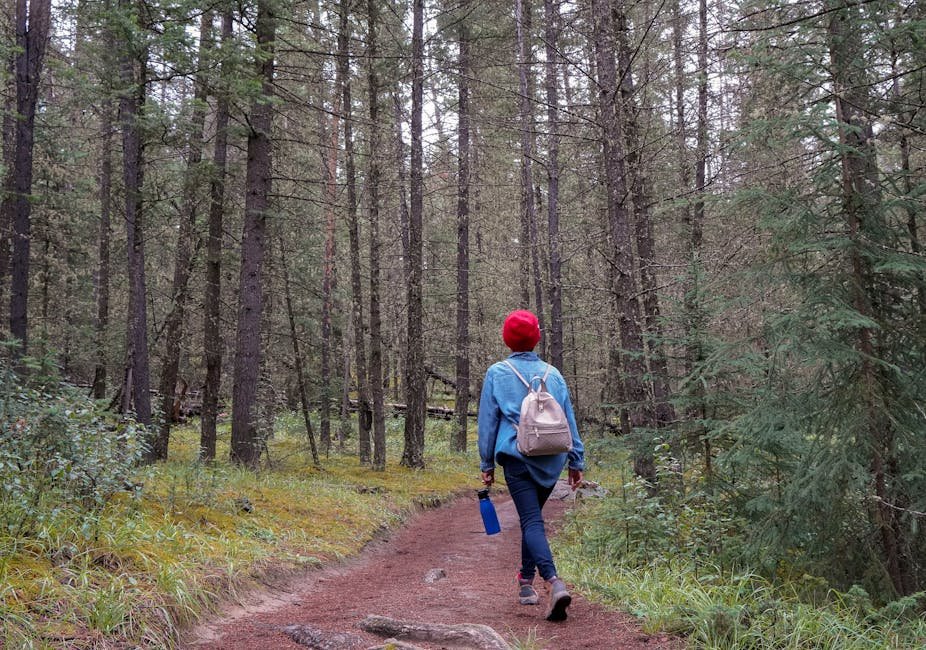
Top Hiking Trails for Solo Adventure Travelers Guide
Top Hiking Trails for Solo Adventure Travelers Guide
Looking for safe, scenic, and rewarding hiking trails perfect for solo adventurers? Whether you’re a beginner seeking solitude or an experienced trekker craving independence, the right trail can offer both challenge and peace. This guide highlights some of the world’s best hiking routes designed with solo travelers in mind—routes that prioritize safety, accessibility, and natural beauty. From well-marked mountain paths to remote desert treks, these trails offer solitude without sacrificing support. You’ll find practical insights on preparation, gear, navigation, and real-time safety tips to help you hike confidently on your own.
Why Solo Hiking Appeals to Modern Adventurers
Solo hiking has grown in popularity as more travelers seek personal growth, mindfulness, and freedom from group dynamics. It allows complete control over pace, route, and schedule. For many, it’s a form of digital detox and self-reliance training.
Unlike group hikes, solo treks encourage introspection and present-moment awareness. You’re not waiting for others or compromising on rest stops. This autonomy makes solo hiking ideal for those who value independence and want to connect deeply with nature.
That said, solo hiking requires extra preparation. Without a partner to share responsibilities, every decision—from packing to route planning—rests with you. The trails listed here are selected not just for beauty, but for their suitability for independent travelers.
Key Considerations Before You Go
Safety First: Planning and Preparation
Always research your trail thoroughly. Check recent trail conditions, weather forecasts, and local regulations. Inform someone trustworthy of your itinerary, including start and end times, and check in when you return.
Carry a physical map and compass—even if you rely on GPS. Batteries die, signals drop, and devices fail. A paper map ensures you can navigate if technology lets you down.
Consider investing in a personal locator beacon (PLB) or satellite messenger, especially for remote trails. Devices like Garmin inReach allow two-way messaging and emergency signaling, giving peace of mind in areas without cell service.
Gear Essentials for the Solo Hiker
Pack light but smart. Your backpack should include the ten essentials: navigation tools, headlamp, sun protection, first aid kit, knife, fire starter, shelter, extra food, extra water, and emergency supplies.
Choose footwear suited to the terrain. Trail runners are great for dry, well-maintained paths, while hiking boots offer ankle support on rocky or uneven ground. Break in new shoes before your trip.
Wear moisture-wicking layers and avoid cotton, which retains water and increases hypothermia risk. A lightweight rain jacket is non-negotiable, even in dry climates—weather changes fast in mountains.
Navigation and Communication
Download offline maps using apps like Gaia GPS or AllTrails. These work without cellular service and often include user reviews and photos from recent hikers.
Learn basic map-reading skills. Understand contour lines, scale, and how to orient your map with terrain features. Practice before your hike.
Carry a whistle and know the international distress signal: six blasts in one minute. It’s louder and more effective than shouting.
Top Hiking Trails for Solo Travelers Around the World
The West Highland Way, Scotland
Stretching 96 miles from Milngavie to Fort William, the West Highland Way is one of Scotland’s most iconic long-distance trails. It’s well-marked, frequently patrolled, and passes through dramatic Highland scenery.
The route includes rolling moorland, forested valleys, and views of Loch Lomond. Most hikers complete it in 6–8 days, staying in bunkhouses or B&Bs along the way. These accommodations provide social opportunities without compromising independence.
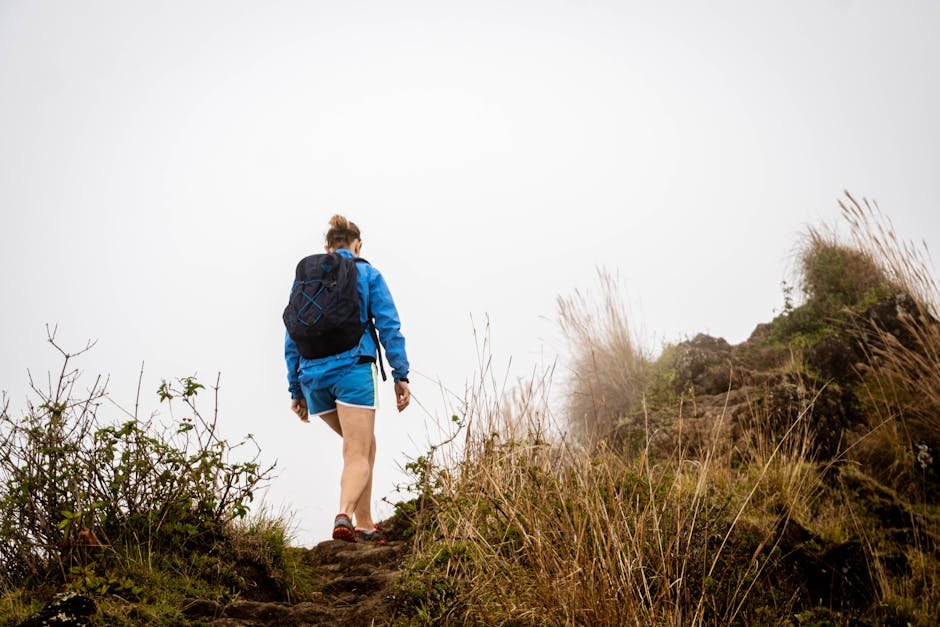
Solo travelers appreciate the trail’s popularity—it’s busy enough to ensure help is nearby, but quiet enough to enjoy solitude. The final ascent of Ben Nevis is optional but rewarding for those seeking a summit finish.
Torres del Paine W Trek, Chile
This 50-mile circuit in Patagonia is a bucket-list trek for good reason. The W Trek links five major valleys, offering views of granite towers, glacial lakes, and wild open plains.
The trail is well-maintained and supported by refugios (mountain huts) that provide meals and lodging. Reservations are required, so plan ahead—especially during peak season (November to March).
Weather in Patagonia is unpredictable. Winds can exceed 60 mph, and temperatures drop quickly. Pack windproof layers and a four-season tent if camping. Solo hikers should stick to marked trails and avoid shortcuts.
Laugavegur Trail, Iceland
Running 34 miles from Landmannalaugar to Þórsmörk, this trail showcases Iceland’s volcanic landscapes in vivid color. Expect rhyolite mountains, hot springs, black sand deserts, and glacial rivers.
The trail is typically hiked in 4–5 days, with mountain huts offering basic amenities. These huts reduce the need to carry a tent, making it ideal for ultralight solo travelers.
River crossings are a key challenge. Use trekking poles and cross with care—currents can be strong. Check water levels at hut noticeboards before proceeding.
Milford Track, New Zealand
Often called “the finest walk in the world,” the Milford Track is a 33-mile journey through Fiordland National Park. It begins at Te Anau and ends at Milford Sound, passing waterfalls, beech forests, and alpine passes.
The track is fully guided during peak season, but independent hikers can apply for a limited number of self-guided permits. These require advance booking and adherence to strict hut schedules.
Rainfall here is among the highest in the world—up to 300 inches annually. Waterproof gear is essential. The trail is well-maintained, but river levels can rise rapidly after storms.
Camino de Santiago (French Way), Spain
While not a traditional wilderness hike, the Camino de Santiago’s French Way is a 500-mile pilgrimage route ideal for solo travelers seeking cultural immersion and personal reflection.
The path is well-marked with yellow arrows and passes through historic towns, vineyards, and rolling farmland. Pilgrim hostels (albergues) offer affordable lodging and a built-in community.
Many solo hikers walk 15–20 miles per day, completing the journey in 30–35 days. The social aspect is a bonus, but solitude is easy to find on quieter stretches.
Kalalau Trail, Hawaii, USA
This 11-mile trail along Kauai’s Na Pali Coast is one of the most beautiful—and dangerous—hikes in the U.S. It features narrow paths, steep drop-offs, and river crossings.
A permit is required for overnight stays, and day hiking beyond Hanakāpī’ai Beach is discouraged due to flash floods and falling rocks. Solo hikers should assess their fitness and experience carefully.
The trail rewards with sea cliffs, waterfalls, and tropical beaches. But it’s not for beginners. Check trail closures before departing—sections often wash out during heavy rain.
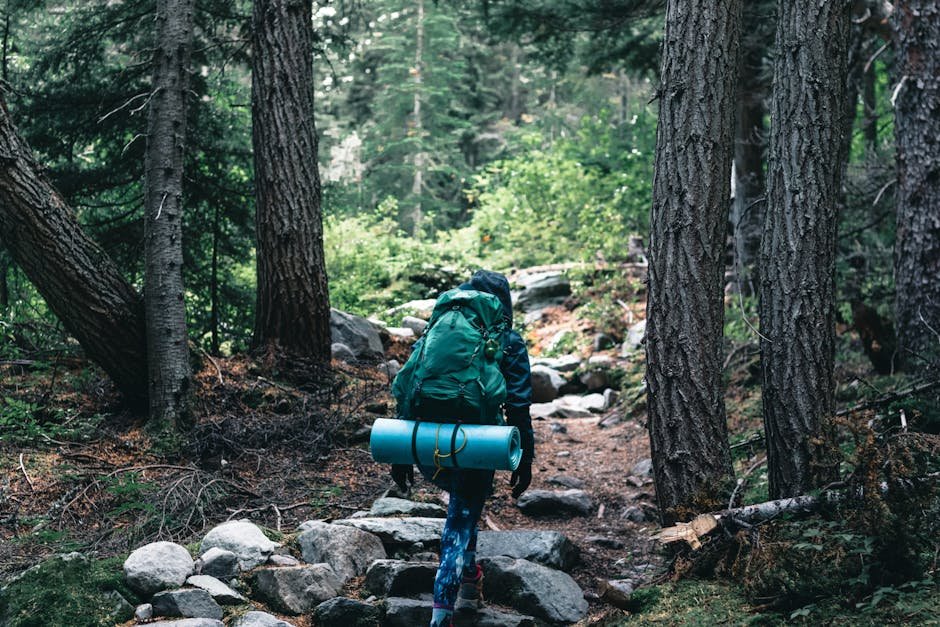
Tour du Mont Blanc, France/Italy/Switzerland
Circumnavigating Western Europe’s highest peak, this 105-mile trail crosses three countries and offers alpine meadows, glaciers, and charming mountain villages.
The route is typically completed in 7–11 days, with mountain refuges providing food and shelter. Most hikers start in Chamonix, France, and follow the counter-clockwise direction.
The trail is popular but rarely crowded. Solo travelers benefit from frequent trail markers and rescue services. Language barriers are minimal, and English is widely spoken in tourist areas.
Annapurna Circuit, Nepal
One of the world’s classic treks, the Annapurna Circuit spans 130–160 miles through diverse landscapes—from subtropical forests to high-altitude deserts.
The trail passes through traditional villages, monasteries, and the Thorong La Pass at 17,769 feet. Teahouses line the route, offering meals and lodging without the need for camping gear.
Altitude sickness is a real risk. Ascend gradually and consider spending extra days acclimatizing in Manang. Solo hikers should register with the local trekking agency and carry a TIMS card.
How to Choose the Right Trail for You
Assess Your Fitness and Experience Level
Be honest about your physical condition. A trail rated “moderate” may feel strenuous if you’re not used to elevation gain or long days on your feet.
Start with shorter, well-marked routes if you’re new to solo hiking. Build confidence with day hikes before attempting multi-day treks.
Use online resources like AllTrails or Hiking Project to read recent reviews. Pay attention to comments about trail conditions, signage, and difficulty.
Match the Trail to Your Travel Style
Do you prefer solitude or the option to meet others? Some trails, like the Camino, are social by nature. Others, like the Kalalau Trail, offer near-total isolation.
Consider your tolerance for risk. Remote trails require more self-reliance. Popular routes offer safety in numbers and easier access to help.
Think about climate and season. Desert hikes are best in cooler months, while mountain trails may be snow-covered in early summer.
Plan for Logistics and Permits
Many iconic trails require advance permits. The Milford Track, Torres del Paine, and Kalalau Trail all have strict booking systems. Apply early—spots fill months ahead.
Research transportation to and from trailheads. Some remote starts require shuttle buses or flights. Factor in travel time and costs.
Check visa requirements and travel advisories for international destinations. Ensure your passport is valid and consider travel insurance with adventure coverage.
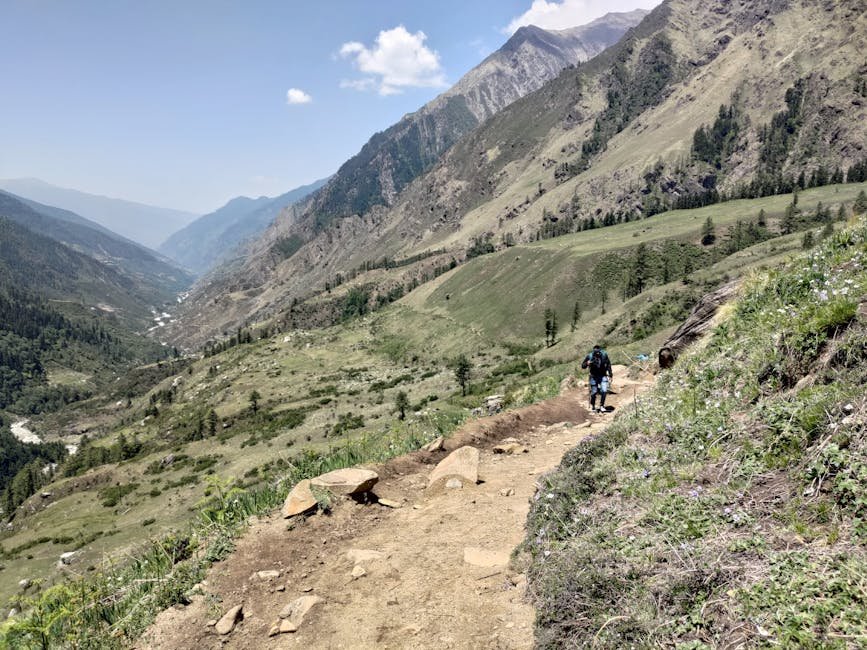
Staying Safe and Enjoying the Journey
Mental Preparedness Matters
Solo hiking isn’t just physical—it’s mental. You’ll face moments of doubt, loneliness, or fear. Prepare by practicing mindfulness or journaling during training hikes.
Set small daily goals. Instead of focusing on the total distance, aim to reach the next viewpoint or water source. Celebrate each milestone.
Carry a book, journal, or music player for downtime. But limit screen use—part of the reward is disconnecting.
Wildlife and Environmental Awareness
Research local wildlife. In bear country, carry bear spray and know how to use it. In snake-prone areas, watch where you step and avoid tall grass.
Practice Leave No Trace principles: pack out all trash, stay on trails, and minimize campfire impact. Respect local cultures and customs, especially in international destinations.
Use biodegradable soap and wash at least 200 feet from water sources. Human waste should be buried in catholes 6–8 inches deep.
What to Do in an Emergency
If injured or lost, stop moving and assess your situation. Use your PLB or satellite messenger to call for help. If you don’t have one, stay put—search teams look for your last known location.
Signal for help using a whistle, mirror, or bright clothing. Build a shelter if night is approaching. Conserve energy and water.
Know basic first aid. Treat blisters early to avoid infection. Recognize signs of hypothermia (shivering, confusion) and heat exhaustion (dizziness, nausea).
Final Tips for a Successful Solo Adventure
Start small. Your first solo hike doesn’t need to be a multi-week epic. A weekend on a well-traveled trail builds confidence and skills.
Trust your instincts. If a trail feels unsafe or conditions change, turn back. The mountain will still be there another day.
Document your journey—photos, notes, or a blog—but don’t let technology distract from the experience. Be present.
Solo hiking is as much about inner discovery as it is about physical challenge. With the right preparation and mindset, these trails can transform not just your itinerary, but your perspective.
FAQ
Q: Is it safe to hike alone on remote trails?
A: Safety depends on preparation, not company. Choose well-marked, frequently traveled trails, carry emergency communication devices, and always share your itinerary. Avoid remote routes until you have experience and proper gear.
Q: What’s the best way to stay connected while solo hiking?
A: Use a satellite messenger like Garmin inReach for texting and SOS in areas without cell service. Download offline maps and carry a power bank. A PLB is a reliable backup for emergencies.
Q: How do I avoid getting lost on unfamiliar trails?
A: Study your route beforehand, carry a physical map and compass, and use GPS apps with offline capabilities. Stay on marked paths, note landmarks, and check your position regularly. If unsure, retrace your steps.