

Best Places to Visit in Greece for Island Holidays
Best Places to Visit in Greece for Island Holidays
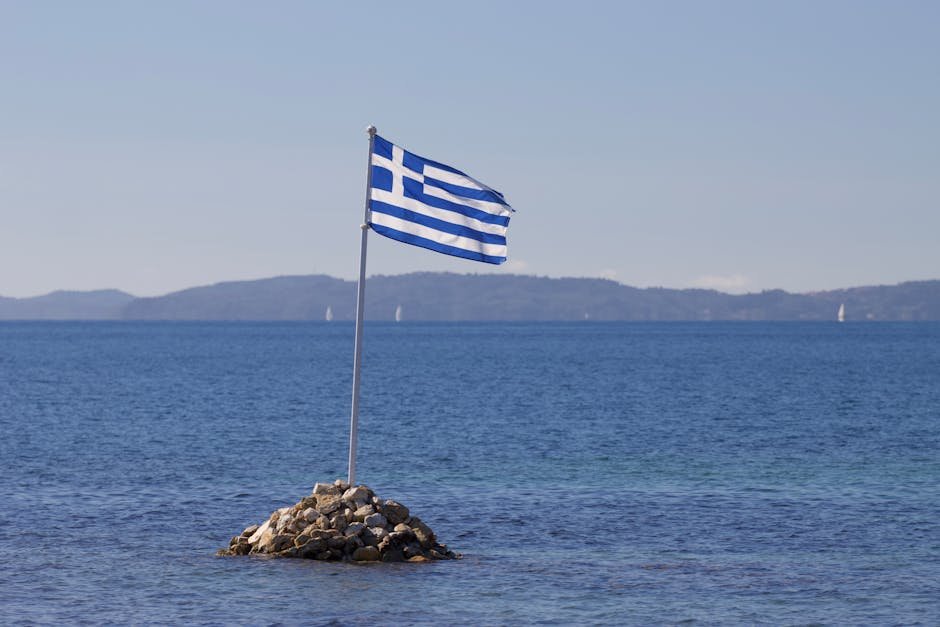
Greece is a dream destination for island lovers, offering over 6,000 islands and islets scattered across the Aegean and Ionian Seas. Whether you’re after golden beaches, ancient ruins, vibrant nightlife, or quiet fishing villages, there’s an island to match every traveler’s taste. From the iconic blue domes of Santorini to the lush hills of Kefalonia, the best places to visit in Greece for island holidays blend natural beauty, rich history, and authentic culture. This guide highlights top island destinations, what makes each unique, and practical tips to help you plan your perfect Greek escape.
Why Greece Is Ideal for Island Holidays
Greece’s islands are more than just scenic backdrops—they’re living communities with distinct personalities. Each island offers a different rhythm, from bustling port towns to secluded coves accessible only by boat. The Mediterranean climate means warm, dry summers and mild winters, making island hopping feasible from April to October.
Ferries connect major islands, and domestic flights link Athens to popular destinations like Mykonos and Crete. Local cuisine, from fresh seafood to regional cheeses, adds to the charm. With so many options, choosing where to go can be overwhelming—but focusing on your travel style helps narrow it down.
Top Greek Islands for First-Time Visitors
Santorini: Iconic Views and Romantic Sunsets
Santorini is perhaps the most photographed island in Greece, known for its whitewashed buildings, blue-domed churches, and dramatic cliffs overlooking the caldera. The villages of Oia and Fira offer stunning sunset views, boutique hotels, and fine dining with caldera vistas.
Visit the ancient site of Akrotiri, a Minoan Bronze Age settlement preserved in volcanic ash. Red Beach and Perissa’s black sand beaches are unique geological features. While popular, Santorini can feel crowded in peak season—book accommodations and restaurants early.
Mykonos: Beaches, Nightlife, and Cycladic Charm
Mykonos blends cosmopolitan energy with traditional Greek architecture. Known for its lively beach clubs, vibrant nightlife, and designer shopping, it attracts a stylish crowd. Yet, quieter villages like Ano Mera offer a more relaxed pace.
Explore Little Venice, where seaside bars line the waterfront, and don’t miss the iconic windmills. The island has excellent beaches—Paradise and Super Paradise are famous for parties, while Ornos and Agios Ioannis are better for families. Mykonos is well-connected by ferry and air, making it a convenient starting point for island hopping.
Crete: Culture, Cuisine, and Diverse Landscapes
As Greece’s largest island, Crete offers incredible variety—from snow-capped mountains to palm-lined beaches. It’s a cultural hub with Minoan palaces like Knossos and ancient ruins scattered across the island.
Chania and Rethymno have charming old towns with Venetian harbors and narrow alleys. The Samaria Gorge, one of Europe’s longest canyons, is a popular hiking trail. Crete’s cuisine stands out—try dakos (barley rusks with tomato and cheese) and local olive oil. With its size, renting a car is the best way to explore.
Hidden Gems for a More Authentic Experience
Milos: Volcanic Beauty and Secluded Coves
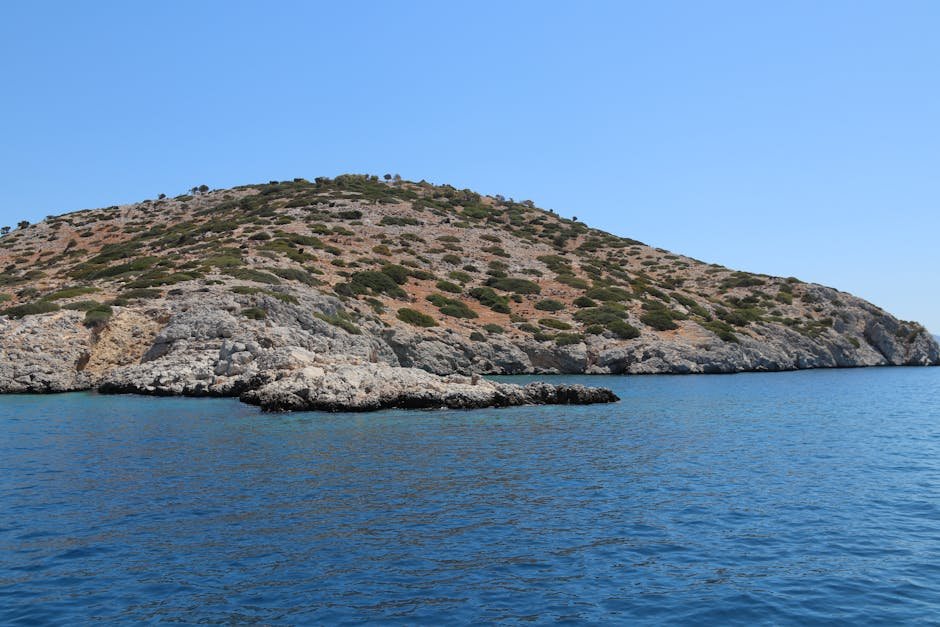
Milos is a volcanic island with dramatic rock formations, sea caves, and crystal-clear waters. It’s less developed than Santorini or Mykonos, offering a more tranquil experience. The colorful fishing village of Klima, with its syrmata (boat houses), is a highlight.
Sarakiniko Beach, with its moon-like white rock landscape, is a must-see. Take a boat tour to explore sea caves like Kleftiko. Milos is ideal for travelers seeking natural beauty without the crowds. Ferries from Piraeus take about 2.5 to 4 hours, depending on the route.
Naxos: Family-Friendly Beaches and Mountain Villages
Naxos, the largest of the Cyclades, combines long sandy beaches with mountainous interior villages. It’s perfect for families and those wanting a mix of relaxation and exploration. Agios Prokopios and Plaka beaches are among the best in the region.
The island has a rich history, with the Portara—a massive marble gateway to an ancient temple—standing at the entrance to Naxos Town. Hike up Mount Zas, the mythological home of Zeus, or visit traditional villages like Apiranthos, known for its stone architecture and local crafts.
Folegandros: Quiet Charm and Cliffside Villages
Folegandros is a small, unspoiled island with a laid-back vibe. The main village, Chora, sits atop a cliff with panoramic views and narrow, winding streets. It’s ideal for travelers who want to escape the tourist trail.
Katergo Beach, accessible by a short hike or boat, offers calm waters and a peaceful setting. The island has limited nightlife but plenty of tavernas serving fresh seafood. Folegandros is accessible by ferry from Piraeus and nearby islands like Milos and Sikinos.
Best Islands for Nature and Outdoor Adventures
Zakynthos (Zante): Shipwreck Beach and Marine Life
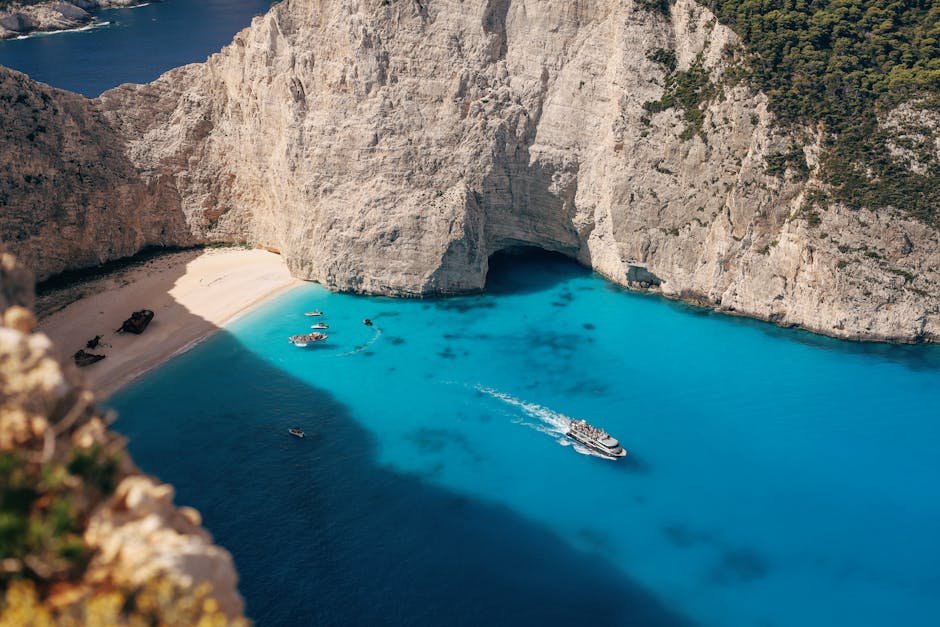
Zakynthos, in the Ionian Sea, is famous for Navagio (Shipwreck) Beach, one of Greece’s most photographed spots. The island has lush greenery, blue caves, and protected sea turtle nesting sites.
Visit the National Marine Park of Zakynthos to learn about loggerhead turtle conservation. The Blue Caves can be explored by boat tour. While the south has lively resorts, the north offers quieter beaches and hiking trails. Be mindful of environmental regulations—some areas restrict swimming or anchoring.
Kefalonia: Mountains, Caves, and Secluded Beaches
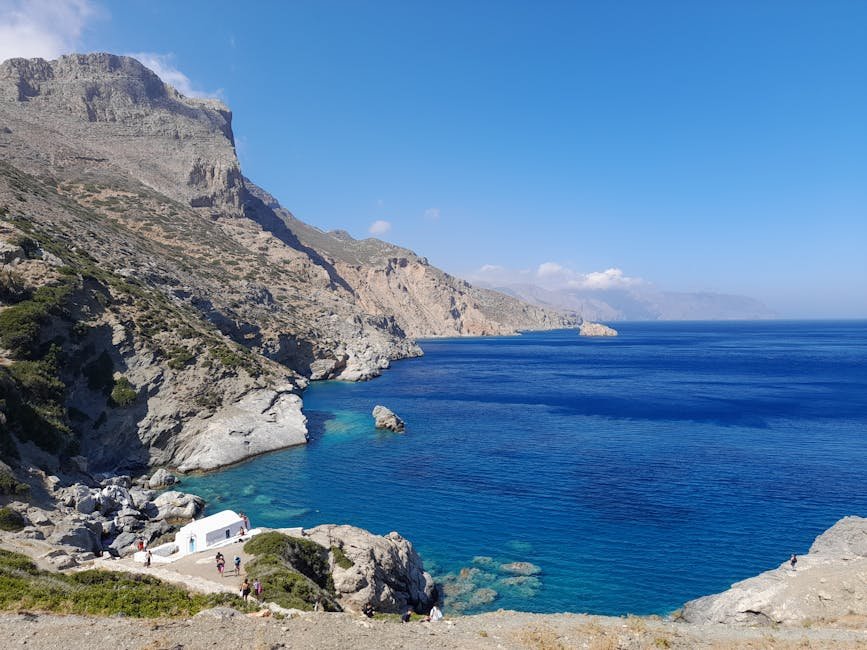
Kefalonia is the largest Ionian island, offering rugged mountains, olive groves, and dramatic coastlines. Myrtos Beach, with its turquoise water and white pebbles, is often ranked among Greece’s best.
Explore the Melissani Cave, a semi-subterranean lake with stunning light effects. The island has several traditional villages, like Assos and Fiscardo, with colorful houses and waterfront tavernas. Renting a car is essential to reach remote beaches and viewpoints.
Rhodes: Medieval History and Diverse Coastlines
Rhodes, in the Dodecanese, blends medieval architecture with beautiful beaches. The Old Town of Rhodes is a UNESCO World Heritage Site, with cobbled streets, ancient walls, and the Palace of the Grand Master.
The island has a variety of coastlines—Lindos offers a picturesque clifftop acropolis and sandy beach, while the west coast has quieter bays. Rhodes is also a gateway to nearby islands like Symi and Halki. It’s well-served by ferries and an international airport.</
Island Hopping Tips and Practical Advice
How to Get Around the Greek Islands
Ferries are the most common way to travel between islands. High-speed ferries reduce travel time but can be more expensive. Book tickets in advance during peak season (July–August). Companies like Blue Star Ferries and Hellenic Seaways operate reliable routes.
Domestic flights from Athens to islands like Mykonos, Santorini, and Crete take under an hour. For remote islands, ferries may be the only option. Always check timetables—routes change seasonally and weather can cause delays.
When to Visit for the Best Experience
Peak season (June to September) offers warm weather and full services but also crowds and higher prices. Shoulder months (April–May and September–October) are ideal—fewer tourists, pleasant temperatures, and lower costs.
Winter is quiet, with many hotels and restaurants closed. Some islands, like Crete and Rhodes, remain accessible year-round. For swimming, aim for June onwards when sea temperatures reach 22–24°C (72–75°F).
What to Pack and Local Etiquette
Pack light, breathable clothing, strong sunscreen, and comfortable walking shoes. A reusable water bottle helps reduce plastic use—many islands have refill stations. Bring a light jacket for cooler evenings, even in summer.
Respect local customs: dress modestly when visiting churches, and greet shopkeepers with a polite “Yassas” (hello). Tipping 5–10% in restaurants is appreciated but not mandatory. Always ask before photographing people.
Budgeting for Your Greek Island Holiday
Costs vary widely by island and season. Santorini and Mykonos are among the most expensive, with luxury hotels and high-end dining. Islands like Naxos, Milos, and Folegandros offer better value, with affordable family-run guesthouses and local eateries.
Eat where locals eat—tavernas often serve fresh, seasonal dishes at reasonable prices. Avoid restaurants near major tourist sites, which may charge premium rates. Public transport is limited on smaller islands, so factor in taxi or scooter rental costs.
Set a daily budget: €50–70 per person covers mid-range meals, transport, and activities. All-inclusive resorts are rare in Greece—most travelers prefer à la carte experiences. Always carry some cash, as smaller establishments may not accept cards.
Final Thoughts: Choosing the Right Island for You
The best places to visit in Greece for island holidays depend on your travel style. Are you seeking romance, adventure, culture, or relaxation? Santorini and Mykonos shine for luxury and nightlife, while Crete and Rhodes offer depth and history. For peace and authenticity, consider Milos, Folegandros, or Naxos.
Start by deciding your priorities—beach quality, historical sites, or local cuisine. Then match them to island strengths. Don’t try to visit too many islands in one trip—travel between them takes time. Focus on 2–3 islands for a more immersive experience.
FAQ
What is the best time of year to visit the Greek islands?
The best time is late spring (May–June) or early autumn (September–October), when the weather is warm, crowds are smaller, and prices are lower than in peak summer months.
Do I need to rent a car on the Greek islands?
It depends on the island. Larger islands like Crete, Rhodes, and Kefalonia benefit from car rentals to explore remote areas. Smaller islands like Santorini or Mykonos have good public transport and walking paths.
Are the Greek islands safe for solo travelers?
Yes, the Greek islands are generally very safe for solo travelers. Violent crime is rare, and locals are known for their hospitality. As with any destination, stay aware of your surroundings, especially in crowded areas or at night.