

Best Adventure Travel Destinations in South America
Best Adventure Travel Destinations in South America
South America offers some of the world’s most thrilling adventure travel experiences. From the towering Andes to the dense Amazon rainforest, the continent blends natural wonder with physical challenge. Whether you’re trekking ancient Inca trails, scaling volcanic peaks, or navigating whitewater rapids, these destinations deliver unforgettable journeys. This guide highlights the top spots for adventure seekers, with practical tips and essential insights to help you plan your next expedition.
Why South America Is a Top Choice for Adventure Travel
South America stands out for its dramatic geography and cultural depth. The continent spans deserts, jungles, mountains, and coastlines—all within relatively compact regions. This diversity allows travelers to experience multiple ecosystems in a single trip.
Adventure here isn’t just about adrenaline. It’s about immersion—walking through centuries-old ruins, sharing meals with Indigenous communities, and witnessing wildlife in untouched habitats. The infrastructure for travelers has improved significantly, with well-marked trails, reliable guides, and eco-conscious lodges.
Key Factors That Make These Destinations Stand Out
Several elements define South America’s adventure appeal. First, the Andes mountain range runs the length of the continent, offering world-class trekking, climbing, and skiing. Second, the Amazon basin provides unparalleled opportunities for jungle exploration and wildlife spotting. Third, countries like Peru, Bolivia, and Ecuador have preserved ancient trails and sacred sites, adding cultural depth to physical challenges.
Safety and accessibility have also improved. Many national parks now offer ranger support, emergency communication systems, and certified local guides. This makes remote adventures more feasible for independent travelers.
Top Adventure Travel Destinations in South America
1. Torres del Paine, Chile
Located in Chilean Patagonia, Torres del Paine National Park is a magnet for hikers and climbers. The park’s iconic granite towers rise over 2,500 meters above the Patagonian steppe. The W Trek—a 5–7 day circuit—is the most popular route, passing glacial lakes, forests, and the base of the towers.
For a greater challenge, the Full Circuit adds another week and includes the challenging John Gardner Pass. Weather is unpredictable; strong winds and sudden storms are common. Pack layered clothing and waterproof gear regardless of season.
Permits are required for overnight hikes. Book refugios (mountain huts) or campsites well in advance, especially during peak season (November to March). Guided tours are available but self-guided travel is common with proper planning.
2. The Inca Trail to Machu Picchu, Peru
The Inca Trail remains one of the most famous trekking routes in the world. This 43-kilometer trail winds through cloud forests, high-altitude passes, and Inca ruins before arriving at the Sun Gate overlooking Machu Picchu.
The trek typically takes four days and reaches an elevation of 4,215 meters at Dead Woman’s Pass. Altitude sickness is a real concern. Acclimatize in Cusco for at least two days before starting. Drink plenty of water and avoid alcohol.
Only 500 permits are issued daily, including guides and porters. Book at least six months in advance through a licensed operator. Independent hiking is not permitted. Choose a responsible tour company that pays fair wages and follows Leave No Trace principles.
3. The Amazon Rainforest, Brazil and Peru
The Amazon is the planet’s largest tropical rainforest and a prime destination for jungle adventures. In Brazil, the town of Manaus serves as a gateway to the Rio Negro. In Peru, Iquitos and Puerto Maldonado offer access to biodiverse lodges and river expeditions.
Activities include canoe trips, night walks, birdwatching, and visits to Indigenous villages. Wildlife sightings may include pink river dolphins, sloths, capybaras, and hundreds of bird species. Bring insect repellent, long sleeves, and a good camera with zoom.
Choose eco-lodges with strong conservation policies. Avoid tours that offer “wildlife petting” or feeding—these disrupt natural behaviors. Travel during the dry season (May to September) for easier navigation and fewer mosquitoes.
4. Salar de Uyuni, Bolivia
The world’s largest salt flat, Salar de Uyuni, spans over 10,000 square kilometers. During the rainy season (December to March), a thin layer of water creates a mirror effect, reflecting the sky in surreal patterns. In the dry season, the cracked salt crust forms geometric patterns ideal for photography.
Most visitors join multi-day 4×4 tours from Uyuni town. These typically include stops at the Train Cemetery, colored lagoons, and the nearby Eduardo Avaroa National Reserve. Altitude exceeds 3,600 meters, so acclimatization is essential.
Pack warm clothing—temperatures drop below freezing at night. Bring sunglasses and sunscreen; the salt reflects UV rays intensely. Book tours with reputable companies that provide reliable vehicles and experienced drivers.
5. Patagonia, Argentina (El Chaltén and Los Glaciares)
Argentina’s side of Patagonia rivals Chile’s with rugged peaks and massive glaciers. El Chaltén, known as the “trekking capital of Argentina,” offers trails to Mount Fitz Roy and Cerro Torre. These granite spires attract climbers from around the globe.
Los Glaciares National Park features the Perito Moreno Glacier, a 250-square-kilometer ice mass that calves into Lake Argentino. Walkways allow close viewing, and boat tours offer front-row seats to ice collapses. Glacier trekking is available with certified guides.
Weather changes rapidly. Check forecasts daily and be prepared to adjust plans. Trails are well-marked, but river crossings can be hazardous after rain. Carry a GPS device and paper maps as backup.
6. Cotopaxi and the Avenue of Volcanoes, Ecuador
Ecuador’s Avenue of Volcanoes is a high-altitude corridor lined with snow-capped peaks. Cotopaxi, one of the world’s highest active volcanoes, is a popular destination for climbers. The summit reaches 5,897 meters and requires technical ice climbing skills.
For non-climbers, the national park offers hiking, mountain biking, and horseback riding. The Limpiopungo Lagoon trail is a moderate 3-kilometer loop with views of the volcano. Wildlife includes Andean condors and wild horses.
Hire a certified guide for summit attempts. Climbing permits are required and available at the park entrance. Acclimatize in Quito (2,850 meters) before ascending. Avoid climbing during the rainy season (October to May) due to unstable conditions.
7. Tayrona National Park, Colombia
Where the Sierra Nevada mountains meet the Caribbean Sea, Tayrona National Park offers a unique blend of jungle, beach, and archaeology. Hiking trails lead through palm forests to secluded beaches like Cabo San Juan.
The park is home to Indigenous communities and ancient ruins. Respect cultural sites and follow marked paths. Swimming is possible in designated areas, but strong currents and jellyfish are present—check local advisories.
Overnight stays are allowed in eco-camps or hammocks. Bring your own water purification system. The park closes during heavy rains to prevent landslides. Visit between December and March for the best weather.
8. Huascarán National Park, Peru
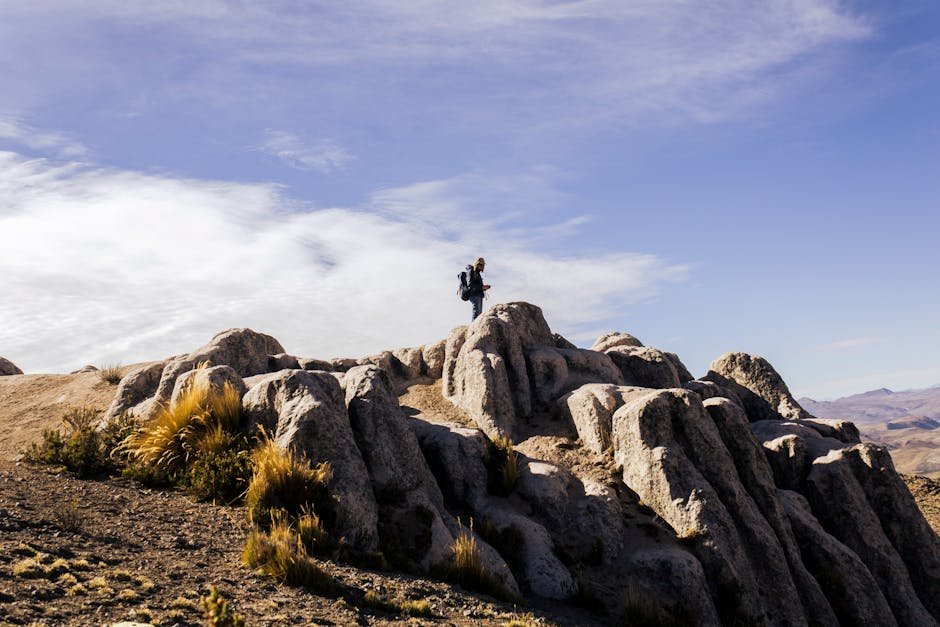
Home to Peru’s highest peak, Huascarán (6,768 meters), this park in the Cordillera Blanca offers world-class mountaineering and trekking. The Santa Cruz Trek is a four-day route passing glacial lakes, waterfalls, and Quechua villages.
The trail reaches 4,750 meters at Punta Union Pass. Altitude sickness is a risk. Ascend gradually and consider medication like acetazolamide. Trails are well-maintained, but river crossings require caution.
Permits are required and available in Huaraz. Hire a local guide or porter for support. The dry season (May to September) offers the most stable weather. Avoid the park during the rainy season due to landslide risks.
9. Iguazu Falls, Argentina and Brazil
One of the world’s most spectacular waterfalls, Iguazu spans nearly 3 kilometers with over 275 individual drops. The Devil’s Throat—a U-shaped cascade—is the most dramatic section.
Both countries offer different perspectives. Argentina’s side features walkways that bring you close to the falls. Brazil’s side provides panoramic views from elevated platforms. Combine both for a complete experience.
Boat rides under the falls are available on both sides. Wear waterproof gear and secure your belongings. The area is humid and buggy—bring repellent. Visit in the shoulder seasons (April–May or September–October) to avoid crowds.
10. The Darién Gap, Panama and Colombia
The Darién Gap is one of the last true wilderness frontiers in the Americas. This dense rainforest and swamp region has no roads and is largely inaccessible. It’s a destination for extreme adventurers and researchers.
Travel here is not recommended for most tourists due to safety concerns, including drug trafficking and limited rescue options. However, guided expeditions with experienced outfitters are possible for those with advanced survival skills.
If considering a trip, consult with local authorities and international travel advisories. Ensure you have satellite communication, medical training, and evacuation insurance. Most travelers opt for safer jungle alternatives in Costa Rica or Ecuador.
How to Plan Your South American Adventure
Planning an adventure trip to South America requires research, preparation, and flexibility. Start by defining your interests—trekking, climbing, wildlife, or cultural immersion. Then choose destinations that match your fitness level and experience.
Consider the timing. Each region has a dry and rainy season, which affects trail conditions, wildlife visibility, and accessibility. For example, Patagonia is best visited in summer (December to February), while the Amazon is more accessible in the dry months.
Essential Preparation Steps
- Check visa requirements: Some countries require visas for certain nationalities. Apply early.
- Get vaccinations: Yellow fever, typhoid, and hepatitis A are recommended for most regions. Consult a travel clinic.
- Pack smart: Bring moisture-wicking clothing, sturdy footwear, a first-aid kit, and a water filter.
- Arrange travel insurance: Choose a plan that covers high-altitude trekking, adventure sports, and medical evacuation.
- Learn basic Spanish: While English is spoken in tourist areas, knowing Spanish improves safety and cultural exchange.
Choosing the Right Tour Operator
If joining a guided tour, select a company with strong safety records and environmental policies. Look for certifications from organizations like the International Ecotourism Society or local adventure associations.
Ask about guide qualifications, group sizes, and emergency protocols. Read recent reviews on platforms like TripAdvisor or Google. Avoid the cheapest options—quality and safety matter more than price.
Safety Tips for Adventure Travel in South America
Safety should always be a priority. While most adventure destinations are well-managed, risks exist—especially at high altitudes, in remote areas, or during extreme weather.
Always inform someone of your itinerary and expected return time. Carry a satellite messenger if traveling off-grid. Avoid hiking alone in unfamiliar terrain.
Be aware of altitude sickness symptoms: headache, nausea, dizziness. Descend immediately if symptoms worsen. Stay hydrated and avoid alcohol at high elevations.
Respect local customs and environmental rules. Do not remove artifacts, feed wildlife, or leave trash. Follow Leave No Trace principles to protect fragile ecosystems.
Sustainable Adventure Travel Practices
Adventure travel can have environmental and social impacts. Choose eco-friendly accommodations and tour operators that support local communities. Hire local guides and buy from local vendors.
Minimize plastic use by carrying reusable bottles and bags. Support conservation projects through donations or volunteer programs. Offset your carbon footprint when possible.
Travel slowly and stay longer in fewer places. This reduces transportation emissions and deepens your connection to the destination.
FAQ
What is the best time of year to visit South America for adventure travel?
The ideal time varies by region. Patagonia is best in summer (December to February), while the Amazon is more accessible during the dry season (May to September). The Andes and Machu Picchu are optimal from April to October. Research each destination individually.
Do I need a guide for trekking in South America?
Guides are required on certain trails like the Inca Trail and Cotopaxi. For others, such as the W Trek or Santa Cruz Trek, independent hiking is allowed. However, hiring a local guide enhances safety, cultural insight, and navigation—especially in remote areas.
Is adventure travel in South America safe for solo travelers?
Yes, with proper planning. Many solo travelers successfully complete treks and jungle tours. Choose reputable operators, stay in well-reviewed accommodations, and share your plans with someone reliable. Avoid risky areas and trust your instincts.