

Top Hiking Trails in New Zealand for Adventure Lovers
Top Hiking Trails in New Zealand for Adventure Lovers
New Zealand is a hiker’s paradise, offering some of the world’s most scenic and diverse trails. From coastal walks to alpine treks, the country’s well-maintained paths cater to all levels of experience. Whether you’re after a day hike or a multi-day adventure, New Zealand delivers unforgettable landscapes and physical challenges. This guide highlights the top hiking trails in New Zealand for adventure lovers, focusing on routes that combine natural beauty, difficulty, and accessibility.
Why New Zealand Is a Hiking Destination
New Zealand’s geography is defined by dramatic mountains, lush rainforests, glacial lakes, and rugged coastlines. The Department of Conservation (DOC) manages over 1,400 huts and 10 Great Walks, making it easy for hikers to explore safely. The country’s mild climate and clear signage add to its appeal. Unlike many destinations, trails here are designed with both beginners and seasoned trekkers in mind.
Adventure seekers will find routes that test endurance, navigation skills, and comfort with changing weather. Many trails pass through UNESCO World Heritage sites, offering cultural and ecological significance alongside physical challenge. The combination of infrastructure and raw wilderness makes New Zealand uniquely suited for hiking.
Top Hiking Trails in New Zealand for Adventure Lovers
1. Milford Track – Fiordland National Park
The Milford Track is often called the “finest walk in the world.” Spanning 53.5 kilometers (33.2 miles), this four-day trek begins at Te Anau and ends at Milford Sound. It passes through rainforests, alpine passes, and beneath towering waterfalls like Sutherland Falls.
Hikers stay in DOC huts along the route, which include bunk beds, cooking facilities, and toilets. The trail is well-marked and mostly flat, but river crossings and sudden weather changes require preparation. Bookings are essential—permits sell out months in advance, especially during the peak season from October to April.
2. Routeburn Track – Fiordland and Mount Aspiring National Parks
Stretching 32 kilometers (20 miles), the Routeburn Track connects two national parks and offers alpine vistas, beech forests, and glacial valleys. Most hikers complete it in two to three days, staying in huts or campsites.
The trail crosses the Harris Saddle at 1,255 meters, offering panoramic views of the Darran Mountains and the Hollyford Valley. Weather can shift rapidly, so layers and waterproof gear are essential. The Routeburn is less crowded than the Milford Track, making it ideal for those seeking solitude without sacrificing scenery.
3. Tongariro Alpine Crossing – Tongariro National Park
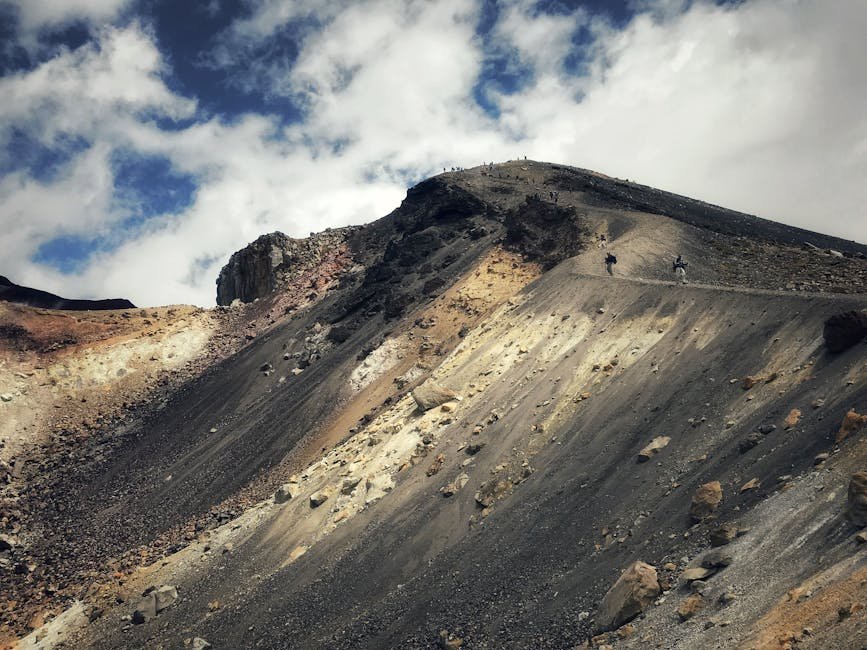
This 19.4-kilometer (12-mile) one-day hike is one of New Zealand’s most famous trails. It traverses an active volcanic landscape, including the vivid Emerald Lakes and the steaming Red Crater. The terrain is rugged, with steep ascents and descents.
The crossing is best attempted between November and April, when snow is minimal and track conditions are safest. Hikers should start early to avoid afternoon thunderstorms. No huts are available, so this is a full-day commitment requiring good fitness and proper footwear.
4. Kepler Track – Fiordland National Park
The Kepler Track is a 60-kilometer (37-mile) loop that can be completed in three to four days. It features a mix of forested valleys, alpine ridges, and lake views. The Luxmore Hut, perched on a ridge, offers one of the best sunrise views in the country.
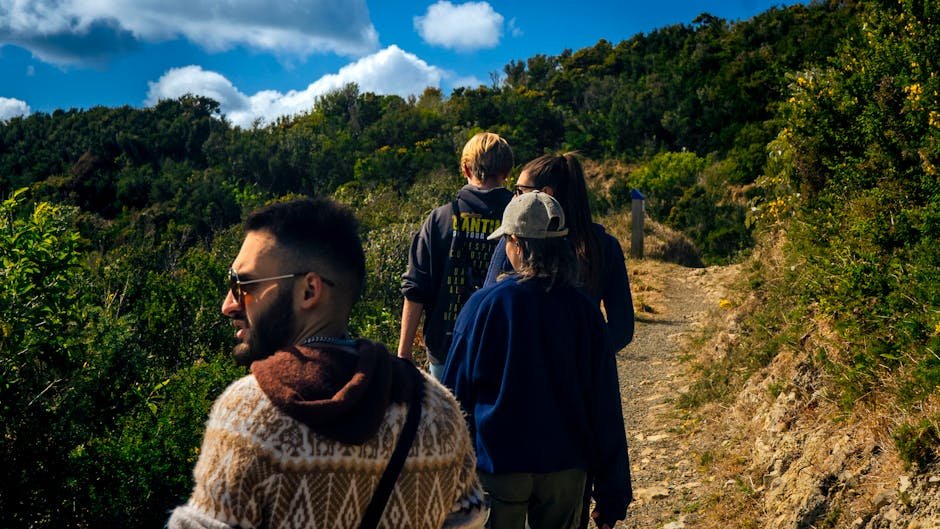
The track is well-maintained and includes boardwalks and swing bridges. A shorter two-day option is available by taking a water taxi across Lake Te Anau. The Kepler is ideal for those who want a Great Walk experience with flexibility in duration.
5. Abel Tasman Coast Track – Abel Tasman National Park
New Zealand’s sunniest national park is home to the Abel Tasman Coast Track, a 60-kilometer (37-mile) trail along golden beaches and turquoise waters. Most hikers complete it in three to five days, staying in huts or campsites.
Unlike other Great Walks, this trail is mostly sea-level and suitable for casual hikers. Kayaking between sections is common, and tidal crossings require timing. The park is accessible by water taxi, allowing for flexible start and end points.
6. Heaphy Track – Kahurangi National Park
The Heaphy Track spans 78.5 kilometers (49 miles) from the east to west coast of the South Island. It’s the longest of the Great Walks and takes five to six days to complete. The trail passes through diverse ecosystems, from alpine tussock to nikau palm forests.
Hikers may encounter kea (alpine parrots) and rare birds like the great spotted kiwi. The track ends at the wild West Coast, where the Heaphy River meets the Tasman Sea. Due to its length and remote sections, thorough planning and resupply planning are necessary.
7. Rakiura Track – Stewart Island
Located on remote Stewart Island, the Rakiura Track is a 32-kilometer (20-mile) loop that takes three days. It’s known for its pristine forests, birdlife, and opportunities to spot kiwi in the wild.
The trail is relatively flat and well-marked, making it accessible for most fitness levels. Huts are basic but comfortable. Because of the island’s isolation, flights or ferries from Invercargill are required. This track is perfect for those seeking quiet and natural immersion.
8. Queen Charlotte Track – Marlborough Sounds
This 71-kilometer (44-mile) trail runs along the ridgelines of the Marlborough Sounds, offering sweeping views of the waterways below. It can be hiked in four to five days or broken into shorter segments.
The track is well-serviced, with water taxis, lodges, and guided tours available. It’s popular with both hikers and mountain bikers, though sections are bike-only. The blend of coastal scenery and forest makes it a favorite for photographers and nature lovers.
9. Mueller Hut Route – Mount Cook National Park
For a challenging alpine hike, the Mueller Hut Route near Aoraki / Mount Cook is unmatched. The 10-kilometer (6.2-mile) return trip gains over 1,000 meters in elevation and takes six to eight hours.
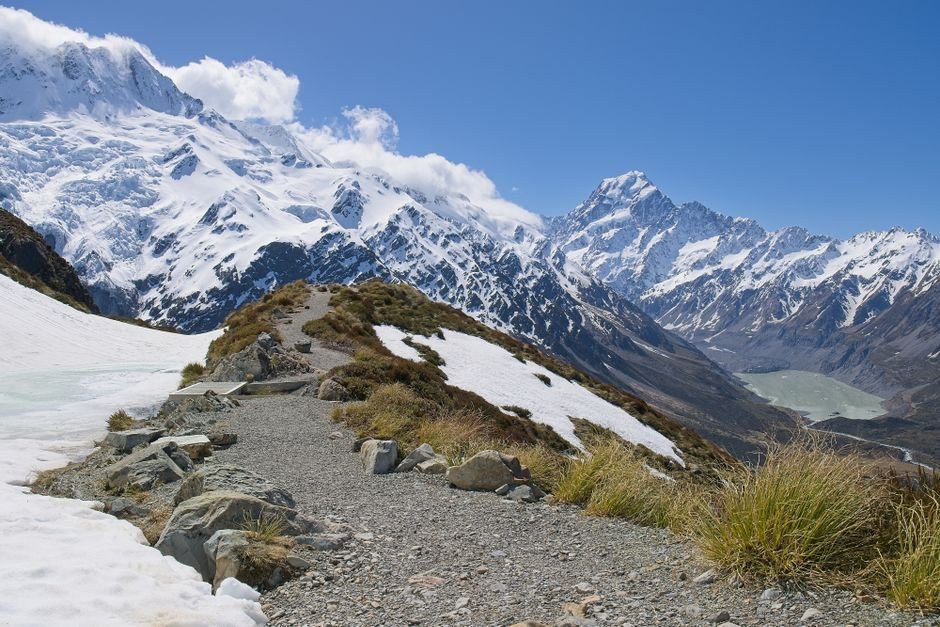
The trail climbs through scree slopes and snow patches, ending at a modern hut with panoramic views of glaciers and peaks. A DOC hut pass is required, and crampons may be needed in early season. This hike is recommended only for experienced hikers with alpine skills.
10. Roy’s Peak Track – Wanaka
Roy’s Peak is a 16-kilometer (10-mile) return hike that rewards climbers with one of the most photographed views in New Zealand: a bird’s-eye look at Lake Wanaka and the surrounding mountains.
The trail gains 1,200 meters and takes five to seven hours round-trip. It’s steep and exposed, with no shade or water sources. Best attempted in summer, it’s a popular day hike but can get crowded. Early starts help avoid crowds and heat.
Planning Your Hiking Adventure
Best Time to Hike
The hiking season in New Zealand runs from October to April, with December to February being the warmest and busiest. Winter months (June to August) are suitable only for experienced hikers with proper gear, especially in alpine areas.
Weather can change quickly, even in summer. Rain, wind, and snow are possible at higher elevations. Always check the MetService forecast and DOC track conditions before departing.
Permits and Bookings
All Great Walks require bookings during peak season. Huts and campsites are allocated on a first-come, first-served basis, but advance reservations are strongly recommended. Fees range from NZD $30 to $70 per night.
Non-Great Walk trails may not require permits, but some backcountry huts do. Always check the DOC website for up-to-date information on access, closures, and fees.
Gear and Preparation
Proper footwear is essential—trails can be muddy, rocky, or icy. Pack a waterproof jacket, warm layers, a first-aid kit, and a map. Many hikers carry a personal locator beacon (PLB) for remote areas.
Food should be lightweight and high-energy. Most huts have gas cookers, but fuel is not always provided. Water is generally available at huts and streams, but purification is advised.
Safety Tips
Let someone know your itinerary and expected return time. Cell service is limited or nonexistent on most trails. Stick to marked paths—off-trail hiking increases risk of injury and environmental damage.
River crossings can be dangerous, especially after rain. If water levels are high, wait or turn back. Hypothermia is a real risk, even in summer. Dress in layers and avoid cotton, which retains moisture.
Environmental Responsibility
New Zealand’s trails are protected under the conservation estate. Follow the Leave No Trace principles: pack out all trash, stay on tracks, and respect wildlife. Do not feed animals or remove plants.
Use designated toilets or bury human waste at least 100 meters from water sources. Avoid using soap in lakes and streams. By minimizing impact, hikers help preserve these trails for future generations.
Comparing the Trails
Each trail offers a unique experience. The Milford and Routeburn Tracks are ideal for alpine scenery and hut-based trekking. The Abel Tasman Coast Track suits those who prefer coastal walks and water access. For solitude and biodiversity, the Heaphy and Rakiura Tracks stand out.
Day hikes like the Tongariro Alpine Crossing and Roy’s Peak offer big rewards without overnight stays. The Kepler and Queen Charlotte Tracks provide a balance of challenge and comfort. Choose based on fitness, time, and preferred landscape.
Final Thoughts
New Zealand’s hiking trails are among the best in the world, blending natural beauty with well-planned infrastructure. Whether you’re trekking through volcanic craters, along sandy beaches, or over alpine passes, the country offers an adventure for every level.
With proper planning, the right gear, and respect for the environment, hikers can safely enjoy these iconic routes. Start with shorter trails if you’re new to multi-day hiking, and gradually build up to longer expeditions. The memories made on these paths often last a lifetime.
FAQ
What is the best time of year to hike in New Zealand?
The best time is from October to April, with peak conditions from December to February. Winter hiking is possible but requires advanced skills and gear.
Do I need to book in advance for hiking trails?
Yes, for all Great Walks and popular huts, advance bookings are required during peak season. Check the DOC website early to secure spots.
Are New Zealand’s hiking trails safe for solo hikers?
Most trails are safe for solo hikers with proper preparation. However, always inform someone of your plans, carry a PLB, and avoid risky conditions like high rivers or severe weather.