

How to Avoid Overpacking: Smart Packing Tips Guide
How to Avoid Overpacking: Smart Packing Tips Guide
Overpacking is a common travel mistake that leads to heavy bags, extra fees, and unnecessary stress. The good news? You can avoid it with smart planning and a few proven strategies. This guide walks you through practical steps to pack efficiently, whether you’re heading on a weekend getaway or a month-long trip. You’ll learn how to prioritize essentials, use space wisely, and make the most of your luggage—without sacrificing comfort or style.
Why Overpacking Happens—And Why It Matters
Most travelers overpack out of uncertainty. You might worry about running out of clothes, needing the “just-in-case” items, or simply not knowing what to leave behind. But overpacking has real consequences: airline baggage fees, sore shoulders from heavy carry-ons, and wasted time rummaging through cluttered bags.
Carrying too much also limits your mobility. A bulky suitcase makes navigating crowded airports, narrow hotel hallways, and public transit far more difficult. By learning how to avoid overpacking, you’ll travel lighter, move faster, and enjoy your trip more.
Start with a Packing List (and Stick to It)
A well-organized packing list is your first defense against overpacking. Instead of guessing what you’ll need, create a customized list based on your destination, weather, and planned activities. Break it down by category: clothing, toiletries, electronics, documents, and miscellaneous.
Use digital tools like Google Docs or travel apps to keep your list updated. Review it a few days before departure and remove anything that doesn’t serve a clear purpose. If you haven’t used an item in the past three trips, leave it at home.
Customize Your List for the Trip
Don’t use the same list for every trip. A business conference in Tokyo requires different items than a beach vacation in Costa Rica. Adjust your list based on climate, culture, and duration.
For example, if you’re traveling to a city with mild weather and access to laundry, you may only need three outfits. But if you’re hiking in the mountains with limited facilities, pack accordingly—without doubling up on unnecessary gear.
Use the “One In, One Out” Rule
To prevent list creep, apply the “one in, one out” rule: for every new item you consider adding, remove one existing item. This forces you to evaluate necessity and keeps your list lean.
It’s especially helpful for toiletries and accessories. Do you really need five pairs of sunglasses or three different hair tools? Probably not.
Choose the Right Luggage
The size and type of bag you use directly influence how much you pack. A large suitcase invites overpacking, while a smaller bag encourages restraint. Opt for a carry-on whenever possible—it forces you to prioritize and avoids checked baggage fees.
For short trips, a weekender bag or personal item (like a large backpack or tote) may be sufficient. For longer journeys, a 35–40L carry-on suitcase or duffel works well. Avoid checked bags unless absolutely necessary.
Know Airline Size and Weight Limits
Different airlines have different rules. Most allow carry-ons up to 22 x 14 x 9 inches and personal items under 18 x 14 x 8 inches. Weight limits vary—some budget airlines charge extra for carry-ons over 10–15 lbs.
Check your airline’s policy before packing. Weigh your bag at home using a bathroom scale or luggage scale. If it’s over the limit, remove non-essentials or redistribute weight.
Master the Art of Clothing Selection
Clothes are often the heaviest and bulkiest part of your luggage. The key to avoiding overpacking is choosing versatile, mix-and-match pieces that work across multiple outfits.
Stick to a neutral color palette—black, gray, navy, beige—so everything coordinates. Add one or two accent colors for variety. This way, a single shirt can pair with multiple pants or skirts.
Follow the 5-4-3-2-1 Rule
A popular packing strategy is the 5-4-3-2-1 rule: 5 tops, 4 bottoms, 3 pairs of shoes, 2 jackets, and 1 hat. This works well for a week-long trip and prevents overpacking by setting clear limits.
Adjust based on your needs. If you’re attending formal events, swap a casual top for a dress shirt. If you’re hiking, include moisture-wicking layers instead of jeans.
Roll, Don’t Fold
Rolling clothes saves space and reduces wrinkles. It also makes it easier to see what you’ve packed, so you’re less likely to bring duplicates.
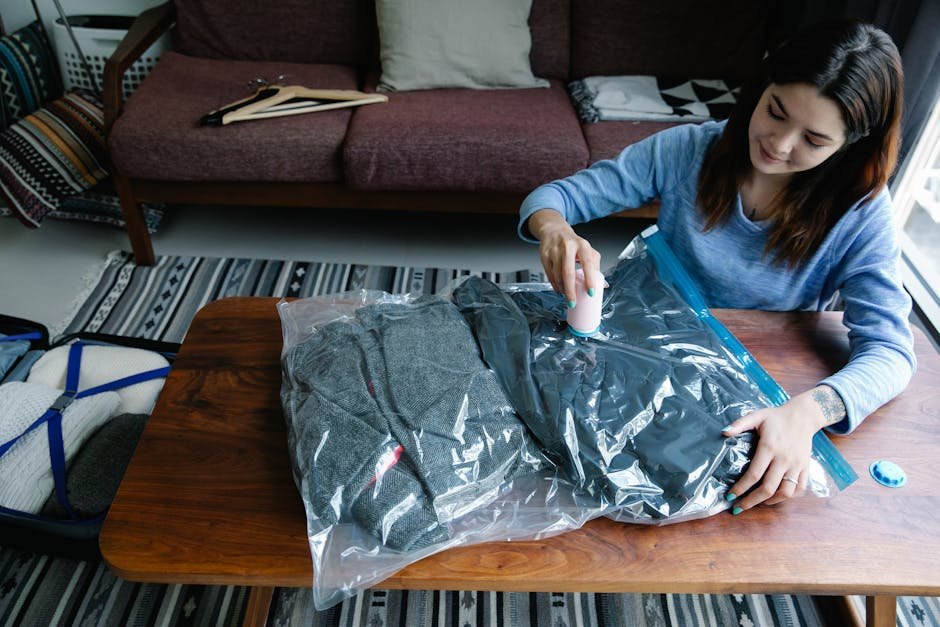
Use packing cubes to organize rolled items by category—tops in one, bottoms in another. This keeps your bag tidy and helps you stick to your planned outfits.
Limit Shoes—They’re Heavy and Bulky
Shoes take up valuable space and add significant weight. Most travelers pack far more than they need. For a week-long trip, two or three pairs are usually enough: one for walking, one for dressier occasions, and one for lounging or sleeping.
Choose lightweight, comfortable shoes that serve multiple purposes. For example, stylish sneakers can work for both sightseeing and casual dinners. Avoid bringing specialty shoes unless absolutely necessary—like hiking boots for a mountain trek.
Wear Your Bulkiest Items
On travel days, wear your heaviest or bulkiest items: boots, jackets, or sweaters. This frees up space in your bag and reduces overall weight.
It’s also a smart move for warmth and comfort during transit. Layering helps regulate body temperature in fluctuating cabin or airport environments.
Downsize Toiletries and Personal Care Items
Toiletries can quickly bloat your bag. Instead of full-size bottles, transfer products into travel-sized containers. Most liquids should be under 3.4 ounces (100ml) to comply with TSA rules for carry-ons.
Many hotels provide shampoo, conditioner, and soap. Check your accommodations in advance. If they offer basics, skip bringing your own.
Use Solid Alternatives
Solid toiletries—like shampoo bars, toothpaste tablets, and deodorant sticks—are compact, leak-proof, and TSA-friendly. They last longer than liquid versions and take up less space.
They’re also eco-friendly, reducing plastic waste. Brands like Lush and Ethique offer high-quality solid options for most personal care needs.
Share with Travel Companions
If you’re traveling with family or friends, share toiletries. One bottle of sunscreen or mouthwash can serve multiple people. Coordinate who brings what to avoid duplicates.
This works especially well for couples or small groups staying in the same accommodations.
Be Smart About Electronics
Electronics are essential but easy to overpack. Bring only what you’ll actually use. For most travelers, that means a phone, charger, and maybe a tablet or e-reader.
Avoid bringing multiple devices “just in case.” A laptop, camera, and tablet may seem necessary, but they add weight and increase the risk of loss or damage.
Use Multi-Purpose Devices
Your smartphone can replace many gadgets: camera, flashlight, alarm clock, GPS, and even a book. Use apps to minimize the need for extra hardware.
If you need a camera, consider a compact point-and-shoot instead of a heavy DSLR unless you’re a professional photographer.
Pack a Universal Adapter
If you’re traveling internationally, bring a universal power adapter. It works in most countries and eliminates the need for multiple plugs.
Look for models with USB ports so you can charge multiple devices at once. Some even include surge protection.
Leave Room for Souvenirs
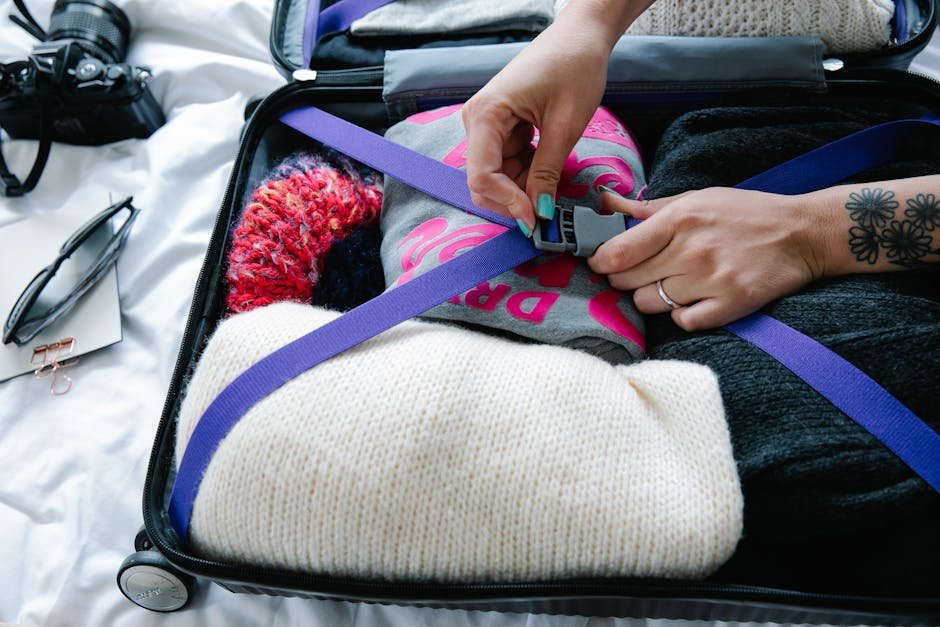
Many travelers forget to reserve space for items they’ll buy during their trip. Overpacking leaves no room for souvenirs, leading to last-minute bag expansions or shipping costs.
Pack with 10–20% of your bag empty. Use compression packing cubes to create extra space when needed. Alternatively, bring a foldable duffel bag for the return trip.
Buy Local, Pack Light
Instead of bringing gifts from home, buy them at your destination. Local markets often have unique, high-quality items that make meaningful souvenirs.
This reduces what you need to pack and supports local artisans. Plus, you’ll have room to bring them back without overstuffing your luggage.
Practice the “One Week Challenge”
Test your packing skills with a one-week challenge: pack for seven days using only a carry-on and personal item. This forces you to be intentional and helps identify what you truly need.
Start small—try it for a weekend trip first. Once you succeed, extend it to longer journeys. You’ll build confidence in your ability to travel light.
Track What You Use (and What You Don’t)
After each trip, note which items you used daily, occasionally, or not at all. Over time, you’ll see patterns—like never wearing that third pair of jeans or forgetting the travel iron.
Use this data to refine future packing lists. The goal is to eliminate guesswork and pack only what serves you.
Avoid Common Overpacking Traps
Even experienced travelers fall into overpacking traps. Being aware of them helps you stay on track.
“Just in Case” Syndrome
It’s tempting to pack items “just in case”—an extra jacket, a formal outfit, a first-aid kit for rare ailments. But most “just in case” items go unused.
Ask yourself: How likely is this scenario? If it’s less than 10%, leave it behind. You can usually buy or borrow what you need at your destination.
Overestimating Laundry Access
Some travelers assume they’ll do laundry daily and pack minimal clothing. But laundry isn’t always convenient or affordable, especially on the go.
Plan for at least one outfit change every two to three days. Bring quick-dry fabrics that can be hand-washed and dried overnight if needed.
Packing for Every Mood
You don’t need a different outfit for every emotion or activity. Stick to versatile pieces that adapt to different settings. A blazer can dress up a casual shirt; sneakers can work for walking and casual dinners.
Focus on function over fashion. You’ll save space and reduce decision fatigue during your trip.
Use Packing Tools to Stay Organized
The right tools make packing easier and more efficient. They help you maximize space and avoid overpacking by keeping everything visible and contained.
Packing Cubes
Packing cubes compress clothing and separate categories. They prevent items from shifting during transit and make unpacking faster.
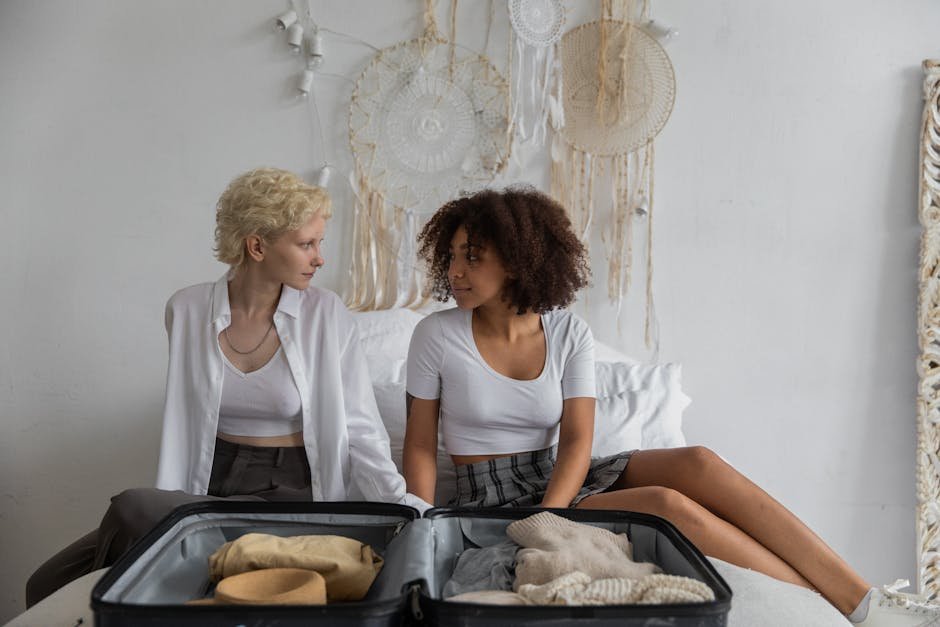
Choose cubes with mesh tops so you can see contents at a glance. Use different sizes for tops, bottoms, underwear, and accessories.
Compression Bags
For bulky items like jackets or sweaters, compression bags reduce volume by up to 50%. They’re ideal for winter travel or extended trips.
Be careful not to over-compress delicate fabrics. Use them for items that can handle pressure, like down jackets or fleece.
Digital Tools and Apps
Apps like PackPoint generate customized packing lists based on your destination, weather, and activities. Others, like TripIt, organize itineraries and remind you of essentials.
Use them to stay on track, but don’t rely on them completely. Always review and adjust lists manually.
Final Tips for Stress-Free Packing
With the right mindset and tools, avoiding overpacking becomes second nature. Here are a few final reminders to keep you on track.
Pack the Night Before
Last-minute packing leads to rushed decisions and overpacking. Set aside time the night before your trip to pack calmly and methodically.
This also gives you time to weigh your bag and make adjustments if needed.
Do a Final Walkthrough
Before zipping your bag, do a final check. Ask: Do I have duplicates? Is anything unnecessary? Can I remove one item without consequence?
Walk through your itinerary mentally. Visualize each day and confirm you have what you need—no more, no less.
Embrace Minimalism
Traveling light isn’t about deprivation—it’s about freedom. Less stuff means more flexibility, easier movement, and fewer worries.
Once you experience the ease of a well-packed bag, you’ll never want to overpack again.
FAQ
How many outfits should I pack for a week-long trip?
For a week, aim for 5–7 outfits depending on your activities and access to laundry. Use the 5-4-3-2-1 rule as a starting point and adjust based on your needs. Mix and match pieces to create multiple looks from fewer items.
Can I really travel with just a carry-on?
Yes—most travelers can comfortably manage a week or more with just a carry-on. It requires planning, versatile clothing, and smart packing techniques. Start with shorter trips to build confidence, then extend to longer journeys.
What should I do if I realize I’ve overpacked at the airport?
If your bag is overweight or too large, remove non-essentials and wear bulky items. Transfer items to your personal bag or ship extras home. Some airports have luggage storage or shipping services for last-minute adjustments.
Related keywords: How to Avoid Overpacking Smart Packing Tips Guide.