

Top Places to Visit in Peru for Cultural Experience
Top Places to Visit in Peru for Cultural Experience
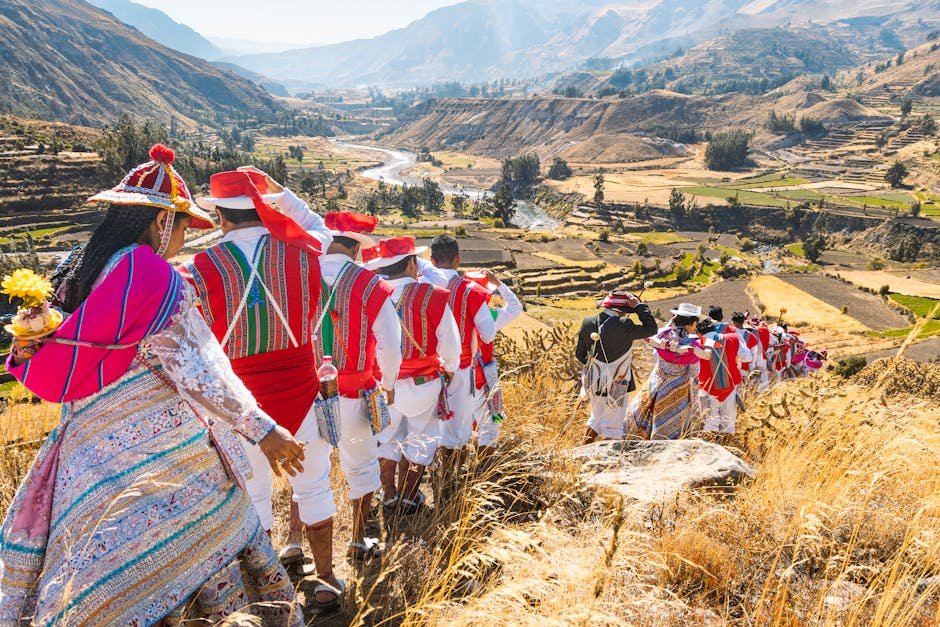
Peru is a living museum of ancient civilizations, colonial heritage, and vibrant living traditions. From the high Andes to the Amazon rainforest, the country offers some of the world’s most immersive cultural experiences. Whether you’re walking through Inca ruins, attending a Quechua festival, or learning ancestral weaving techniques, Peru connects travelers with deep-rooted customs that continue to shape daily life.
This guide highlights the top places to visit in Peru for a rich cultural experience. You’ll discover archaeological wonders, indigenous communities, historic towns, and festivals that reveal the soul of the nation. Each destination offers authentic interactions, educational insights, and opportunities to support local heritage.
Machu Picchu and the Sacred Valley
Machu Picchu is more than an architectural marvel—it’s a symbol of Inca spirituality and engineering. Built in the 15th century and abandoned during the Spanish conquest, this citadel sits at 2,430 meters above sea level in the Andes. Its precise stonework, astronomical alignment, and terraced fields reflect a sophisticated understanding of nature and cosmology.
Visiting Machu Picchu with a local guide enhances the experience. Many guides are from nearby communities and share oral histories passed down through generations. They explain how the site was used for ceremonies, agriculture, and royal retreats. The Inti Raymi festival, held annually in June, reenacts Inca sun worship with music, dance, and traditional dress.
The Inca Trail: A Journey Through Time
The classic Inca Trail trek spans four days and covers 43 kilometers of mountain paths. Along the way, hikers pass through cloud forests, high-altitude passes, and lesser-known ruins like Wiñay Wayna. Each site reveals layers of Inca history, from military outposts to ceremonial centers.
Permits are required and limited to 500 people per day, including guides and porters. Booking at least six months in advance is recommended. Porters are often from rural Quechua-speaking communities and play a vital role in preserving trail traditions. Responsible tourism practices, such as hiring local guides and packing out all trash, help protect the trail for future generations.
Ollantaytambo: Living Inca Heritage
Ollantaytambo is a rare example of an Inca town that still functions as a community. Its cobblestone streets, stone foundations, and terraced hillsides remain intact. The town served as a royal estate for Emperor Pachacuti and later became a stronghold during the Inca resistance against the Spanish.
Visitors can explore the massive temple complex on the hill above town, where massive stone blocks were transported from a quarry across the river. Local artisans sell textiles made with natural dyes and traditional backstrap looms. The town’s Sunday market offers fresh produce, handmade crafts, and a chance to observe daily Quechua life.
Cusco: The Historic Heart of the Inca Empire
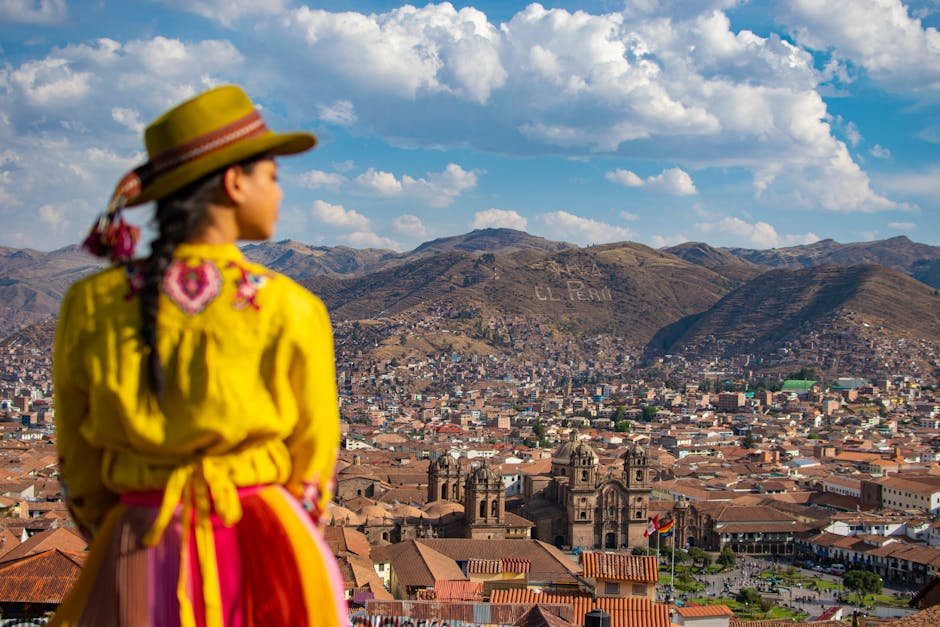
Cusco, once the capital of the Inca Empire, blends indigenous and Spanish colonial influences. Known as the “Archaeological Capital of South America,” the city features Inca walls integrated into colonial churches and homes. The Plaza de Armas, built on the site of the Inca ceremonial center, remains the social and spiritual hub of the city.
The Qorikancha, or Temple of the Sun, exemplifies this fusion. Originally covered in gold and dedicated to Inti, the sun god, it was later converted into the Santo Domingo convent. Today, visitors can see the original stone walls alongside colonial frescoes and artifacts.
San Pedro Market: A Cultural Crossroads
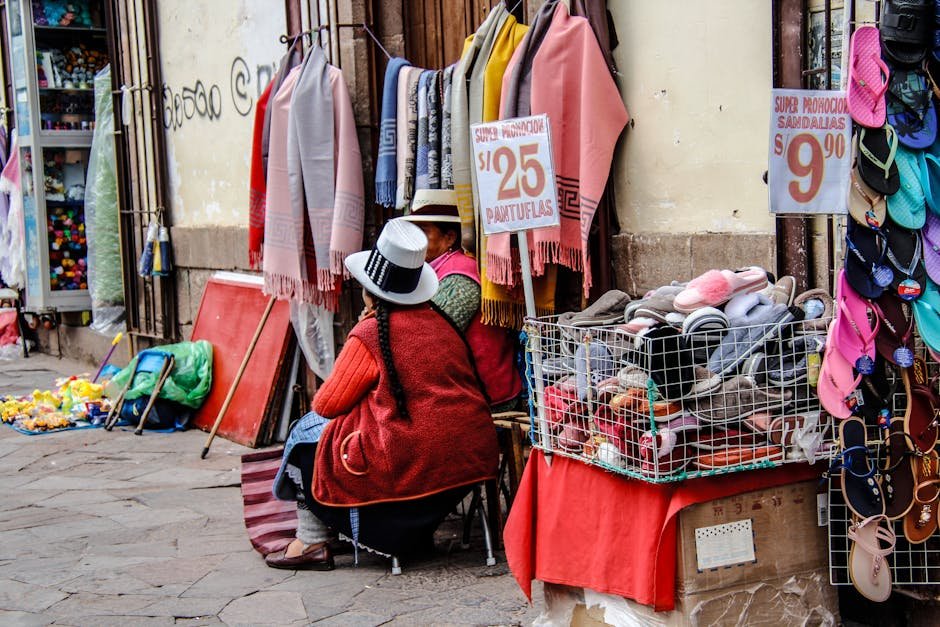
San Pedro Market is Cusco’s largest traditional market and a sensory immersion into Andean life. Vendors sell everything from fresh guinea pig and quinoa to medicinal herbs and handwoven ponchos. The market operates daily, but mornings are busiest and most authentic.
Food stalls offer regional specialties like rocoto relleno (stuffed spicy pepper) and chicha morada (purple corn drink). Many vendors speak Quechua and Spanish, providing a chance to practice basic phrases. Be mindful of pickpockets in crowded areas, and avoid photographing people without permission.
Q’eswachaka Bridge: Ancient Engineering Alive
Each June, communities from four Quechua villages gather to rebuild the Q’eswachaka bridge using traditional Inca techniques. The 28-meter-long grass rope bridge spans the Apurímac River and has been maintained continuously for over 500 years.
The renewal ceremony includes music, dance, and communal labor. Men weave the ropes from ichu grass, while women prepare food and children participate in rituals. UNESCO recognizes the bridge as an Intangible Cultural Heritage of Humanity. Visitors can attend the event, but should follow local customs and avoid disrupting the process.
Arequipa: The White City and Its Cultural Layers
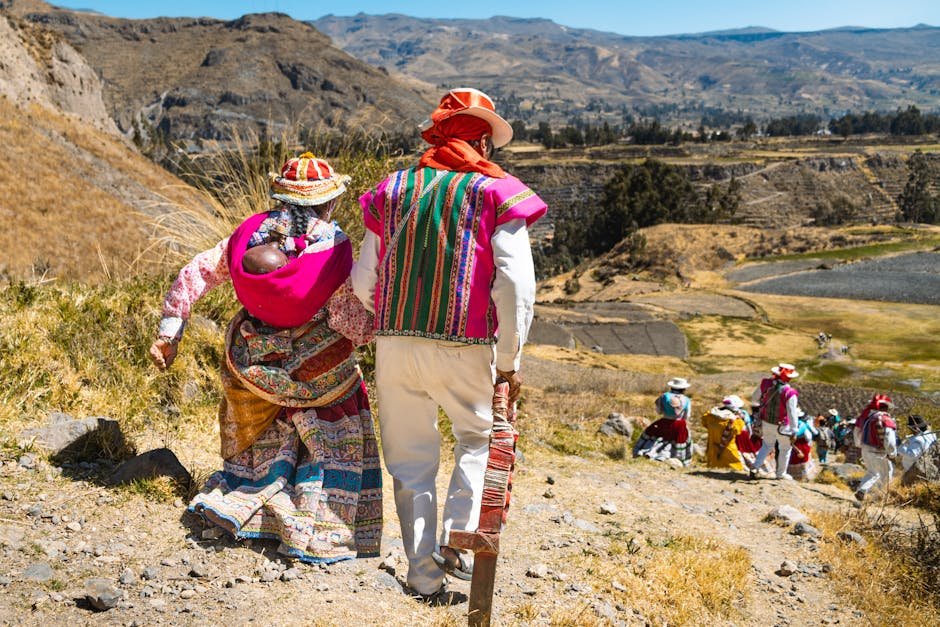
Arequipa, built from white volcanic sillar stone, earned its nickname “La Ciudad Blanca.” Nestled between three volcanoes, the city blends Spanish colonial architecture with indigenous craftsmanship. Its historic center is a UNESCO World Heritage Site, featuring churches, monasteries, and plazas.
The Santa Catalina Monastery, founded in 1580, resembles a miniature city within the city. Its narrow streets, courtyards, and vibrant blue walls offer a glimpse into colonial religious life. The monastery now functions as a museum and cultural space, hosting art exhibitions and concerts.
Yanahuara and Sachaca: Neighborhoods with Soul
Yanahuara, a hillside district, offers panoramic views of Arequipa and the Misti volcano. The iconic arched viewpoint features a chapel with a bronze statue of the Virgin Mary. Locals gather here in the evenings to socialize and enjoy the cool mountain air.
Sachaca, known for its pottery, preserves pre-Columbian ceramic techniques. Artisans shape and fire ceramics using methods passed down through generations. Visitors can tour workshops, try their hand at pottery, and purchase unique souvenirs. Supporting these artisans helps sustain traditional crafts.
Festival de la Virgen de Chapi
Every May, Arequipa celebrates the Festival de la Virgen de Chapi, one of the region’s most important religious events. Thousands of devotees walk 12 kilometers from the city to the sanctuary in Tingo, carrying candles and offerings.
The festival blends Catholic and Andean beliefs, reflecting syncretism common in Peruvian culture. Music, dance, and traditional food fill the streets. Visitors are welcome to observe, but should dress modestly and follow local etiquette.
Puno and Lake Titicaca: The Cradle of Andean Culture
Lake Titicaca, the highest navigable lake in the world at 3,812 meters, is steeped in myth and tradition. According to Inca legend, the first Inca emperor, Manco Cápac, emerged from its waters. The lake is home to the Uros people, who live on floating islands made of totora reeds.
Visitors can take boat tours to the Uros islands, where families demonstrate reed construction, fishing, and traditional music. Many Uros speak their native language, Urus, alongside Spanish and Aymara. Homestays offer deeper cultural exchange, including shared meals and storytelling.
Taquile and Amantani Islands: Textile Traditions
Taquile Island is renowned for its intricate textiles, recognized by UNESCO as a Masterpiece of the Oral and Intangible Heritage of Humanity. Men weave belts and hats, while women knit colorful skirts and bags. Each pattern tells a story of identity, community, and cosmology.
Amantani Island offers a quieter experience, with opportunities to hike to pre-Inca ruins and participate in community-led tours. Visitors often stay with local families, sharing meals of quinoa soup, potatoes, and trout. These experiences foster mutual understanding and support sustainable tourism.
Puno’s Virgen de la Candelaria Festival
Held every February, the Virgen de la Candelaria Festival is one of Peru’s most vibrant celebrations. Over 3,000 dancers in elaborate costumes perform traditional dances like the Diablada and Morenada. The festival honors the Virgin Mary while celebrating Andean and Afro-Peruvian heritage.
Rehearsals begin months in advance, with communities competing in dance categories. The event draws thousands of visitors, so accommodations book up quickly. Arrive early to secure a good viewing spot, and respect photography guidelines to avoid offending performers.
Lima: Coastal Culture and Culinary Heritage
Lima, the capital, is often overlooked by travelers rushing to the Andes, but it holds deep cultural significance. As the seat of the Spanish viceroyalty, it shaped much of colonial South America. Today, it blends indigenous, African, Chinese, and European influences into a dynamic urban culture.
The historic center, a UNESCO site, features the Plaza Mayor, Government Palace, and Cathedral of Lima. The nearby San Francisco Monastery houses a catacomb with over 25,000 remains, reflecting colonial-era burial practices.
Barranco: Bohemian Heart of Lima
Barranco, a coastal district, is known for its art galleries, cafes, and cliffside views. Once a retreat for poets and artists, it remains a cultural hub. The Puente de los Suspiros (Bridge of Sighs) is a popular spot for couples and photographers.
Local musicians often perform in plazas, blending criollo music with Afro-Peruvian rhythms. The district hosts the annual Festival de la Primavera, featuring live music, food stalls, and street art. Visitors can explore independent bookstores and support local creatives.
Lima’s Culinary Scene: A Cultural Journey
Peruvian cuisine is a UNESCO-recognized intangible cultural heritage. Lima is its epicenter, with dishes like ceviche, lomo saltado, and anticuchos reflecting centuries of fusion. Ceviche, made with fresh fish, lime, and chili, originated in coastal communities and evolved with Japanese and Chinese techniques.
Food tours and cooking classes offer hands-on learning. Markets like Mercado de Surquillo showcase regional ingredients, from Amazonian fruits to highland tubers. Many restaurants source from local farmers, supporting sustainable agriculture and food sovereignty.
Amazon Rainforest: Indigenous Cultures of the Lowlands
The Peruvian Amazon, covering over 60% of the country, is home to dozens of indigenous groups. These communities maintain deep connections to the forest, relying on it for food, medicine, and spiritual practices. Visiting the Amazon offers a rare glimpse into alternative ways of life.
Iquitos, the largest city inaccessible by road, serves as a gateway to the northern Amazon. Riverboats travel to remote villages where visitors can learn about shamanism, medicinal plants, and sustainable fishing. The Bora and Yagua people welcome respectful travelers for cultural exchanges.
Reserva Nacional Pacaya-Samiria: Wildlife and Culture
This vast protected area is one of the most biodiverse places on Earth. Indigenous communities live in harmony with the flooded forests, using traditional canoes and fishing methods. Guided tours emphasize conservation and cultural sensitivity.
Visitors may witness pink river dolphins, giant otters, and hundreds of bird species. Local guides share stories of forest spirits and ancestral knowledge. Overnight stays in eco-lodges support community-based tourism and minimize environmental impact.
Pucallpa and the Shipibo-Conibo People
The Shipibo-Conibo are known for their intricate geometric art and ayahuasca ceremonies. Their designs, painted on pottery and textiles, are believed to reflect the patterns of the universe. Many artisans sell directly to visitors, ensuring fair compensation.
Ayahuasca retreats are increasingly popular, but they require careful consideration. These ceremonies involve powerful plant medicine and should only be undertaken with experienced, ethical facilitators. Research providers thoroughly and prioritize safety and cultural respect.
Chinchero and the Andean Textile Tradition
Chinchero, a highland village near Cusco, is a center for traditional weaving. The community has preserved techniques dating back to the Inca, using natural dyes from plants, minerals, and insects. Alpaca and sheep wool are spun by hand and woven on backstrap looms.
The Sunday market in Chinchero is smaller and more authentic than Cusco’s. Locals gather to trade goods, socialize, and perform traditional dances. Visitors can observe weavers at work and purchase directly from artisans. Workshops offer hands-on lessons in dyeing and weaving.
Supporting these artisans helps preserve a vanishing craft. Mass-produced imitations are common in tourist shops, so look for items labeled with the weaver’s name or community. Fair trade cooperatives ensure artisans receive fair wages and recognition.
Choquequirao: The Other Machu Picchu
Often called the “sister city” of Machu Picchu, Choquequirao is a remote Inca site accessible only by a challenging trek. Located in the Vilcabamba range, it receives a fraction of the visitors, offering a more solitary and immersive experience.
The site features terraces, plazas, and ceremonial structures similar to Machu Picchu, but with a wilder, more rugged feel. The journey takes five to six days round-trip, passing through diverse ecosystems from cloud forest to high puna.
Due to its isolation, Choquequirao remains less commercialized. Local guides from nearby communities provide invaluable knowledge of the trail and history. The site is managed by the Peruvian government, with plans for limited infrastructure to protect its integrity.
Tips for a Respectful Cultural Experience
Engaging with Peruvian culture requires awareness and respect. Always ask before photographing people, especially in rural areas. Learn a few basic phrases in Spanish or Quechua, such as “gracias” (thank you) or “allillanchu” (hello).
Dress modestly when visiting religious sites or indigenous communities. Remove hats and sunglasses when entering churches or homes. Support local economies by buying directly from artisans and eating at family-run restaurants.
Avoid touching archaeological ruins or removing stones. These sites are sacred and protected by law. Follow the guidance of local guides and community leaders to ensure your visit is positive and sustainable.
When to Visit for Cultural Events
Peru’s cultural calendar is rich with festivals and ceremonies. The best time to visit depends on your interests. June and July are ideal for Andean festivals like Inti Raymi and Virgen de la Candelaria. February offers the vibrant celebrations in Puno.
Shoulder seasons (April–May and September–October) offer fewer crowds and pleasant weather. The rainy season (November–March) can make highland travel difficult, but the Amazon is more accessible. Plan ahead, as accommodations fill quickly during major events.
Final Thoughts
Peru’s cultural landscape is as diverse as its geography. From the ancient stones of Machu Picchu to the living traditions of Amazonian villages, every region offers unique insights into human creativity and resilience. Traveling with curiosity and respect allows for deeper connections and meaningful experiences.
Whether you’re exploring colonial churches, learning to weave, or sharing a meal with a local family, Peru invites you to engage with its past and present. These top places to visit in Peru for cultural experience provide not just sights, but stories that stay with you long after you return home.
FAQ
What is the best time of year to experience Peruvian culture?
The best time depends on the region and events. June to August offers major festivals like Inti Raymi, while February features Puno’s Virgen de la Candelaria. Shoulder seasons provide fewer crowds and good weather.
How can I support local communities while traveling in Peru?
Buy directly from artisans, eat at family-run restaurants, hire local guides, and choose community-based tourism initiatives. Avoid mass-produced souvenirs and respect cultural norms.
Is it safe to visit indigenous communities in Peru?
Yes, when done responsibly. Always travel with reputable guides or tour operators, follow local customs, and obtain permission before photographing people. Prioritize ethical and sustainable tourism practices.