

Best Travel Destinations in Chile for Adventure Trip
Best Travel Destinations in Chile for Adventure Trip
Chile is a playground for adventurers, stretching over 4,300 kilometers from the Atacama Desert in the north to the glacial fjords of Patagonia in the south. Whether you’re into hiking, climbing, kayaking, or wildlife spotting, the country offers some of the most diverse and dramatic landscapes on Earth. From high-altitude salt flats to ancient forests and volcanic peaks, Chile delivers unforgettable outdoor experiences. This guide highlights the best travel destinations in Chile for adventure trips, helping you plan an active journey that matches your thrill level and interests.
Why Chile Is a Top Choice for Adventure Travel
Chile’s geography is uniquely linear, bordered by the Andes Mountains to the east and the Pacific Ocean to the west. This creates a natural corridor of ecosystems, each offering distinct adventure opportunities. The country’s well-developed outdoor infrastructure—marked by national parks, guided tours, and reliable transport—makes it accessible for both solo travelers and groups.
Unlike more commercialized destinations, many Chilean adventure zones remain off the beaten path. You’ll find fewer crowds and more authentic interactions with local culture, especially in rural areas. Safety standards are high, and English is commonly spoken in tourist hubs, easing navigation for international visitors.
Top Adventure Destinations in Chile
1. Torres del Paine National Park (Patagonia)
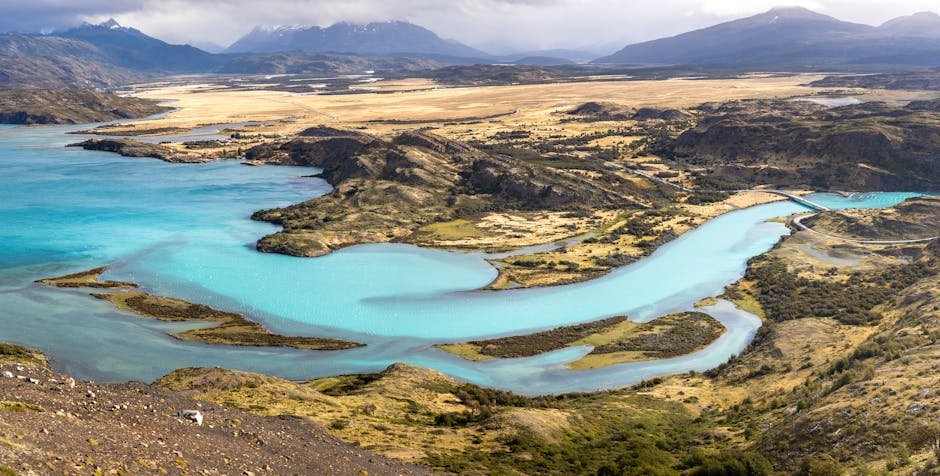
Torres del Paine is Chile’s most iconic adventure destination, drawing hikers, climbers, and photographers from around the world. The park’s centerpiece—the three granite towers rising over 2,500 meters—is a magnet for trekkers seeking a challenge.
The W Trek and the full Circuit Trek are the two main hiking routes. The W Trek spans about 71 kilometers over five to seven days, passing glacial lakes, roaring rivers, and the famous Base of the Towers viewpoint. The Circuit adds another week, looping around the entire massif for a deeper wilderness experience.
Wildlife sightings are common: guanacos, foxes, and the elusive puma roam the grasslands. Weather is unpredictable—strong winds and sudden rainstorms are typical, even in summer. Pack layers, waterproof gear, and a reliable tent if camping.
2. Atacama Desert (San Pedro de Atacama)
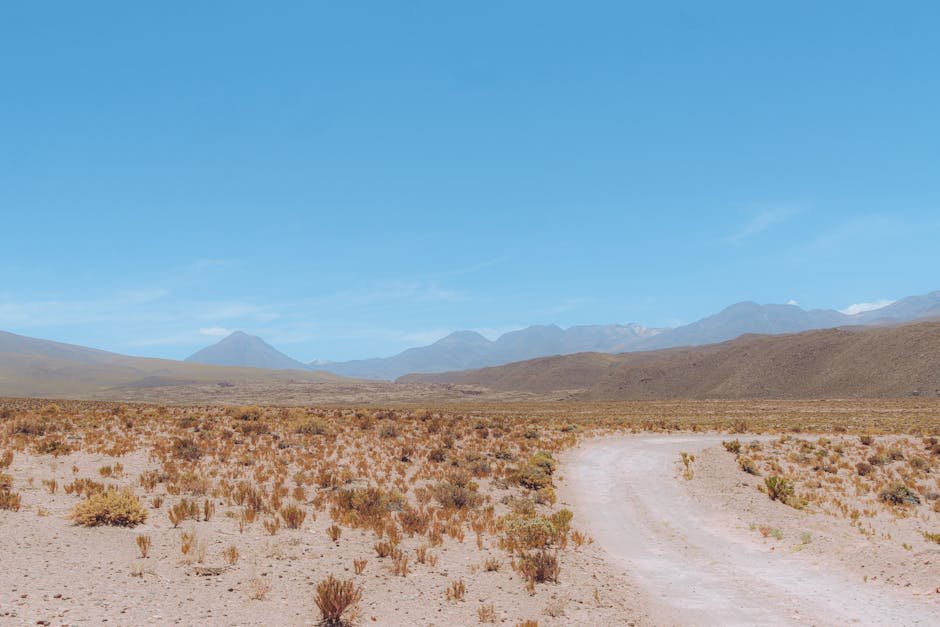
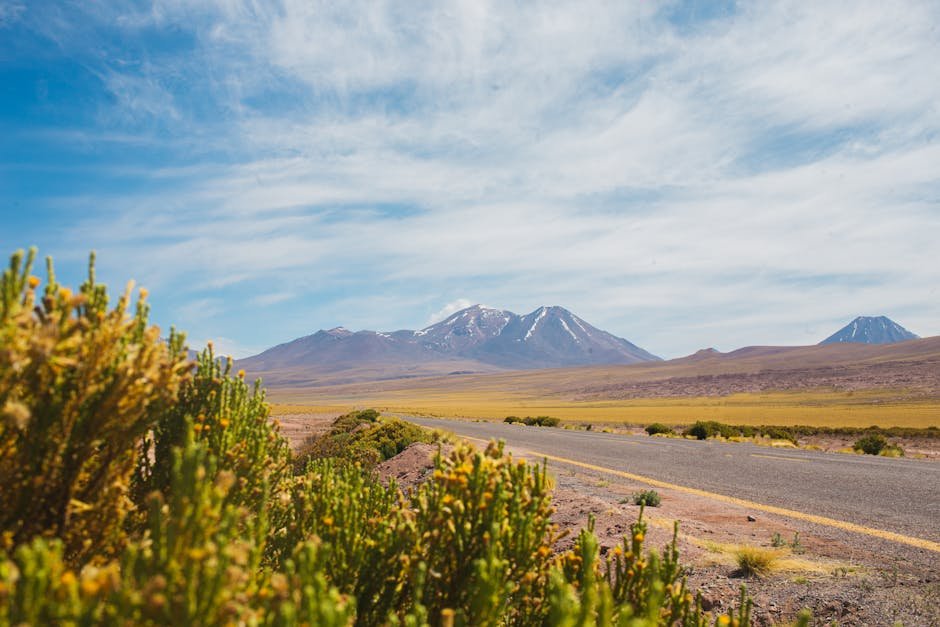
The Atacama Desert is the driest non-polar desert on Earth, offering surreal landscapes and high-altitude adventures. Located in northern Chile, San Pedro de Atacama serves as the gateway to geysers, salt flats, and lunar-like valleys.
One of the most popular excursions is the El Tatio Geysers tour, best visited at sunrise. At over 4,300 meters above sea level, the geothermal field erupts with boiling water and steam against a backdrop of snow-capped volcanoes. Altitude sickness is a real concern—acclimatize for a day before strenuous activities.
Other highlights include the Moon Valley (Valle de la Luna), where wind and water have carved otherworldly rock formations, and the Altiplanic Lagoons, home to flamingos and vicuñas. Mountain biking and sandboarding on nearby dunes add adrenaline-pumping options.
3. Carretera Austral (Southern Chile)
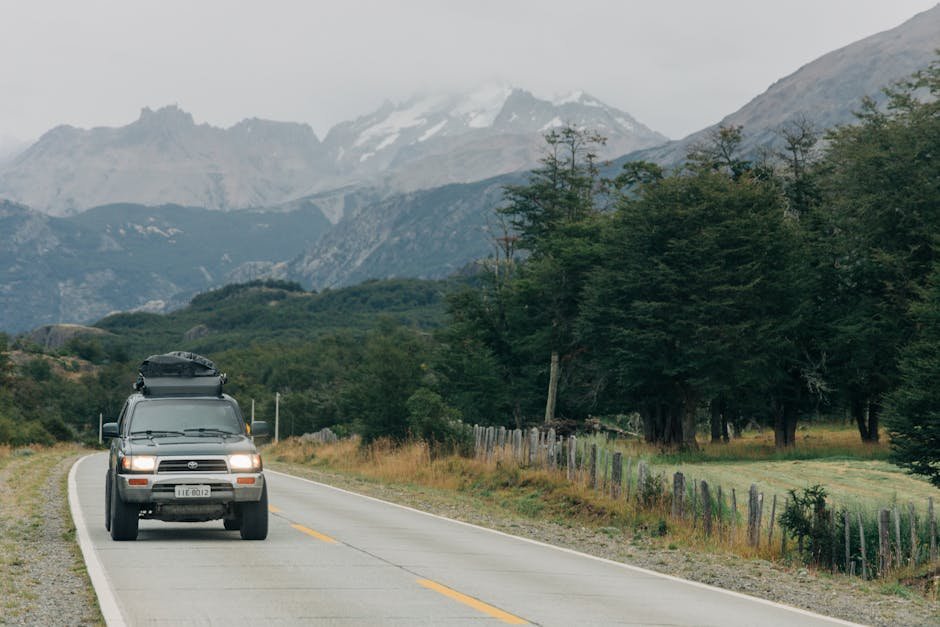
The Carretera Austral is a 1,240-kilometer highway that cuts through Chile’s remote southern region, connecting small towns and pristine wilderness. This is ideal for road-trippers who want to combine driving with outdoor activities.
Stop in Puyuhuapi to kayak among fjords and spot dolphins and sea lions. In Queulat National Park, hike to the hanging glacier, where ice calves into a turquoise lake below. The area is also rich in indigenous history, with opportunities to learn about the local Chonos and Mapuche cultures.
Accommodations range from rustic cabins to eco-lodges. Fuel stations are sparse, so plan refueling stops carefully. The road is mostly gravel—rent a 4×4 vehicle for better handling.
4. Villarrica and the Lake District
The Chilean Lake District, centered around Pucón and Villarrica, blends volcanic landscapes with lush forests and glacial lakes. Villarrica Volcano is one of the country’s most active, and guided summit hikes are available during stable weather windows.
Climbing the volcano involves a steep ascent over loose scoria and snowfields, requiring crampons and an ice axe. The reward is a panoramic view of the surrounding lakes and distant Andes. For a less intense option, soak in natural hot springs fed by volcanic activity.
Adventure seekers can also go white-water rafting on the Trancura River, zip-line through native forests, or bike the slopes of nearby Huerquehue National Park. The region is well-served by tour operators offering multi-activity packages.
5. Easter Island (Rapa Nui)
Though remote—over 3,700 kilometers off Chile’s coast—Easter Island offers a unique blend of cultural and physical adventure. The island is famous for its moai statues, but it also features rugged coastlines, volcanic craters, and coral reefs.
Hiking trails lead to sites like Rano Kau and Orongo, where you can explore ceremonial villages and learn about Polynesian heritage. Snorkeling and scuba diving reveal vibrant marine life, including parrotfish, moray eels, and reef sharks.
Surfing is popular on the north coast, particularly at Anakena Beach. Rent a scooter or bike to cover more ground—the island is compact but spread out. Flights from Santiago take about five hours, so plan for at least four days to do it justice.
6. Cajón del Maipo and the Andes
Just 60 kilometers southeast of Santiago, Cajón del Maipo is a high-altitude oasis perfect for day trips or weekend adventures. At 2,500 meters, the area features a glacial lake, hot springs, and access to mountain trails.
Hiking routes range from easy lakeside walks to challenging climbs up Cerro El Planchado. In winter, the area transforms into a ski destination with a small resort offering slopes for beginners and intermediates.
The hot springs are a great way to relax after a long hike. Facilities are basic but clean, and the views of the surrounding peaks are stunning. Due to its proximity to the capital, it’s best visited midweek to avoid crowds.
7. Chiloé Island
Chiloé Island, off Chile’s Pacific coast, is a world apart from the mainland. Known for its wooden churches, colorful palafitos (stilt houses), and mythical folklore, it’s also a haven for outdoor enthusiasts.
Hiking trails wind through temperate rainforests, coastal bluffs, and peat bogs. The Tepuhueico Trail offers a multi-day trek through remote areas with minimal infrastructure. Kayaking around the island’s islets provides close encounters with sea lions and marine birds.
Surfing is strong on the west coast, particularly at Cucao and Mar Brava. The island’s isolation means fewer tourists, but also limited services—pack essentials and book accommodations in advance.
Best Time to Visit Chile for Adventure
Chile’s long north-south axis means climate varies dramatically by region. The best time for adventure travel depends on where you’re going.
In Patagonia (Torres del Paine), the summer months of December to February offer long daylight hours and milder weather. However, this is also peak season—book accommodations and permits early.
The Atacama Desert is accessible year-round, but winter (June to August) brings colder nights and occasional snow at higher elevations. Spring (September to November) offers clear skies and comfortable daytime temperatures.
The Lake District and Carretera Austral are best visited from October to April, when roads are clear and trails are dry. Winter brings snow and closures in higher areas.
Essential Tips for Adventure Travel in Chile
Always check trail conditions and weather forecasts before heading out. Many national parks require permits, especially for multi-day treks. Torres del Paine, for example, limits the number of hikers on the Circuit Trek—reserve spots months in advance.
Pack for rapid weather changes. Layers, a waterproof jacket, and sturdy footwear are non-negotiable, even in summer. Sun protection is critical—UV levels are high, especially at altitude.
Respect local regulations and Leave No Trace principles. Many areas are protected or sacred to indigenous communities. Avoid littering, stay on marked trails, and do not disturb wildlife.
How to Get Around
Domestic flights connect major cities like Santiago, Punta Arenas, and Calama. For remote areas like the Carretera Austral or Chiloé, buses are reliable and affordable, though schedules may be limited.
Renting a car gives you flexibility, especially on the Carretera Austral. Choose a 4×4 for gravel roads and mountain passes. Fuel up whenever possible—stations can be over 100 kilometers apart.
For island destinations like Easter Island or Chiloé, ferries and flights are the main options. Book early during high season.
Where to Stay
Chile offers a range of accommodations, from luxury eco-lodges to budget hostels and campsites. In Torres del Paine, refugios (mountain huts) provide basic shelter and meals—reserve ahead. Glamping options are available for those who want comfort in the wild.
In San Pedro de Atacama, guesthouses and boutique hotels cater to adventure travelers. Many include breakfast and tour bookings. In rural areas, homestays offer a chance to experience local life.
Always confirm amenities—Wi-Fi, hot water, and heating may be limited in remote locations.
Safety and Health Considerations
Chile is generally safe for travelers, but take standard precautions. Keep valuables secure, especially in crowded areas like Santiago’s metro. Avoid isolated trails at night.
Altitude sickness can affect visitors in the Andes and Atacama. Symptoms include headache, nausea, and dizziness. Drink plenty of water, avoid alcohol, and descend if symptoms worsen.
Tap water is safe to drink in most cities, but use bottled water in rural areas. Carry a basic first-aid kit and know the location of the nearest clinic.
Final Thoughts
Chile’s diverse landscapes make it one of the world’s premier destinations for adventure travel. Whether you’re scaling volcanoes, trekking through Patagonian wilderness, or kayaking remote fjords, the country offers experiences that are as challenging as they are rewarding.
With proper planning, respect for nature, and the right gear, your adventure trip to Chile can be both safe and unforgettable. Start with one region, or string together multiple destinations for a cross-country journey that showcases the best of what Chile has to offer.
FAQ
What is the best time of year to visit Chile for adventure travel?
The ideal time depends on the region. Patagonia is best from December to February, while the Atacama Desert is accessible year-round. The Lake District and Carretera Austral are optimal from October to April.
Do I need a guide for hiking in Torres del Paine?
A guide is not required for the W Trek or Circuit Trek, but hiring one enhances safety and provides valuable local knowledge. Independent hikers must register and carry all necessary gear.
Is Chile safe for solo adventure travelers?
Yes, Chile is considered safe for solo travelers. Stick to well-marked trails, avoid remote areas at night, and inform someone of your itinerary. Many tour operators offer small-group adventures for solo participants.