

Best Outdoor Activities for Summer Adventure Trips
Best Outdoor Activities for Summer Adventure Trips
Summer is the perfect season to get outside and explore. Whether you’re planning a weekend getaway or a multi-day expedition, choosing the right outdoor activities can make all the difference. The best outdoor activities for summer adventure trips balance excitement, accessibility, and safety—offering memorable experiences without unnecessary risk. From mountain trails to coastal waters, there’s something for every adventurer. This guide highlights top summer activities, practical tips, and essential considerations to help you plan a trip that’s both thrilling and rewarding.
Why Summer Is Ideal for Outdoor Adventure
Longer days, warmer temperatures, and stable weather create ideal conditions for outdoor exploration. Trails are clear, water levels are manageable, and wildlife is active—making summer a prime time for adventure. Unlike other seasons, summer offers extended daylight hours, giving you more time to hike, paddle, or climb. However, it also brings challenges like heat exposure and crowded destinations. Planning ahead ensures you make the most of the season while staying safe and comfortable.
Extended Daylight and Accessibility
With up to 16 hours of daylight in some regions, summer allows for longer excursions and flexible scheduling. Popular trails and parks are fully accessible, and many outfitters offer guided tours and equipment rentals. This accessibility makes it easier for beginners to join in without extensive preparation. Still, early starts are recommended to avoid midday heat and afternoon thunderstorms common in mountainous areas.
Seasonal Wildlife and Natural Beauty
Summer brings blooming wildflowers, active birdlife, and vibrant greenery. In national parks like Yellowstone or the Great Smoky Mountains, wildlife sightings—such as elk, bears, and migratory birds—are more frequent. Coastal regions offer clear waters for snorkeling and marine life viewing. These natural highlights enhance the adventure experience, turning a simple hike into a multisensory journey.
Top Outdoor Activities for Summer Adventure Trips
Choosing the right activity depends on your fitness level, location, and interests. Below are some of the most rewarding summer adventures, each offering unique benefits and experiences. Whether you prefer solitude in the wilderness or group-based challenges, these options provide a solid foundation for planning.
Backpacking and Multi-Day Hiking
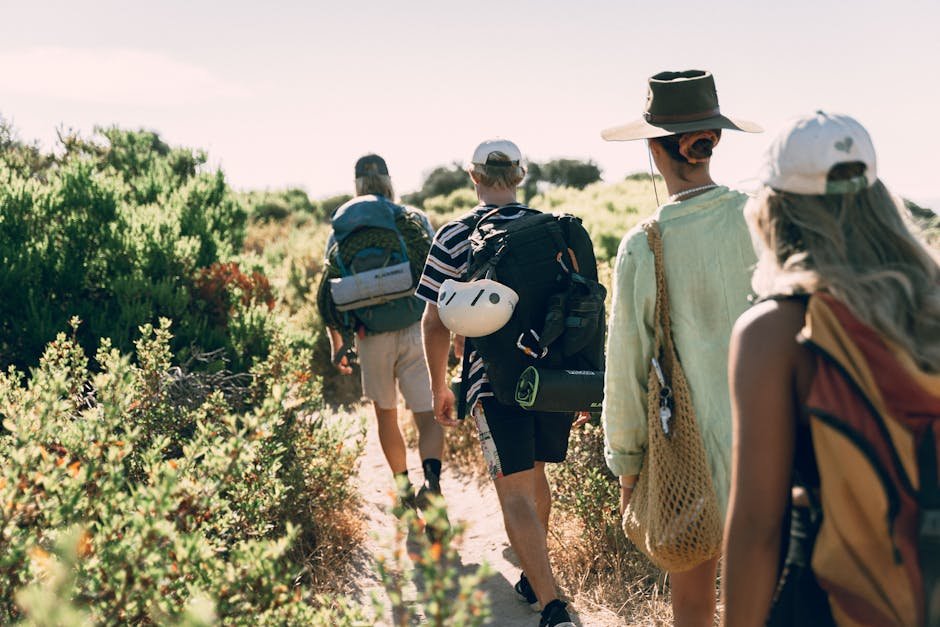
Backpacking combines physical challenge with immersive nature exposure. Trails like the Appalachian Trail or the John Muir Trail offer well-marked routes with established campsites. A typical 3–5 day trip covers 40–60 miles, depending on terrain and pace. Proper gear—including a lightweight tent, sleeping bag, and water filtration system—is essential. Always check trail conditions and obtain necessary permits in advance.
Whitewater Rafting and Kayaking
For adrenaline seekers, whitewater rafting on rivers like the Colorado or Gauley offers thrilling rapids and scenic canyon views. Kayaking, whether in calm lakes or coastal inlets, provides a quieter alternative with excellent workout benefits. Beginners should start with guided tours on Class I–II rapids. Always wear a life jacket and learn basic rescue techniques before heading out.
Rock Climbing and Bouldering
Summer’s dry conditions make it ideal for climbing. Popular destinations include Yosemite, Joshua Tree, and the Red River Gorge. Sport climbing uses pre-placed bolts for safety, while trad climbing requires carrying and placing gear. Bouldering, which involves shorter climbs without ropes, is great for beginners and can be done in urban areas like Bishop, California. Always climb with a partner and use a crash pad for bouldering.
Mountain Biking on Scenic Trails
Mountain biking offers a fast-paced way to cover varied terrain. Trails range from smooth, flowing paths to technical, rocky descents. Moab, Utah, and Crested Butte, Colorado, are renowned for their extensive trail networks. A full-suspension bike is recommended for rough terrain, while hardtails work well on smoother routes. Wear a helmet and carry a repair kit for flats or chain issues.
Stand-Up Paddleboarding (SUP)
SUP is a low-impact activity suitable for lakes, rivers, and calm coastal waters. It improves balance and core strength while offering peaceful views of shorelines and wildlife. Popular spots include Lake Tahoe, the Florida Keys, and the San Juan Islands. Beginners should start on flat water and avoid windy conditions. A leash and personal flotation device are mandatory for safety.
Camping Under the Stars
Overnight camping is a cornerstone of summer adventure. Whether in a developed campground or a backcountry site, sleeping outdoors enhances the sense of escape. Choose a lightweight tent, sleeping pad, and weather-appropriate clothing. Practice Leave No Trace principles: pack out all trash, minimize campfire impact, and respect wildlife. Reserve campsites early, especially in national parks.
Wildlife Watching and Nature Photography
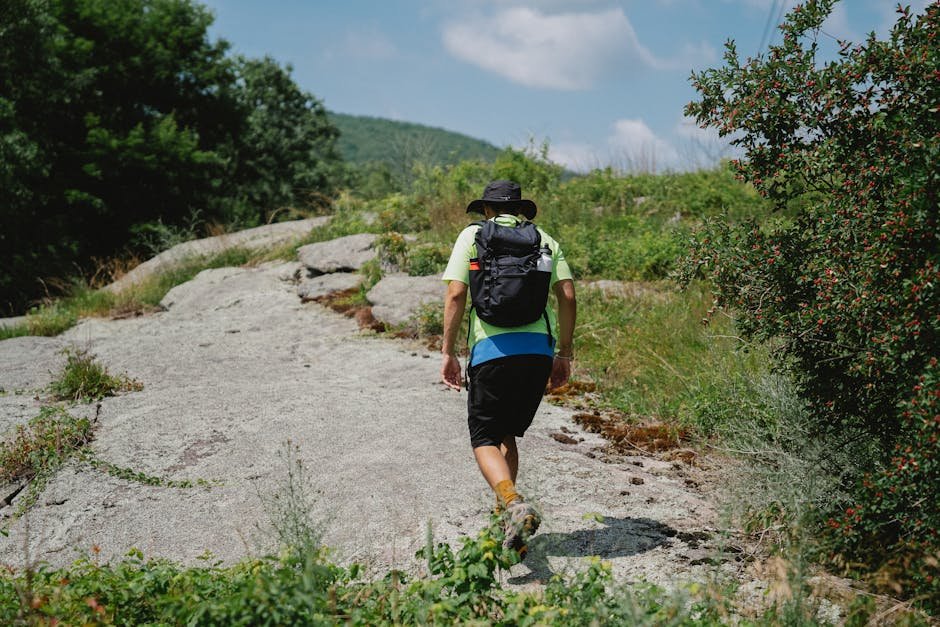
Summer is peak season for observing animals in their natural habitats. Early mornings and dusk offer the best chances for sightings. Bring binoculars and a telephoto lens for photography. Avoid disturbing animals—maintain a safe distance and never feed wildlife. National parks and wildlife refuges often offer guided tours led by naturalists.
Via Ferrata and Guided Climbing Routes
Via ferrata (Italian for “iron path”) routes use fixed cables, ladders, and bridges to help climbers traverse steep terrain safely. Found in places like Telluride, Colorado, and the Dolomites in Italy, these routes offer mountain views without advanced climbing skills. A harness, helmet, and via ferrata kit are required. Guided tours are recommended for first-timers.
Essential Gear and Preparation Tips
Proper preparation prevents problems and enhances enjoyment. Gear selection, physical conditioning, and route planning are all critical components of a successful trip. Investing in quality equipment and practicing skills beforehand can mean the difference between a great adventure and a frustrating one.
Clothing and Footwear
Choose moisture-wicking, quick-drying fabrics for base layers. Avoid cotton, which retains sweat and increases chill risk. A lightweight rain jacket and sun hat are must-haves. Footwear should match the activity: trail runners for hiking, approach shoes for scrambling, and water shoes for river crossings. Break in new boots before long trips to prevent blisters.
Navigation Tools
Even on marked trails, it’s easy to get disoriented. Carry a physical map and compass, and know how to use them. GPS devices and smartphone apps like Gaia GPS or AllTrails are helpful but should not replace traditional navigation. Download offline maps in case of poor signal. Always inform someone of your route and expected return time.
Hydration and Nutrition
Dehydration is a serious risk in summer heat. Carry at least 2–3 liters of water per person per day, more in arid regions. Use a hydration bladder or water bottles with a filtration system to refill from natural sources. Pack high-energy snacks like nuts, dried fruit, and energy bars. Electrolyte tablets help replace lost salts during long exertions.
Safety and Emergency Preparedness
Carry a basic first aid kit, fire starter, and emergency shelter. A whistle and signal mirror can aid rescue efforts. Learn basic wilderness first aid, including how to treat heat exhaustion, sprains, and insect stings. Check weather forecasts daily and be prepared to turn back if conditions deteriorate. In remote areas, consider a satellite communicator like a Garmin inReach.
Choosing the Right Destination
Location plays a major role in the success of your trip. Consider distance, elevation, climate, and crowd levels. Some destinations offer a mix of activities, while others specialize in one type of adventure. Research permits, regulations, and seasonal closures before you go.
National Parks and Public Lands
U.S. national parks like Zion, Glacier, and Acadia offer well-maintained trails, visitor centers, and ranger programs. These areas are ideal for first-time adventurers. However, they can be crowded in summer. Arrive early or visit less popular sections for a quieter experience. Always follow park rules to protect fragile ecosystems.
State Parks and Forest Service Areas
State parks often provide similar scenery with fewer crowds and lower fees. Examples include Hocking Hills in Ohio and Smith Rock in Oregon. U.S. Forest Service lands allow dispersed camping and off-trail exploration in many areas. These locations are great for those seeking solitude and flexibility.
International Adventure Destinations
For experienced travelers, international trips offer unique landscapes and cultural experiences. Consider Patagonia for trekking, New Zealand for multi-sport adventures, or the Canadian Rockies for alpine climbing. Research visa requirements, local customs, and seasonal weather patterns. Travel insurance is strongly recommended.
Group vs. Solo Adventures: What to Consider
Deciding whether to travel alone or with others affects planning, safety, and cost. Each option has advantages and drawbacks. Your choice should align with your experience level and comfort zone.
Benefits of Group Trips
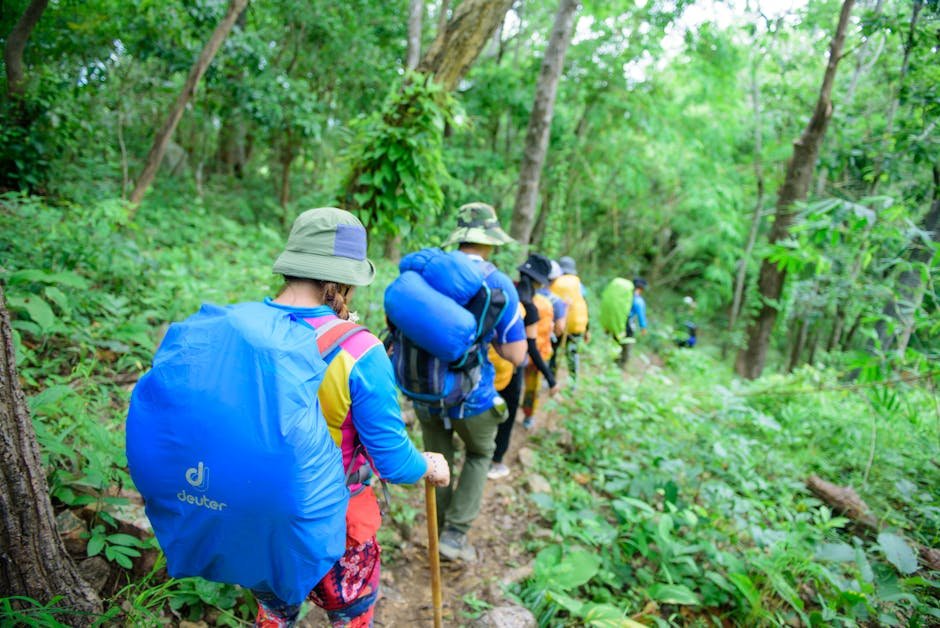
Groups provide built-in safety, shared costs, and social motivation. Guided tours are ideal for beginners or those exploring unfamiliar terrain. Group members can assist in emergencies and help carry shared gear. However, coordination and differing fitness levels can slow progress. Choose compatible companions and establish clear expectations beforehand.
Advantages of Solo Travel
Solo trips offer complete freedom in pace and route selection. They encourage self-reliance and personal growth. However, they require greater preparation and risk awareness. Always leave a detailed itinerary with a trusted contact. Carry a personal locator beacon if traveling in remote areas. Avoid risky situations and trust your instincts.
Environmental Responsibility and Leave No Trace
Preserving natural spaces ensures they remain accessible and beautiful for future generations. Adhering to Leave No Trace principles is a core responsibility for all outdoor enthusiasts. These guidelines minimize human impact and promote sustainable recreation.
Seven Principles of Leave No Trace
1. Plan ahead and prepare – Research regulations, weather, and necessary gear.
2. Travel and camp on durable surfaces – Stay on trails and use established campsites.
3. Dispose of waste properly – Pack out all trash, including food scraps and toilet paper.
4. Leave what you find – Avoid picking plants or disturbing artifacts.
5. Minimize campfire impact – Use a camp stove instead of open fires when possible.
6. Respect wildlife – Observe from a distance and store food securely.
7. Be considerate of other visitors – Keep noise low and yield on trails.
Sustainable Gear Choices
Choose durable, repairable equipment over disposable alternatives. Support brands that prioritize sustainability and ethical manufacturing. Rent or borrow gear when possible to reduce consumption. Proper maintenance extends gear life and reduces waste.
Weather and Seasonal Considerations
Summer weather varies widely by region. Understanding local patterns helps you prepare and avoid dangerous conditions. Heat, thunderstorms, and wildfires are common summer hazards in many areas.
Heat and Sun Exposure
High temperatures increase the risk of heat exhaustion and sunburn. Plan activities for early morning or late afternoon. Wear UV-protective clothing and reapply sunscreen every two hours. Seek shade during peak sun hours (10 a.m. to 4 p.m.). Stay hydrated and recognize symptoms of heat-related illness: dizziness, nausea, and excessive sweating.
Thunderstorms and Lightning
Mountain and desert regions often experience afternoon thunderstorms. If caught outside, avoid ridgelines, tall trees, and open fields. Seek shelter in a low area, crouch down, and avoid metal objects. Wait 30 minutes after the last thunder before resuming activity. Monitor forecasts using weather apps or NOAA radios.
Wildfire Risk
Summer drought increases wildfire danger in dry regions like the western U.S. Check fire restrictions before lighting campfires or using stoves. Avoid parking on dry grass, which can ignite from hot exhaust. Report smoke or flames immediately. Have an evacuation plan if traveling near fire-prone areas.
Training and Skill Development
Even experienced adventurers benefit from ongoing training. Building skills increases confidence and reduces risk. Consider taking courses or practicing in controlled environments before tackling advanced routes.
Fitness and Endurance
Cardio, strength, and flexibility training improve performance on the trail. Focus on leg strength for hiking, core stability for climbing, and endurance for long-distance activities. Start training 6–8 weeks before your trip. Gradually increase intensity to avoid injury.
Technical Skills
Learn basic knot tying, map reading, and first aid. Practice setting up a tent and using a water filter. For water sports, take a paddling or swimming lesson. Many outdoor stores and clubs offer workshops. Hands-on experience is more valuable than theoretical knowledge.
Cost and Budgeting for Adventure Trips
Adventure travel can be affordable with smart planning. Costs vary based on location, duration, and gear needs. Prioritize safety and quality over savings, but look for ways to reduce expenses without compromising experience.
Gear and Equipment
New gear can be expensive. Rent or borrow items like tents, backpacks, and climbing harnesses. Buy used equipment from reputable sources. Focus spending on critical items like footwear and sleeping bags. Over time, invest in durable, multi-use gear.
Transportation and Accommodations
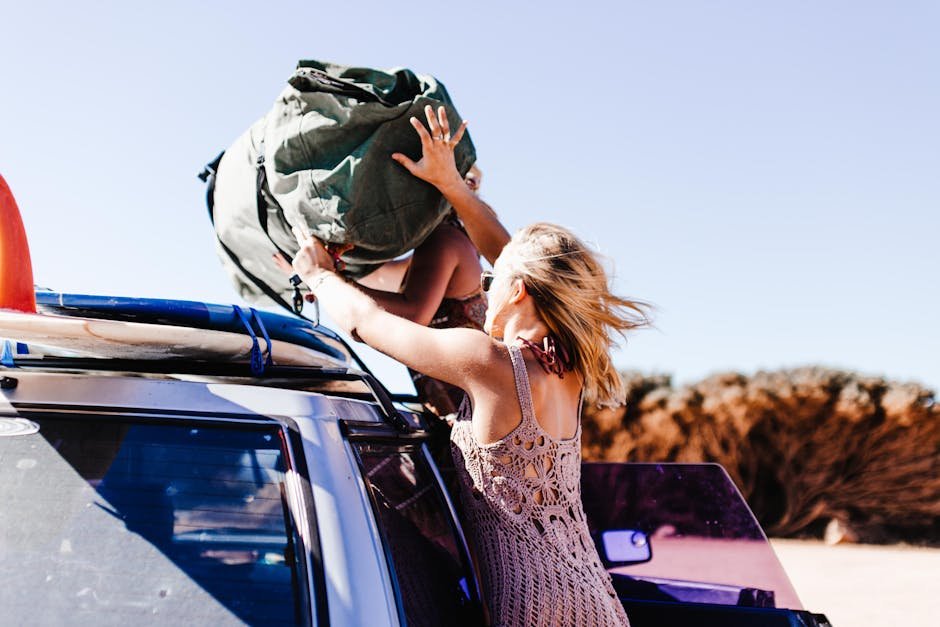
Driving is often cheaper than flying, especially for group trips. Carpool to split gas costs. Camping is the most budget-friendly lodging option. Some public lands allow free dispersed camping. For international trips, book flights early and consider shoulder-season travel for lower rates.
Food and Supplies
Dehydrated meals save space and weight but can be costly. Prepare your own meals using bulk ingredients. Bring a camp stove and reusable utensils. Avoid single-use plastics. Plan meals carefully to minimize waste and excess weight.
Final Tips for a Successful Summer Adventure
Preparation, respect for nature, and flexibility are key to a great trip. Start small if you’re new to outdoor adventures. Build experience gradually and always prioritize safety. Remember that the goal is enjoyment, not perfection.
Start with Day Trips
If you’re new to outdoor activities, begin with day hikes or short paddling excursions. Test your gear, assess your fitness, and learn basic skills. Day trips build confidence and help you identify what you enjoy most.
Be Flexible and Open-Minded
Weather, trail conditions, or personal energy levels may require changes to your plan. Have backup options and be willing to turn back if needed. Some of the best adventures come from unexpected detours or spontaneous decisions.
Document and Share Responsibly
Take photos and notes to remember your journey. Share experiences online to inspire others, but avoid revealing sensitive locations that could lead to overcrowding or environmental damage. Use discretion when posting geotags.
FAQ
What are the safest outdoor activities for beginners?
Beginner-friendly options include day hiking on marked trails, stand-up paddleboarding on calm lakes, and car camping in developed campgrounds. Always go with a guide or experienced friend, and choose activities with low technical demands.
How do I choose the right adventure destination?
Consider your fitness level, available time, and interests. Research trail difficulty, elevation gain, and weather conditions. Read recent trip reports and check for permits or reservations. National and state park websites offer reliable information.
What should I do if I get lost during a summer trip?
Stay calm and stop moving. Use your map and compass to reorient yourself. If unsure, stay put and use a whistle or signal mirror to attract attention. Conserve water and energy. If you have a satellite communicator, send a distress signal.