

Best Travel Destinations in Morocco for Tourists
Best Travel Destinations in Morocco for Tourists
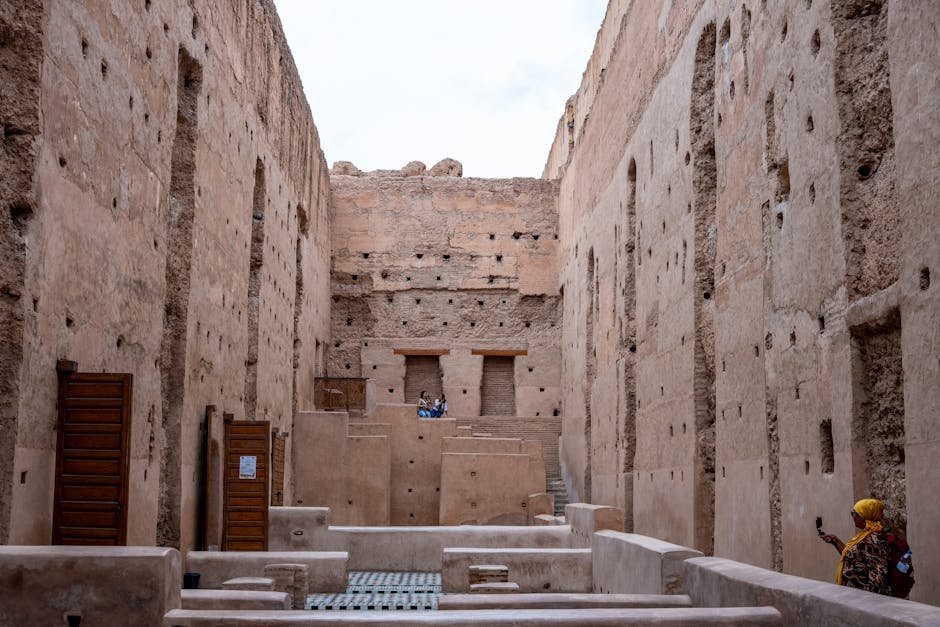
Morocco is a vibrant gateway between Africa and Europe, offering tourists a rich blend of culture, history, and natural beauty. From bustling medinas and ancient kasbahs to sweeping deserts and coastal towns, the country presents diverse experiences for every kind of traveler. Whether you’re drawn to imperial cities, mountain landscapes, or desert adventures, Morocco delivers authentic encounters and unforgettable sights. This guide highlights the best travel destinations in Morocco for tourists, helping you plan a trip that matches your interests and travel style.
Imperial Cities: A Journey Through Time
Morocco’s four imperial cities—Marrakech, Fes, Meknes, and Rabat—form the cultural backbone of the country. Each offers a unique glimpse into Morocco’s royal past, architectural grandeur, and urban traditions. These cities are ideal for travelers seeking history, craftsmanship, and authentic local life.
Marrakech: The Red City
Marrakech is Morocco’s most visited destination, known for its red sandstone buildings and lively atmosphere. The city center, a UNESCO World Heritage site, centers around Jemaa el-Fnaa, a bustling square that transforms from a market by day to an open-air food and entertainment hub by night.
Key attractions include the Koutoubia Mosque, Bahia Palace, and the Saadian Tombs. The souks (markets) in the Medina offer everything from leather goods to handwoven carpets. For a quieter experience, visit the Majorelle Garden, once owned by fashion designer Yves Saint Laurent.
Fes: The Cultural and Spiritual Heart
Fes is home to the world’s oldest continuously operating university, Al Quaraouiyine, founded in 859 AD. The Fes el-Bali medina is one of the largest car-free urban areas in the world and a maze of alleys, artisan workshops, and historic mosques.
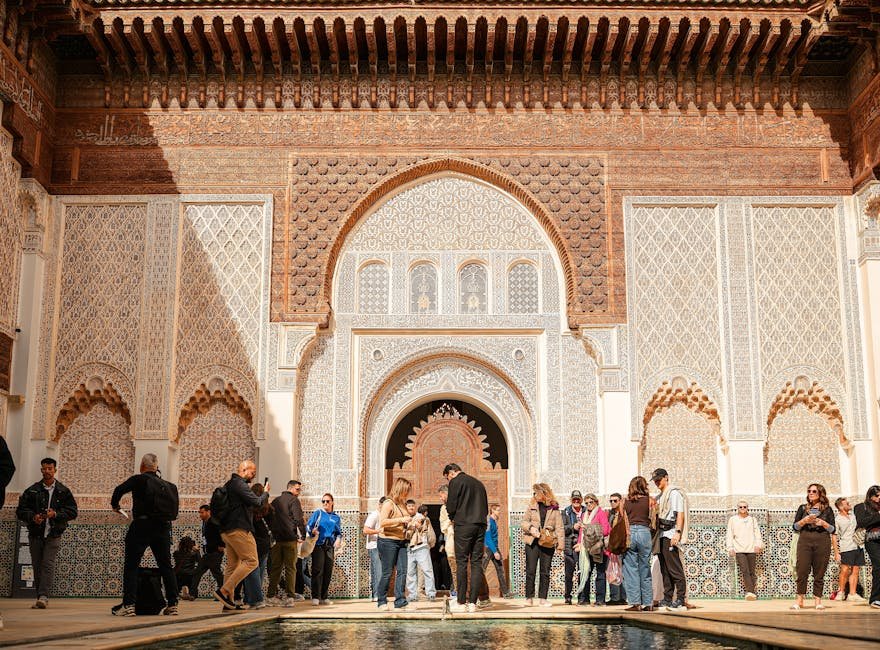
Visitors should explore the tanneries of Chouara, where leather is dyed using traditional methods. The Bou Inania Madrasa and Nejjarine Museum of Wooden Arts and Crafts showcase intricate Islamic architecture. Fes is ideal for travelers interested in deep cultural immersion.
Meknes: The Versailles of Morocco
Meknes, once the capital under Sultan Moulay Ismail, blends military strength with imperial elegance. The city features massive walls, grand gates like Bab Mansour, and underground granaries that once stored food for decades.
The Mausoleum of Moulay Ismail and the Heri es-Souani granary are must-see sites. Meknes is less crowded than Marrakech or Fes, making it a great choice for travelers seeking a more relaxed imperial experience.
Rabat: The Modern Capital with Historic Roots
Rabat, Morocco’s capital, offers a blend of contemporary life and historical significance. The Kasbah of the Udayas provides panoramic views of the Bou Regreg River and the Atlantic Ocean. Its blue-and-white streets resemble a Mediterranean village.
The Hassan Tower and the unfinished mosque nearby are iconic landmarks. The Chellah, a medieval ruin built atop Roman ruins, adds to Rabat’s layered history. As a coastal city, Rabat also offers beaches and a slower pace than other imperial cities.
Desert Adventures: The Magic of the Sahara
No trip to Morocco is complete without experiencing the Sahara Desert. The vast dunes, star-filled skies, and nomadic culture create a surreal and transformative experience. The most accessible gateway to the desert is through the southeastern region near the Algerian border.
Merzouga: Gateway to the Erg Chebbi Dunes
Merzouga is the top base for exploring the Erg Chebbi dunes, some of the highest in Morocco, reaching up to 150 meters. Tourists can take camel treks at sunrise or sunset, spending the night in traditional Berber tents.
Many desert camps offer dinner and music under the stars. For a more adventurous option, 4×4 desert tours allow access to remote areas and nearby villages. Merzouga is best visited between October and April, when temperatures are milder.
Zagora: The Gateway to the South
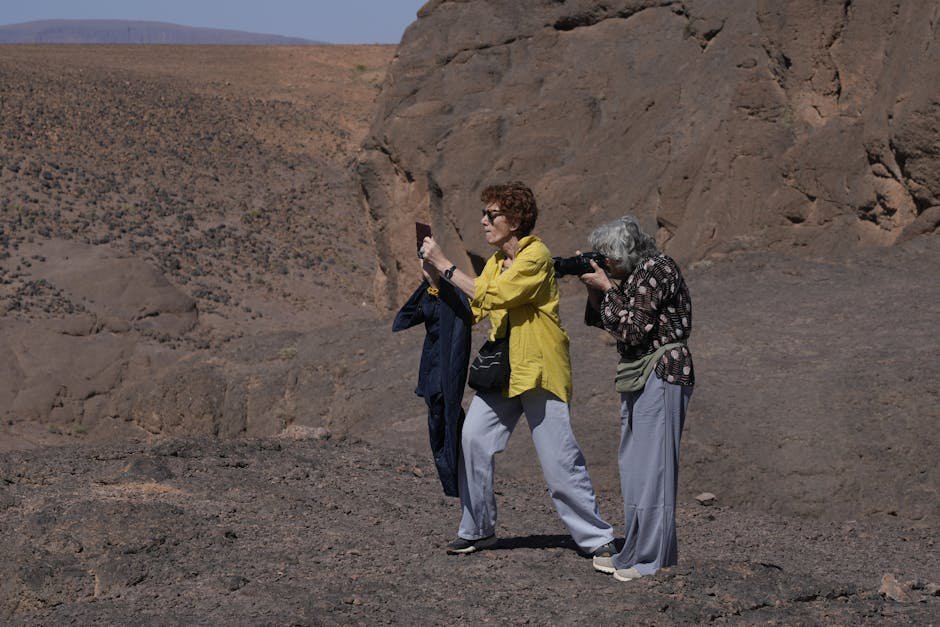
Zagora is another popular desert entry point, known for its shorter dune fields and the iconic “Timbuktu 52 Days” sign. It’s a good option for travelers with limited time who still want a desert experience.
The town serves as a hub for excursions into the Draa Valley, Morocco’s longest river valley, lined with palm groves and ancient kasbahs. Zagora is also closer to Ouarzazate, making it a convenient stop on a southern Morocco route.
Coastal Gems: Beaches and Blue Cities
Morocco’s Atlantic and Mediterranean coasts offer a different rhythm from the inland cities. From laid-back beach towns to artistic enclaves, the coastline appeals to travelers seeking relaxation, water sports, or scenic beauty.
Essaouira: A Breezy Coastal Escape
Essaouira is a fortified port city known for its strong Atlantic winds, making it a hotspot for windsurfing and kitesurfing. The medina, a UNESCO site, features whitewashed buildings, blue shutters, and narrow alleys filled with artisan shops.
The Skala de la Ville fortress offers views of the sea and the old Portuguese ramparts. Fresh seafood is abundant at the port, where fishermen sell their catch daily. Essaouira has a bohemian vibe, attracting artists and musicians year-round.
Chefchaouen: The Blue Pearl of Morocco
Nestled in the Rif Mountains, Chefchaouen is famous for its striking blue-painted buildings. The color is said to reflect the sky and symbolize spirituality, though its origins are debated among locals.
The medina is compact and walkable, with cafes, craft shops, and viewpoints like the Spanish Mosque. Hiking in the surrounding mountains offers trails with views of the valley and distant peaks. Chefchaouen is ideal for photographers and those seeking tranquility.
Tangier: Where Cultures Converge
Tangier, located at the Strait of Gibraltar, has long been a crossroads of African, European, and Middle Eastern influences. The city’s medina, Kasbah, and Grand Socco market reflect its cosmopolitan past.
Visit the Caves of Hercules, a natural sea cave with a view of the Atlantic. The American Legation Museum highlights Tangier’s diplomatic history. Ferries to Spain depart regularly, making Tangier a convenient entry or exit point for European travelers.
Mountain Retreats: The Atlas and Rif Ranges
For nature lovers and hikers, Morocco’s mountain ranges offer dramatic landscapes, traditional Berber villages, and cooler climates. The High Atlas and Rif Mountains provide opportunities for trekking, skiing, and cultural exchange.
Mount Toubkal: North Africa’s Highest Peak
Mount Toubkal, rising to 4,167 meters, is the highest peak in North Africa. Most trekkers begin their journey in Imlil, a village that serves as the main base for ascents.
The standard route takes two days, with an overnight stay in a mountain refuge. The climb is challenging but non-technical, suitable for fit beginners with proper preparation. Views from the summit span the Atlas range and the Sahara on clear days.
Ourika Valley: A Day Trip from Marrakech
The Ourika Valley, located about 30 kilometers south of Marrakech, is a popular escape from the city’s heat. The valley follows the Oued Ourika River through terraced fields and Berber villages.
Visitors can hike to the Setti Fatma waterfalls, a series of cascades accessible via a moderate trail. Local women often sell argan oil and herbs in roadside stalls. The valley is best visited in spring and early summer when the landscape is lush.
Azrou and the Cedar Forests
Azrou, in the Middle Atlas, is known for its dense cedar forests and resident Barbary macaques. The town is a gateway to Ifrane National Park, which features alpine-style architecture and clean, green spaces.
Ifrane itself is nicknamed “Little Switzerland” for its European feel. The nearby Ain Vittel spring and the Oued Inaouen valley offer hiking and picnic spots. This region is ideal for families and nature enthusiasts.
Historic Towns and Film Locations
Morocco’s diverse landscapes have made it a favorite filming location for Hollywood and international cinema. Several towns and kasbahs have gained fame through movies and TV shows, adding a cinematic layer to their appeal.
Ouarzazate: The Hollywood of Morocco
Ouarzazate is often called the “Hollywood of Morocco” due to its proximity to desert scenery and its Atlas Film Studios, one of the largest film studios in the world. Productions like “Gladiator,” “Game of Thrones,” and “Lawrence of Arabia” have filmed here.
The city is also home to the Taourirt Kasbah and the nearby Ait Benhaddou, a UNESCO-listed fortified village. Ait Benhaddou’s earthen buildings and dramatic desert backdrop make it one of Morocco’s most photographed sites.
Todra and Dades Gorges: Dramatic Canyons
The Todra and Dades Gorges are two of Morocco’s most striking natural formations. The Todra Gorge features towering limestone cliffs rising over 300 meters, with a narrow river running through the base.
The Dades Valley, known as the “Valley of a Thousand Kasbahs,” is lined with fortified homes and agricultural terraces. Both gorges are popular for hiking, rock climbing, and photography. They are typically visited on a road trip between Ouarzazate and the desert.
Practical Tips for Traveling in Morocco
Morocco is generally safe and welcoming to tourists, but a few practical tips can enhance your experience. Understanding local customs, transportation options, and seasonal considerations will help you travel smoothly.
Best Time to Visit
The ideal time to visit Morocco is during spring (March to May) and fall (September to November), when temperatures are mild and rainfall is low. Summers can be extremely hot, especially in the desert and southern regions, while winters are cold in the mountains but pleasant along the coast.
If you plan to hike in the Atlas Mountains or visit the desert, avoid July and August due to heat. Winter is ideal for skiing in Oukaimeden near Marrakech.
Getting Around
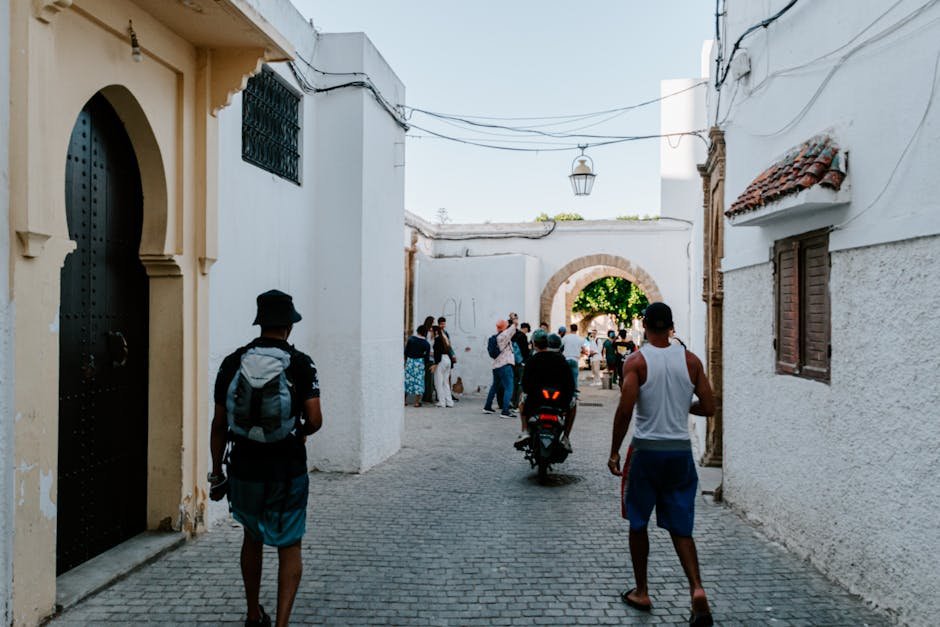
Morocco has a well-developed transport network. Trains connect major cities like Casablanca, Rabat, Fes, and Marrakech efficiently and affordably. Buses, operated by CTM and Supratours, serve most towns and rural areas.
For flexibility, consider renting a car, but be prepared for aggressive driving and limited signage in rural areas. Shared grand taxis are common for short intercity trips, while petit taxis operate within cities.
Cultural Etiquette
Morocco is a predominantly Muslim country, and respecting local customs enhances interactions. Dress modestly, especially in rural areas and religious sites. Women may choose to cover shoulders and knees, though this is less strict in tourist areas.
Avoid public displays of affection and refrain from photographing people without permission. During Ramadan, eating, drinking, or smoking in public during daylight hours is discouraged out of respect.
Money and Tipping
The Moroccan dirham (MAD) is the local currency. Credit cards are accepted in hotels and larger shops, but cash is essential in markets and rural areas. ATMs are widely available in cities.
Tipping is customary but not mandatory. In restaurants, 5–10% is appreciated. For guides, drivers, and hotel staff, small tips in dirhams are welcomed.
Safety and Health Considerations
Morocco is considered safe for tourists, with low violent crime rates. However, petty theft, such as pickpocketing and bag snatching, can occur in crowded areas like medinas and train stations.
Stay alert in busy markets and avoid displaying valuables. Use reputable transportation and avoid unlicensed guides. Travel insurance is recommended, especially for adventure activities like trekking or desert tours.
Tap water is not safe to drink in most areas. Stick to bottled water and avoid ice in drinks. Basic medical care is available in cities, but serious conditions may require evacuation to private clinics or abroad.
Final Thoughts
Morocco offers an extraordinary range of experiences, from ancient medinas and desert dunes to mountain trails and coastal towns. The best travel destinations in Morocco for tourists combine cultural richness, natural beauty, and authentic local encounters.
Whether you’re exploring the souks of Marrakech, camping under the stars in the Sahara, or hiking in the Atlas Mountains, Morocco rewards curiosity and openness. With thoughtful planning and cultural awareness, your trip can be both memorable and respectful.
FAQ
What is the best time of year to visit Morocco?
The best time to visit Morocco is during spring (March to May) and fall (September to November), when the weather is mild and ideal for sightseeing and outdoor activities.
Is Morocco safe for solo travelers?
Yes, Morocco is generally safe for solo travelers, including women. However, it’s wise to stay aware of your surroundings, avoid walking alone at night in unfamiliar areas, and respect local customs.
Do I need a visa to visit Morocco?
Citizens of the US, UK, Canada, Australia, and most EU countries do not need a visa for stays up to 90 days. Check with your local Moroccan embassy for the latest entry requirements.