


Best Adventure Travel Destinations in Asia
Top Adventure Places to Visit in Asia
Asia offers some of the most thrilling and diverse adventure travel experiences on the planet. From high-altitude treks in the Himalayas to underwater explorations in tropical reefs, the continent blends natural beauty, cultural depth, and adrenaline-pumping activities. Whether you’re seeking mountain summits, jungle expeditions, or remote island escapes, Asia delivers unforgettable journeys. This guide highlights the best adventure travel destinations across the region, helping you choose your next great escape based on terrain, season, and skill level.
Why Asia Is a Premier Adventure Travel Destination
Asia’s vast geography spans deserts, mountains, coastlines, and rainforests, creating unmatched variety for outdoor enthusiasts. The continent hosts eight of the world’s ten highest peaks, including Everest and K2, drawing climbers from around the globe. At the same time, its tropical islands offer world-class diving, surfing, and kayaking.
Cultural immersion enhances the adventure. Many destinations combine physical challenges with opportunities to engage with local communities, from Sherpa villages in Nepal to indigenous tribes in Borneo. Infrastructure varies widely, so preparation is key—some regions have well-marked trails and reliable guides, while others demand self-reliance and research.
Best Adventure Travel Destinations in the Himalayas
Everest Base Camp, Nepal
The Everest Base Camp trek is one of the most iconic adventure journeys in the world. Spanning 130 kilometers round-trip from Lukla, the route takes about 12–14 days and reaches an elevation of 5,364 meters. Trekkers pass through Sherpa villages, Buddhist monasteries, and dramatic glacial valleys.
Best time to go is March to May and September to November. Altitude sickness is a real risk—acclimatization days are essential. Most travelers join guided tours, which include permits, lodging, and meals. The experience rewards with views of Everest, Lhotse, and Ama Dablam.
Annapurna Circuit, Nepal
The Annapurna Circuit offers a more varied trek than Everest, crossing diverse landscapes from subtropical forests to arid high deserts. The route circles the Annapurna massif and includes the challenging Thorong La Pass at 5,416 meters.
This trek typically takes 15–20 days. It’s less crowded than Everest Base Camp but still well-supported with teahouses. The circuit passes through Hindu villages in the lowlands and Tibetan-influenced communities at higher elevations. Wildlife sightings may include langur monkeys and blue sheep.
Karakoram Range, Pakistan
For serious mountaineers and trekkers, Pakistan’s Karakoram Range offers remote and rugged terrain. The region includes K2, the world’s second-highest peak, and the famous Biafo Glacier, one of the longest outside the polar regions.
The trek to Concordia, known as the “Throne Room of the Mountain Gods,” provides views of K2, Broad Peak, and Gasherbrum IV. This expedition requires strong fitness and experience with high-altitude travel. Political stability and permit logistics should be checked before planning.
Jungle and Wildlife Adventures in Southeast Asia
Borneo Rainforest, Malaysia and Indonesia
Borneo is home to one of the oldest rainforests on Earth and offers unique wildlife encounters. Trekking in Taman Negara or Danum Valley allows visitors to spot orangutans, pygmy elephants, and clouded leopards in their natural habitat.
Guided night walks reveal nocturnal species like slow lorises and flying squirrels. River cruises along the Kinabatangan River offer close views of proboscis monkeys and crocodiles. Travelers should be prepared for humidity, insects, and muddy trails. Eco-lodges provide comfortable bases with minimal environmental impact.
Taman Negara National Park, Malaysia
Taman Negara is one of the world’s oldest tropical rainforests, estimated at 130 million years. It features canopy walks, river tubing, and multi-day jungle treks. The park spans over 4,000 square kilometers across three states.
Visitors can stay in basic forest rest houses or floating lodges. Guided tours are recommended for safety and to learn about medicinal plants and survival techniques. Flash floods can occur during monsoon season, so check weather conditions before entering.
Cardamom Mountains, Cambodia
The Cardamom Mountains are one of Southeast Asia’s last great wilderness areas. This remote region offers trekking, wildlife spotting, and community-based tourism. Endangered species like pileated gibbons and sun bears inhabit the area.
Treks often include stays in ethnic Phnong villages, where visitors learn traditional farming and weaving. Access is limited—most tours depart from Koh Kong or Pursat. Roads are unpaved, and travel times are long. This destination suits travelers seeking authenticity over comfort.
Island and Water-Based Adventures
Sipadan Island, Malaysia
Sipadan is consistently ranked among the world’s top diving destinations. Located off the coast of Borneo, the island’s vertical coral walls drop into deep blue water, attracting sharks, turtles, and schools of barracuda.
Only 120 divers are allowed per day, and permits must be booked months in advance. Most divers stay on nearby Mabul Island and take daily boat trips. Strong currents require advanced certification. Night dives reveal octopuses, nudibranchs, and sleeping reef sharks.
Ha Long Bay, Vietnam
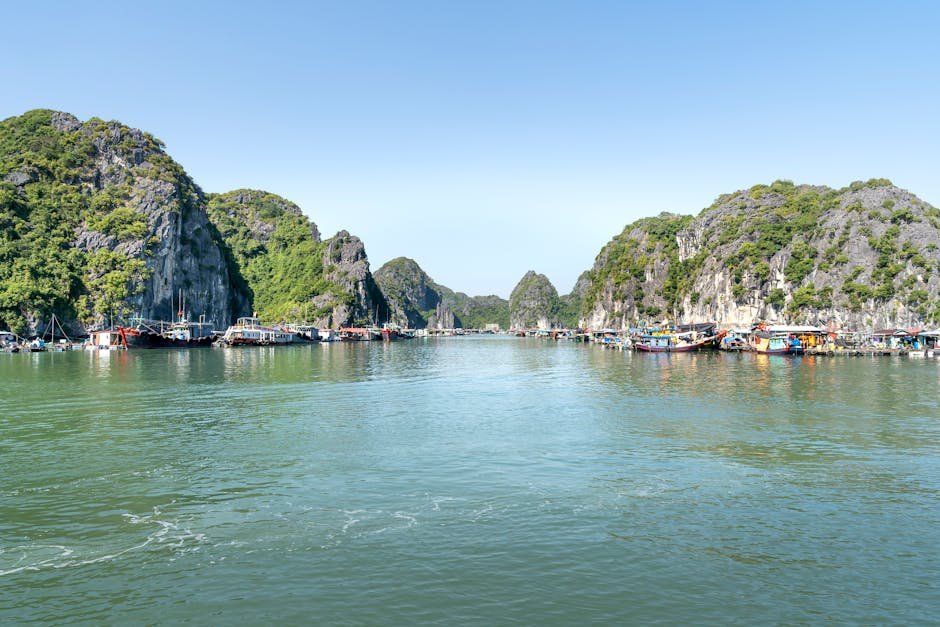
Ha Long Bay’s emerald waters and limestone karsts create a surreal landscape perfect for kayaking and sailing. Over 1,600 islands dot the bay, many with hidden lagoons and sea caves.
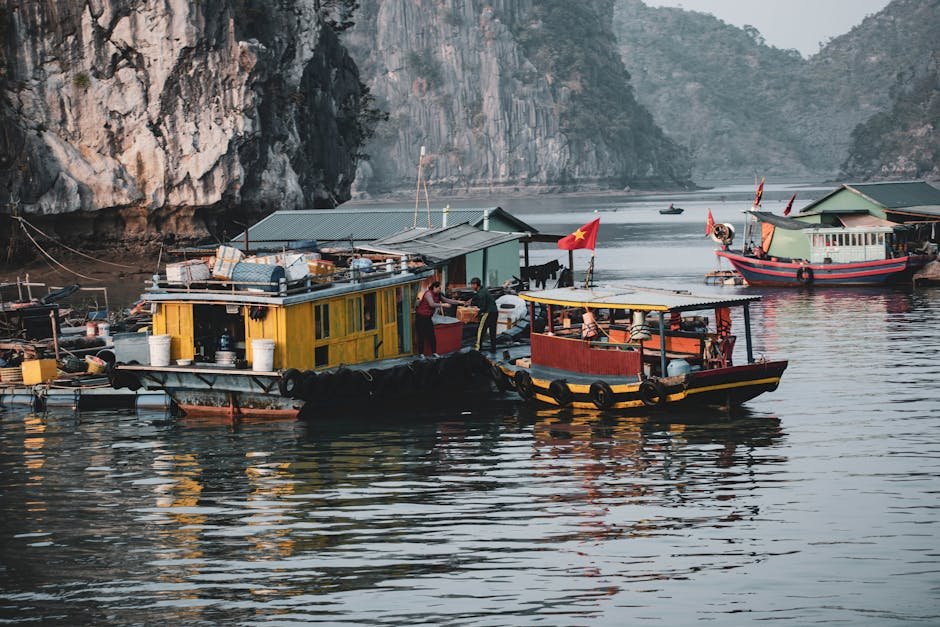
Multi-day cruises offer a mix of relaxation and exploration. Kayaking allows access to secluded spots like Luon Cave and Ti Top Island. Some tours include visits to floating fishing villages and pearl farms. Typhoons can occur between July and September—avoid this period.
Andaman Islands, India
The Andaman Islands offer pristine beaches, coral reefs, and WWII history. Snorkeling and scuba diving at Havelock Island reveal vibrant marine life, including clownfish, parrotfish, and reef sharks.
Neil Island provides quieter beaches and natural rock formations. Ross Island features ruins from British colonial rule. Permits are required for foreign visitors and must be obtained in advance. The best weather is from November to April.
Desert and High-Altitude Expeditions
Taklamakan Desert, China
The Taklamakan Desert is one of the world’s largest sandy deserts, located in the Xinjiang region. Crossing it is a serious expedition, often done by 4×4 vehicle or camel caravan along the ancient Silk Road.
Temperatures can exceed 40°C in summer and drop below freezing in winter. Sandstorms are common. Most travelers join organized tours with experienced guides and supply vehicles. The desert’s edge offers access to Uyghur villages and historic sites like the ruins of Loulan.
Mount Bromo and Ijen Crater, Indonesia
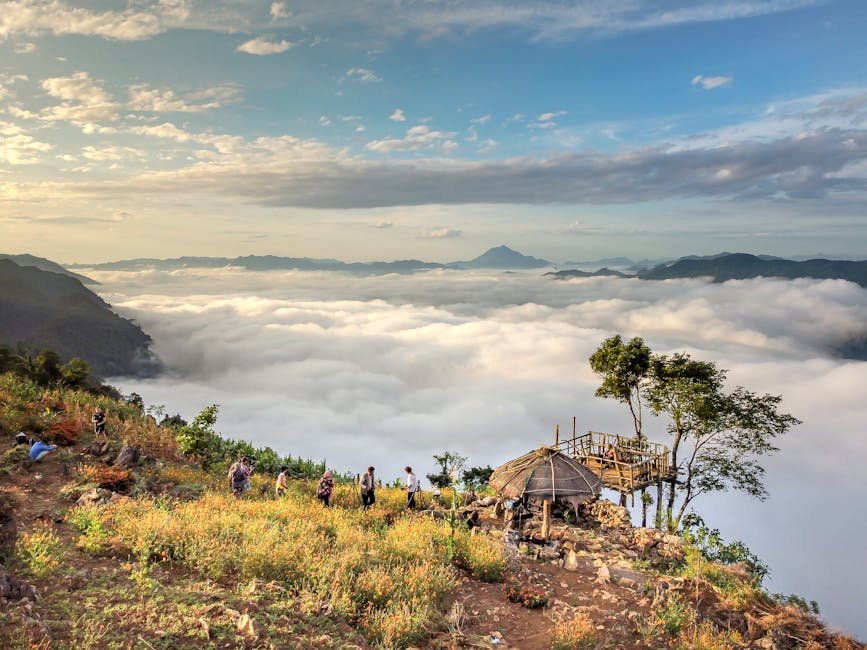
Java’s volcanic landscape offers accessible yet dramatic adventures. Mount Bromo’s sunrise views from Penanjakan Peak are legendary, with a sea of clouds below the crater rim. The trek involves a jeep ride followed by a short hike up a staircase of over 250 steps.
Nearby Ijen Crater is famous for its blue flames caused by ignited sulfur gas. The hike begins around midnight to catch the phenomenon. Gas masks are essential due to toxic fumes. The area is tourist-friendly, with guesthouses in nearby towns like Bondowoso.
Hemis National Park, India
Located in Ladakh, Hemis is India’s largest national park and a prime destination for high-altitude trekking and wildlife watching. The park is home to snow leopards, Tibetan wolves, and blue sheep.
Treks range from moderate to strenuous, often crossing passes above 5,000 meters. The best time to visit is June to September. Acclimatization in Leh is crucial before heading into the park. Local guides and permits are required.
Urban and Cultural Adventure Experiences
Tokyo to Kyoto by Bike, Japan
Cycling from Tokyo to Kyoto covers about 500 kilometers and takes 10–14 days. The route follows quiet backroads, rice paddies, and historic towns like Hakone and Nara. It’s a physical challenge combined with deep cultural exposure.
Japan’s excellent infrastructure supports cyclists with bike-friendly trains, rental services, and ryokan accommodations. Summer heat can be intense—spring and autumn are ideal. The journey ends at Kyoto’s temples and bamboo forests.
Hanoi to Ho Chi Minh City Motorbike Loop, Vietnam
The Ho Chi Minh Trail motorbike route spans over 1,700 kilometers from north to south. Riders pass through mountains, coastal roads, and rural villages. Highlights include Phong Nha-Ke Bang caves, Hue’s imperial city, and the Mekong Delta.
This trip requires confidence in traffic conditions and basic mechanical skills. Renting a motorbike in Hanoi is easy, but insurance is limited. Guided tours offer support vehicles and local knowledge. The journey takes 3–4 weeks.
Kashmir Valley Trekking, India
Kashmir’s alpine meadows, glacial lakes, and snow-capped peaks offer serene yet adventurous trekking. The Great Lakes Trek passes seven pristine lakes surrounded by pine forests and wildflowers.
The trek lasts 7–9 days and reaches altitudes up to 4,000 meters. It’s best attempted from June to September. Political tensions can affect travel—check government advisories. Homestays in villages provide authentic cultural interaction.
Essential Tips for Adventure Travel in Asia
Plan According to Season and Weather
Asia’s climate varies drastically by region and elevation. Monsoon season affects South and Southeast Asia from June to September, causing landslides and flooding. The Himalayas are best visited in spring and autumn.
Always check local forecasts and avoid high-risk periods. For example, typhoons can hit Japan and the Philippines in late summer. Desert regions are extremely hot in summer and cold at night.
Choose the Right Gear and Guides
Quality gear makes a difference in safety and comfort. Invest in sturdy hiking boots, moisture-wicking clothing, and a reliable backpack. For water activities, ensure your snorkel or dive gear fits properly.
Hiring local guides improves safety and enriches the experience. They know the terrain, weather patterns, and cultural norms. Reputable agencies provide certified guides and emergency support.
Respect Local Cultures and Environments
Many adventure destinations are in culturally sensitive or ecologically fragile areas. Dress modestly in rural villages, ask permission before photographing people, and follow Leave No Trace principles.
Avoid single-use plastics, especially in remote areas with limited waste management. Support community-based tourism initiatives that benefit local economies.
Prepare for Health and Safety
Vaccinations, travel insurance, and emergency plans are essential. Carry a basic first-aid kit, water purification tablets, and a portable charger. Inform someone of your itinerary.
Altitude sickness, foodborne illness, and insect bites are common risks. Drink bottled or filtered water, and avoid raw foods in rural areas. Know the location of the nearest medical facility.
How to Choose the Right Adventure Destination
Your ideal destination depends on fitness level, experience, budget, and interests. Beginners may prefer well-marked trails with support services, like the Langtang Valley in Nepal or the Cameron Highlands in Malaysia.
Experienced adventurers might seek remote or technical challenges, such as climbing in the Karakoram or kayaking in the Andaman Sea. Consider travel time and visa requirements—some countries require advance permits.
Group tours offer safety and convenience, while solo travel allows flexibility. Research thoroughly, read recent traveler reviews, and consult local tourism boards for updates.
FAQ
What is the best time of year for adventure travel in Asia?
The ideal time varies by region. Spring (March–May) and autumn (September–November) are best for the Himalayas. Southeast Asia is driest from November to February. Avoid monsoon season in most tropical areas.
Do I need special permits for trekking in Asia?
Yes, many destinations require permits. Nepal mandates TIMS cards and national park fees. India’s restricted areas like Ladakh need inner line permits. Always check official requirements before traveling.
Is adventure travel in Asia safe?
Generally yes, with proper preparation. Stick to reputable guides, avoid political unrest zones, and follow health precautions. Travel insurance with emergency evacuation coverage is strongly recommended.