

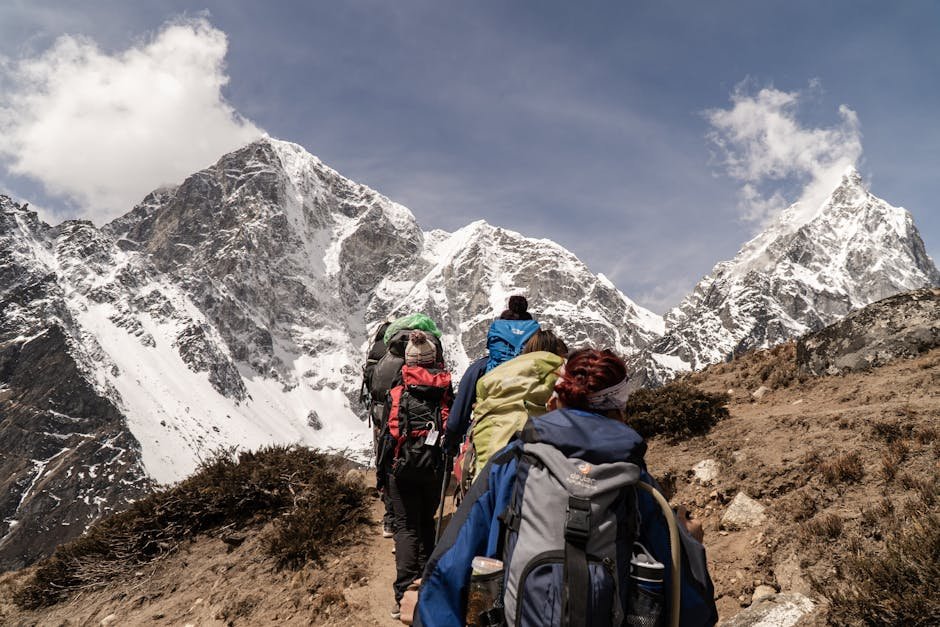
Best Trekking Routes in Asia
Top Trekking Destinations for Adventure Travelers in Asia
Asia offers some of the world’s most breathtaking and diverse trekking experiences, from snow-capped Himalayan peaks to lush jungle trails and ancient mountain paths. Exploring trekking routes Asia reveals important insights. Whether you’re a seasoned hiker or a first-time adventurer, the continent’s varied terrain, rich cultures, and stunning landscapes make it a top destination for outdoor exploration. This guide highlights the best trekking routes in Asia, carefully selected for their scenic beauty, cultural depth, and adventure potential. Each route includes practical details to help you plan your journey safely and responsibly.
Why Trek in Asia?
Asia’s geography is unmatched in scale and diversity. From the high-altitude plateaus of Tibet to the tropical forests of Borneo, the continent provides trekking opportunities across nearly every climate and elevation. The region is home to some of the planet’s highest mountains, deepest valleys, and most remote villages.
Culturally, trekking in Asia often means walking through living histories. Many routes pass through indigenous communities where traditions remain strong, and local guides offer insights into centuries-old ways of life. This blend of natural wonder and human heritage creates a uniquely immersive experience.
Safety and accessibility have also improved in recent years. Well-marked trails, established teahouses, and reliable transport options make many routes more approachable than ever—without sacrificing adventure.
Top Trekking Destinations in Asia
1. Everest Base Camp, Nepal
The Everest Base Camp (EBC) trek is one of the most iconic journeys in the world. Spanning approximately 130 kilometers round-trip, this route takes you through the heart of the Khumbu region, with views of Everest, Lhotse, and Ama Dablam.
The trek typically takes 12 to 14 days, starting with a flight from Kathmandu to Lukla. From there, hikers follow the Dudh Kosi River valley, passing Sherpa villages like Namche Bazaar and Tengboche. The final approach to base camp reaches 5,364 meters above sea level.
Acclimatization is critical. Most itineraries include rest days to prevent altitude sickness. Teahouses along the route provide basic lodging and meals, making this trek accessible to moderately fit travelers.
2. Annapurna Circuit, Nepal
The Annapurna Circuit is a classic long-distance trek that circles the Annapurna Massif. At over 230 kilometers, it’s one of Nepal’s most diverse routes, crossing subtropical forests, alpine meadows, and high desert plateaus.
The journey typically takes 15 to 20 days, with the highlight being the Thorong La Pass at 5,416 meters. This high-altitude crossing requires careful preparation and good weather windows, usually between October and November or March and April.
Unlike the EBC trek, the Annapurna Circuit offers greater cultural variety. You’ll pass through Hindu villages in the lower hills and Tibetan Buddhist communities in the upper valleys. The route is well-supported with teahouses, though some remote sections require self-sufficiency.
3. Langtang Valley Trek, Nepal
For those seeking a quieter alternative to Everest and Annapurna, the Langtang Valley offers stunning mountain views with fewer crowds. Located just north of Kathmandu, this region was affected by the 2015 earthquake but has since recovered and reopened to trekkers.
The standard route takes 7 to 10 days, reaching Kyanjin Gompa at 3,870 meters. The valley is known for its dense rhododendron forests, glacial rivers, and views of Langtang Lirung and Gang Chhenpo.
Langtang is ideal for travelers who want a moderate trek with high reward. Teahouses are plentiful, and the trail is well-marked. It’s also a good option for those with limited time or seeking a less commercialized experience.
4. Markha Valley Trek, India
The Markha Valley trek in Ladakh, northern India, is a high-altitude desert adventure through the heart of the Indian Himalayas. This 70-kilometer route crosses several mountain passes above 5,000 meters and traverses remote Buddhist villages.
The trek takes about 8 to 10 days, starting from the village of Chilling and ending in Hemis. Along the way, you’ll camp under the stars, cross icy streams, and visit ancient monasteries like Hemis and Shang Sumdo.
Due to the arid climate and high elevation, this trek demands good physical condition and proper gear. The best time to go is July to September, when temperatures are mild and trails are snow-free. Permits are required, and hiring a local guide is strongly recommended.
5. Tiger Leaping Gorge, China
Tiger Leaping Gorge in Yunnan Province is one of China’s most dramatic treks. The trail follows the Jinsha River as it cuts through the Jade Dragon Snow Mountains, with cliffs rising over 3,000 meters on either side.
The full trek takes 2 to 3 days and covers about 22 kilometers. The upper route offers the best views and is more challenging, while the lower path is easier but less scenic. The highlight is the “Tiger Leaping Stone,” where legend says a tiger leaped across the river.
This trek is best attempted between April and October. The trail is well-maintained, and guesthouses are available at key points. It’s a great introduction to trekking in China, with minimal language barriers and reliable infrastructure.
6. The Snowman Trek, Bhutan
The Snowman Trek is one of the world’s most challenging long-distance hikes. Spanning 320 kilometers and taking 25 to 30 days, it crosses 11 high passes above 4,500 meters in the remote Lunana region of Bhutan.
This trek is not for the faint of heart. It requires excellent fitness, cold-weather gear, and a high tolerance for isolation. Most of the route is above the tree line, with camping the only option for accommodation.
Only a limited number of permits are issued each year, and the trek is only possible from late September to early November. Despite its difficulty, the Snowman Trek offers unparalleled views of Bhutan’s untouched Himalayan wilderness and rare cultural encounters with semi-nomadic herders.
7. Mount Kinabalu, Malaysia
Mount Kinabalu in Sabah, Borneo, is Southeast Asia’s highest peak at 4,095 meters. The climb to the summit is a two-day trek that doesn’t require technical climbing skills, making it accessible to fit beginners.
Trekkers start at Timpohon Gate and climb through montane forest to Laban Rata, where they spend the night in mountain huts. The final push to Low’s Peak begins around 2 a.m. to catch the sunrise.
Permits are required and often sell out months in advance. The best time to climb is during the dry season from March to September. While the physical challenge is moderate, the altitude can still affect even experienced hikers.
8. The Gokyo Lakes Trek, Nepal
An alternative to the classic Everest Base Camp route, the Gokyo Lakes trek circles the pristine Gokyo Valley and offers equally stunning views of Everest from a different angle. The route includes a climb to Gokyo Ri (5,357 meters) for panoramic Himalayan vistas.
This 12 to 14-day trek is less crowded than EBC and features turquoise glacial lakes, waterfalls, and views of Cho Oyu, the world’s sixth-highest peak. The trail is well-marked, and teahouses are available in Gokyo and other villages.
The Gokyo route is ideal for photographers and those seeking a quieter Everest experience. It’s also slightly easier on the lungs, as the highest point is lower than Kala Patthar on the EBC trek.
9. The Kalash Valleys Trek, Pakistan
The Kalash Valleys in northern Pakistan are home to one of the world’s last surviving pre-Islamic cultures. Exploring trekking routes Asia reveals important insights. Trekking here offers a rare glimpse into the traditions of the Kalash people, known for their colorful festivals and unique architecture.
Popular routes include the trek from Bumburet to Rumbur and onward to Birir. These valleys are connected by narrow trails that wind through pine forests and along rushing rivers. The journey takes 5 to 7 days and includes stays in guesthouses or with local families.
Access requires a special permit, and the best time to visit is May to October. The region is remote, so travelers should be prepared for basic conditions and limited communication. Respect for local customs is essential.
10. The Ha Giang Loop, Vietnam
While not a traditional trek, the Ha Giang Loop in northern Vietnam offers a rugged overland adventure through some of the country’s most dramatic karst landscapes. Many travelers combine motorbike riding with short hikes to remote villages and viewpoints.
The loop spans about 300 kilometers and takes 3 to 4 days to complete. Highlights include the Ma Pi Leng Pass, the Lung Cu Flag Tower, and the ethnic minority communities of the Dong Van Karst Plateau.
Trekking options include day hikes to villages like Sà Phìn and Lũng Cú. The terrain is steep and rocky, so sturdy footwear is a must. The best time to visit is from October to April, when the weather is cool and dry.
How to Choose the Right Trek
Selecting the best trekking route depends on your fitness level, experience, time, and interests. Beginners should start with shorter, lower-elevation routes like Langtang or Tiger Leaping Gorge. More experienced trekkers may prefer high-altitude challenges like the Annapurna Circuit or the Snowman Trek.
Consider the season carefully. Most Himalayan treks are best from October to November and March to May, when skies are clear and temperatures are stable. Monsoon season (June to September) brings heavy rain and landslides in many regions.
Budget is another factor. Nepal and India offer some of the most affordable trekking options, with teahouses and local guides available at low cost. Bhutan, by contrast, has a mandatory daily tariff that includes guides, permits, and lodging.
Always research permits, vaccinations, and travel advisories before departure. Some regions, like parts of Pakistan and China, require special documentation or guided tours.
Essential Tips for Safe and Responsible Trekking
Preparation is key to a successful trek. Start training at least two months in advance, focusing on cardio and leg strength. Practice hiking with a loaded backpack on uneven terrain.
Pack light but smart. Essentials include a quality sleeping bag, layered clothing, a first-aid kit, water purification tablets, and a headlamp. Avoid single-use plastics—many trails now ban plastic bottles and bags.
Hire local guides and porters when possible. They provide valuable knowledge, support the local economy, and enhance safety. Always pay fair wages and tip appropriately.
Respect the environment and local cultures. Stay on marked trails, carry out all trash, and avoid disturbing wildlife. Learn a few basic phrases in the local language to show respect and build rapport.
Be prepared for emergencies. Carry a satellite communicator or GPS device in remote areas. Know the symptoms of altitude sickness and descend immediately if they appear.
What to Expect on the Trail
Daily life on a trek varies by route, but most follow a similar rhythm. Mornings start early, often before sunrise, to make the most of cooler temperatures. Breakfast is usually simple—porridge, bread, and tea—before setting off.
Trekking days range from 4 to 8 hours, depending on distance and elevation gain. Breaks are taken frequently, especially at high altitudes. Lunch is often eaten at a teahouse or picnic spot along the trail.
Evenings are spent resting, eating, and preparing for the next day. In teahouse treks, dinner is typically a communal affair with dal bhat (lentil soup and rice) in Nepal or similar local dishes elsewhere.
Weather can change quickly in the mountains. Be ready for rain, snow, or intense sun, even in a single day. Layered clothing and waterproof gear are essential.
Environmental and Cultural Considerations
Trekking brings economic benefits to remote communities, but it also poses environmental and cultural challenges. Over-tourism can strain local resources and damage fragile ecosystems.
Support sustainable tourism by choosing eco-friendly operators, minimizing waste, and respecting sacred sites. Avoid giving money or gifts directly to children, as this can encourage dependency.
In many regions, local customs around dress, photography, and behavior are strict. Always ask before taking photos of people or religious sites. Dress modestly, especially in conservative areas.
Leave no trace. Pack out all trash, including toilet paper and hygiene products. Use established campsites and avoid cutting live wood for fires.
Final Thoughts
Asia’s trekking routes offer something for every kind of adventurer. Whether you’re drawn to the spiritual peaks of the Himalayas, the hidden valleys of Bhutan, or the tropical climbs of Borneo, the continent delivers unforgettable experiences.
The best trekking routes in Asia combine natural beauty, cultural richness, and personal challenge. With proper planning and respect for local environments and people, your journey can be both rewarding and responsible.
Start small if you’re new to trekking, and gradually build your skills and confidence. The mountains will always be there—ready to welcome those who approach with preparation, humility, and curiosity.
FAQ
What is the best time of year to trek in the Himalayas?
The ideal time is during the post-monsoon season (October to November) and pre-monsoon season (March to May). These periods offer stable weather, clear skies, and safer trail conditions.
Do I need a guide for trekking in Asia?
It depends on the country and route. In Nepal and India, guides are optional but recommended for remote or high-altitude treks. In Bhutan and parts of China, guides are mandatory.
How difficult are these treks for beginners?
Some routes, like Langtang or Mount Kinabalu, are suitable for beginners with moderate fitness. Others, like the Snowman Trek or Markha Valley, require advanced preparation and experience.