

Top Travel Destinations in Canada for Nature Lovers
Top Travel Destinations in Canada for Nature Lovers
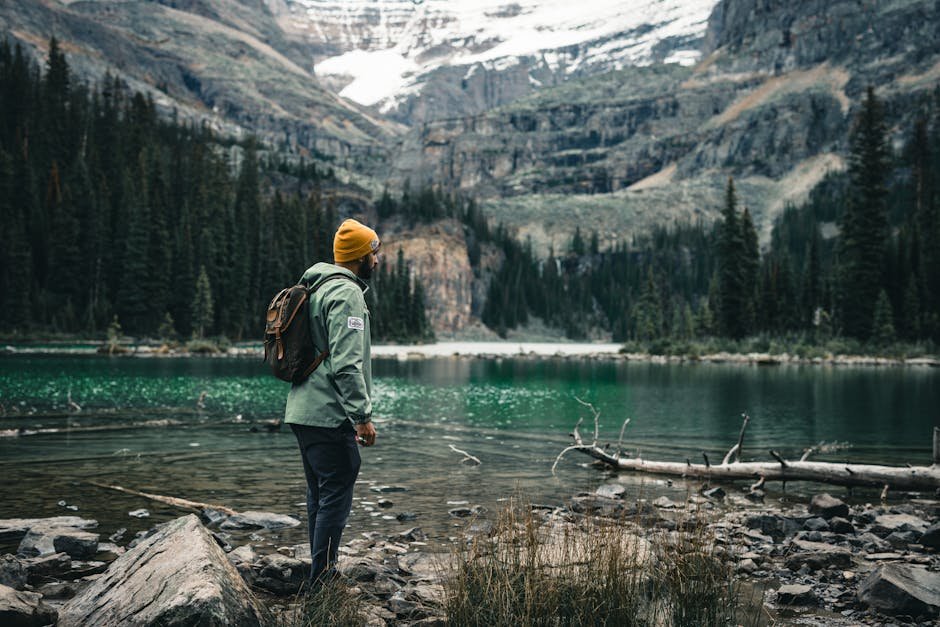
Canada’s vast landscapes offer some of the most breathtaking natural experiences on the planet. Exploring Canada nature travel destinations reveals important insights. From towering mountain ranges and ancient forests to pristine lakes and dramatic coastlines, the country is a paradise for outdoor enthusiasts. Whether you’re seeking solitude in remote wilderness or family-friendly adventures, Canada delivers unforgettable encounters with nature. This guide highlights the top travel destinations in Canada for nature lovers, focusing on accessibility, unique ecosystems, and seasonal highlights.
Banff National Park, Alberta
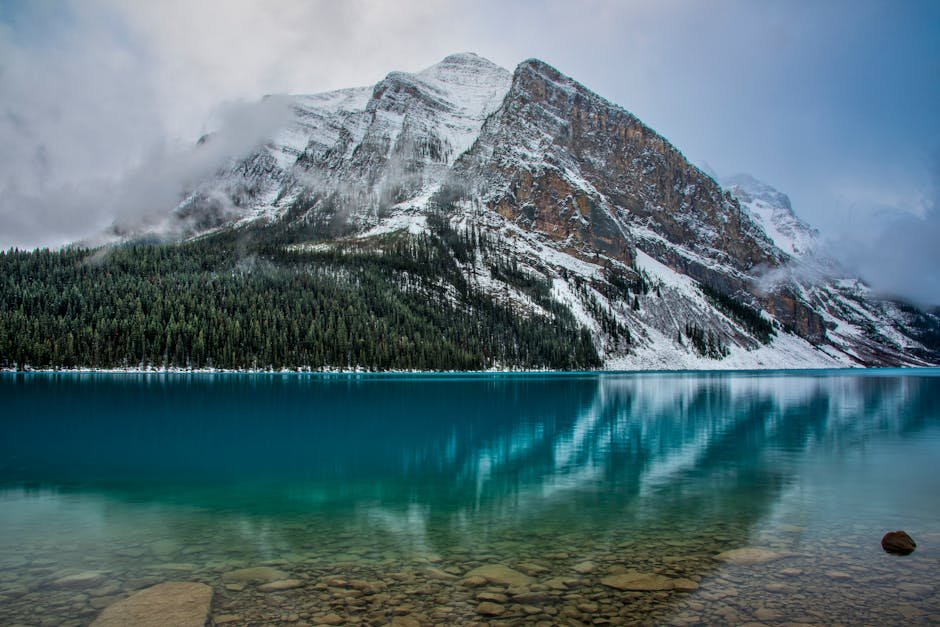
Banff National Park, nestled in the heart of the Canadian Rockies, is Canada’s first national park and a UNESCO World Heritage Site. It’s renowned for its turquoise glacial lakes, snow-capped peaks, and abundant wildlife. Lake Louise and Moraine Lake are iconic stops, drawing photographers and hikers alike with their vivid blue waters.
Visitors can explore over 1,600 kilometers of hiking trails, ranging from easy lakeside walks to challenging alpine routes. The Plain of Six Glaciers Trail offers panoramic views and a historic tea house at the summit. In winter, the park transforms into a snowy wonderland ideal for skiing, snowshoeing, and ice walks.
Wildlife sightings are common—elk, black bears, and mountain goats roam freely. However, always maintain a safe distance and carry bear spray when hiking. The park can get crowded in summer, so arriving early or visiting shoulder seasons like late spring or early fall ensures a more peaceful experience.
Best Time to Visit
June to September offers warm weather and full trail access. Winter (December to March) is ideal for snow sports, though some roads and facilities close. Spring and fall provide fewer crowds and stunning foliage or snow-dusted peaks.
Getting There and Around
Banff is accessible via Calgary International Airport, about a 90-minute drive west. Shuttles and rental cars are available. Once in the park, the Roam Transit system connects major attractions, reducing the need for private vehicles.
Jasper National Park, Alberta
Jasper National Park, also in the Canadian Rockies, is larger and less developed than Banff, offering a more rugged and remote feel. It’s part of the Canadian Rocky Mountain Parks UNESCO site and boasts dark-sky preserves, making it a prime spot for stargazing.
The Columbia Icefield, one of the largest ice masses in North America, is a major draw. Visitors can walk on the Athabasca Glacier via guided ice walks or ride the Ice Explorer vehicle. The Skyline Trail is one of Canada’s top long-distance hikes, offering sweeping alpine vistas over seven days.
Wildlife is abundant—moose, bighorn sheep, and grizzly bears are frequently spotted along the Icefields Parkway. The park’s network of trails includes options for all skill levels, from the easy Valley of the Five Lakes loop to multi-day backpacking routes.
Unique Features
Jasper is home to the Miette Hot Springs, the hottest springs in the Canadian Rockies. The town of Jasper offers cozy lodges and local eateries, serving as a quiet base for exploration.
Travel Tips
Cell service is limited in much of the park. Download maps and trail information in advance. Book accommodations early, especially during summer. Winter access is possible via snowcoach or cross-country skiing.
Yoho National Park, British Columbia
Yoho National Park, meaning “awe” or “wonder” in Cree, lives up to its name with dramatic waterfalls, emerald lakes, and fossil-rich cliffs. It lies just west of Banff and is often overlooked, making it a quieter alternative for nature seekers.
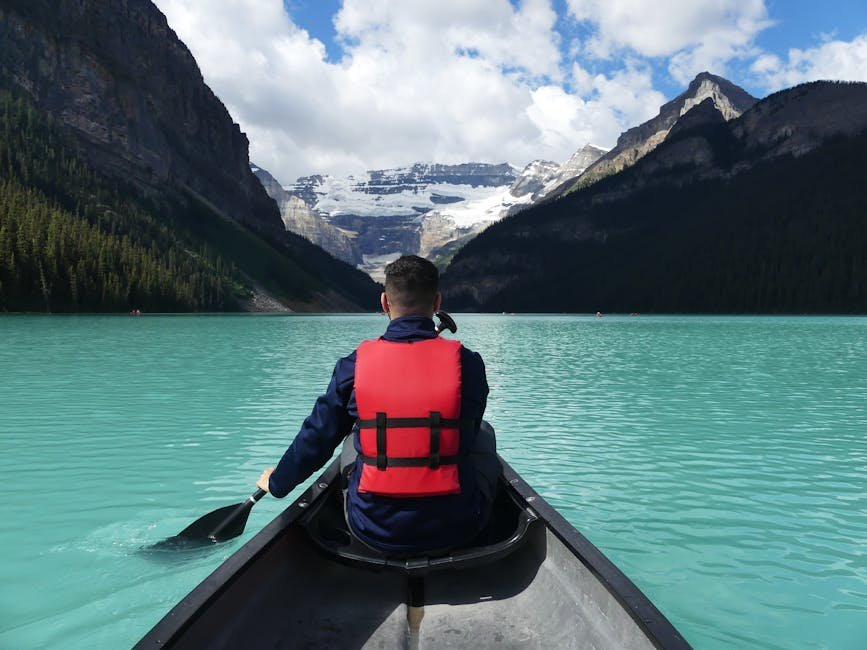
Emerald Lake is the park’s crown jewel, surrounded by forest and reflected peaks. Canoe rentals allow for peaceful paddling across its glassy surface. Nearby, Takakkaw Falls—one of Canada’s tallest waterfalls—plunges 254 meters and is accessible via a short, steep trail.
The Burgess Shale fossil beds, a UNESCO site, reveal 508-million-year-old marine life. Guided tours are required to protect this fragile site, offering a rare glimpse into Earth’s ancient past.
Hiking Highlights
The Iceline Trail circles Emerald Lake with views of glaciers and hanging valleys. For a shorter hike, the Wapta Icefield traverse offers glacier access with proper gear and guidance.
Visitor Considerations
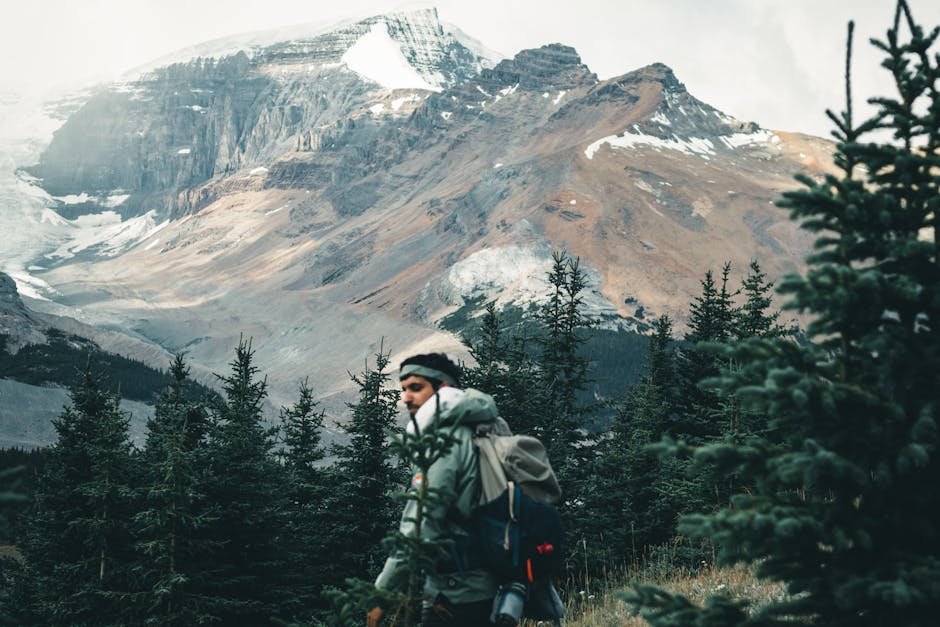
Facilities are limited compared to Banff. Fill up on gas and supplies in Golden or Field before entering. Wildlife crossings are frequent—drive cautiously, especially at dawn and dusk.
Gros Morne National Park, Newfoundland and Labrador
Gros Morne National Park on Newfoundland’s west coast showcases geological wonders shaped by ancient plate tectonics. Its fjord-like coastline, tablelands, and boreal forests earned it UNESCO status.
The Tablelands, a striking orange-hued rock formation, are part of the Earth’s mantle exposed above ground. Guided walks explain the area’s unique geology. Nearby, Western Brook Pond offers boat tours through a glacially carved freshwater fjord surrounded by 600-meter cliffs.
Hiking trails range from coastal walks in Trout River to the challenging Gros Morne summit. The park is also a prime spot for birdwatching, with Atlantic puffins, bald eagles, and moose commonly seen.
Seasonal Access
Most services operate from June to October. Winter access is limited, but snowshoeing and cross-country skiing are possible with proper preparation. Ferry access from Nova Scotia is required for most visitors.
Cultural Experiences
The park includes Indigenous and fishing heritage sites. Visit the Norris Point Cultural Centre to learn about local Mi’kmaq history and traditional boat-building.
Pacific Rim National Park Reserve, British Columbia
Located on Vancouver Island’s west coast, Pacific Rim offers rugged coastline, temperate rainforests, and some of the best surfing in Canada. It’s a haven for ocean lovers and outdoor adventurers.
The West Coast Trail is a legendary 77-kilometer trek that takes six to eight days to complete. It follows a historic shipwreck rescue route through dense forest, across beaches, and over ladders and cable cars. Permits are required and highly competitive.
For a shorter experience, the Long Beach unit features sandy shores perfect for walking, storm watching, and surfing. The Rainforest Loop Trail offers an accessible boardwalk through ancient cedar and spruce trees.
Marine Wildlife
Whale watching is popular from March to October. Gray whales, orcas, and humpbacks migrate along the coast. Kayaking tours offer close encounters with sea lions and otters.
Packing Essentials
Weather changes rapidly—pack waterproof layers, sturdy footwear, and insect repellent. Tides and currents are strong; never turn your back on the ocean.
Fundy National Park, New Brunswick
Fundy National Park is defined by the world’s highest tides, which can rise and fall over 16 meters twice daily. This natural phenomenon shapes the park’s coastal landscape and creates unique intertidal zones.
At low tide, explore the ocean floor on guided walks to see sea stars, crabs, and anemones. The Dickson Falls Trail leads through old-growth forest to a scenic waterfall. The park also features freshwater lakes ideal for swimming and canoeing.
Accommodations range from campgrounds to yurts and cabins. Exploring Canada nature travel destinations reveals important insights. The park hosts seasonal events like the annual Salmon Festival, celebrating local ecology and culture.
Family-Friendly Activities
Junior Naturalist programs engage kids in wildlife observation and nature crafts. The park’s playgrounds and picnic areas make it ideal for families.
Travel Advisory
Check tide tables before visiting coastal areas. Never walk on the ocean floor without a guide—tides can return quickly and trap visitors.
Prince Albert National Park, Saskatchewan
Set in the boreal forest of central Saskatchewan, Prince Albert National Park offers a mix of forest, lakes, and grasslands. It’s a quieter destination, perfect for those seeking solitude and wildlife.
Waskesiu Lake is the park’s centerpiece, with sandy beaches and clear water for swimming and boating. The Grey Owl Trail leads to a replica of the famed conservationist’s cabin on Ajawaan Lake.
Wildlife viewing is exceptional—bison roam freely in the southern grasslands, and elk, beavers, and loons are common. The park is also a birdwatcher’s paradise, with over 200 species recorded.
Winter Activities
Cross-country skiing and snowshoeing trails are well-maintained. Ice fishing and winter camping are popular, with warming shelters available along routes.
Getting There
The park is a 2.5-hour drive north of Saskatoon. Waskesiu town offers hotels, restaurants, and visitor services. Cell service is limited, so plan ahead.
Kluane National Park and Reserve, Yukon
Kluane National Park protects Canada’s highest peak, Mount Logan, and vast icefields covering over 80% of the park. It’s a remote, high-alpine wilderness ideal for experienced adventurers.
The Alsek River, a UNESCO-designated waterway, offers multi-day rafting trips through glacial valleys and past grizzly bear habitats. Flightseeing tours provide stunning aerial views of the icefields and peaks.
Hiking is challenging but rewarding—the King’s Throne climb is a technical route for advanced mountaineers. The Kathleen Lake area offers easier trails with mountain and lake views.
Wildlife and Conservation
The park is home to Dall sheep, mountain goats, and the rare glacier bear. Strict conservation rules protect this fragile ecosystem—camp only in designated areas and pack out all waste.
Access and Preparation
The park is accessible via the Alaska Highway. Services are minimal—bring all supplies, including fuel and food. Weather can change rapidly; prepare for cold, wind, and snow even in summer.
Bruce Peninsula National Park, Ontario
Located on the Niagara Escarpment, Bruce Peninsula National Park features turquoise waters, limestone cliffs, and ancient cedar trees. It’s part of Fathom Five National Marine Park, Canada’s first underwater preserve.
The park’s main trail, the Bruce Trail, leads to the Grotto—a stunning sea cave with crystal-clear water. Swimming is allowed, but currents can be strong. Nearby, Flowerpot Island offers lighthouse tours and sea stacks formed by erosion.
Backcountry camping is available on a first-come, first-served basis. Permits are required and should be obtained in advance during peak season.
Marine Exploration
Snorkeling and scuba diving reveal shipwrecks and underwater cliffs. Glass-bottom boat tours are available for non-divers.
Seasonal Notes
Summer is busiest—arrive early to secure parking. Spring and fall offer mild weather and fewer crowds. Winter access is limited but possible via snowshoe or ski.
Nahanni National Park Reserve, Northwest Territories
Nahanni National Park Reserve is one of Canada’s most remote and wild destinations. Accessible mainly by floatplane or rafting, it features deep canyons, hot springs, and the powerful South Nahanni River.
Virginia Falls, twice the height of Niagara Falls, is a highlight. The surrounding canyon walls rise 300 meters, creating a dramatic setting. Hiking trails are minimal—most exploration is by boat or on foot through rugged terrain.
The park is home to grizzly bears, Dall sheep, and woodland caribou. Due to its isolation, self-sufficiency is essential—visitors must carry satellite communication devices and emergency supplies.
Guided Expeditions
Most visitors join guided rafting or hiking trips lasting 7–14 days. These tours handle logistics and safety, allowing travelers to focus on the experience.
Permits and Regulations
A park permit is required and can be obtained online. Group sizes are limited to protect the environment. All food must be stored in bear-proof containers.
Tips for Responsible Nature Travel in Canada
When visiting Canada’s natural destinations, prioritize sustainability and safety. Stick to marked trails to prevent erosion and protect plant life. Practice Leave No Trace principles—pack out all trash, including food scraps.
Respect wildlife by observing from a distance and never feeding animals. Use bear-resistant food containers in backcountry areas. Check park websites for trail closures, fire bans, and weather alerts before traveling.
Support local communities by staying in locally owned accommodations and purchasing regional products. Many parks offer educational programs—participate to deepen your understanding of the ecosystem.
FAQ
What is the best time of year to visit Canada’s national parks for nature lovers?
The best time varies by region. In the Rockies (Banff, Jasper), summer (June–September) offers warm weather and full access. Coastal parks like Pacific Rim are ideal in late summer for whale watching. Northern parks like Kluane are best accessed in July and August due to extreme winter conditions.
Do I need a permit to visit most national parks in Canada?
Yes, an entrance pass is required for all national parks. Daily or annual passes can be purchased online or at park gates. Some backcountry areas and special activities (e.g., West Coast Trail, Nahanni rafting) require additional permits and advance booking.
Is it safe to hike alone in Canadian national parks?
While many trails are safe for solo hikers, it’s recommended to hike with a partner in remote areas. Always inform someone of your plans, carry a map and compass, and bring emergency communication devices. Bear spray is essential in bear country.