

Best Hiking Trails in Pakistan for Adventure Lovers Guide
Best Hiking Trails in Pakistan for Adventure Lovers Guide
Looking for the best hiking trails in Pakistan for adventure lovers? Exploring hiking trails Pakistan reveals important insights. You’re in the right place. From snow-capped peaks in the north to lush alpine meadows and glacial lakes, Pakistan offers some of the world’s most breathtaking trekking routes. Whether you’re a beginner or an experienced mountaineer, the country’s diverse terrain provides unforgettable experiences. This guide highlights top trails across Gilgit-Baltistan, KPK, and Azad Kashmir—complete with difficulty levels, best times to visit, and essential tips to help you plan your next adventure.
Why Pakistan Is a Hidden Gem for Hikers
Pakistan is home to five of the world’s fourteen 8,000-meter peaks, including K2. Its dramatic landscapes range from arid valleys to glacial rivers and high-altitude plateaus. Unlike more crowded trekking destinations, many trails here remain uncrowded and pristine.
The region’s cultural richness adds another layer to the experience. You’ll pass through remote villages where locals greet you with warm hospitality and traditional tea. Trails often follow ancient trade routes, adding historical depth to your journey.
Safety and accessibility have improved significantly in recent years. With proper planning, permits, and local guides, even challenging routes are achievable for prepared hikers.
Top Hiking Trails in Northern Pakistan
1. K2 Base Camp Trek – The Ultimate Challenge
The K2 Base Camp trek is one of the most demanding and rewarding hikes in the world. Spanning 10–14 days, it takes you through the mighty Karakoram Range to the foot of the world’s second-highest peak.
The route starts in Skardu and passes through Askole, the last village before the wilderness. From there, you cross rugged terrain, including the infamous Gondogoro La pass at 5,585 meters. The final stretch leads to K2 Base Camp, offering panoramic views of Broad Peak and Gasherbrum peaks.
This trek is best attempted between June and August. It requires excellent physical fitness, acclimatization days, and a qualified guide. Altitude sickness is a real risk—descend immediately if symptoms appear.
2. Fairy Meadows to Nanga Parbat Base Camp
Fairy Meadows is often called “Heaven on Earth” for its lush green plateau beneath the towering Nanga Parbat, the ninth-highest mountain globally. The 3–4 day trek from Raikot Bridge to the base camp is steep but visually stunning.
Most hikers take a 4×4 jeep to the trailhead, then hike 3–4 hours to Fairy Meadows. Spend a night camping under the stars before continuing to the base camp. The final ascent is rocky and exposed, so good footwear is essential.
Best visited from May to September, this trail offers sunrise views that are nothing short of magical. Permits are required and can be arranged through local tour operators in Gilgit.
3. Hunza Valley Trails – Scenic and Accessible
The Hunza Valley offers a mix of easy walks and moderate hikes, perfect for families and first-time trekkers. The valley is surrounded by snow-capped peaks like Rakaposhi and Ultar Sar.
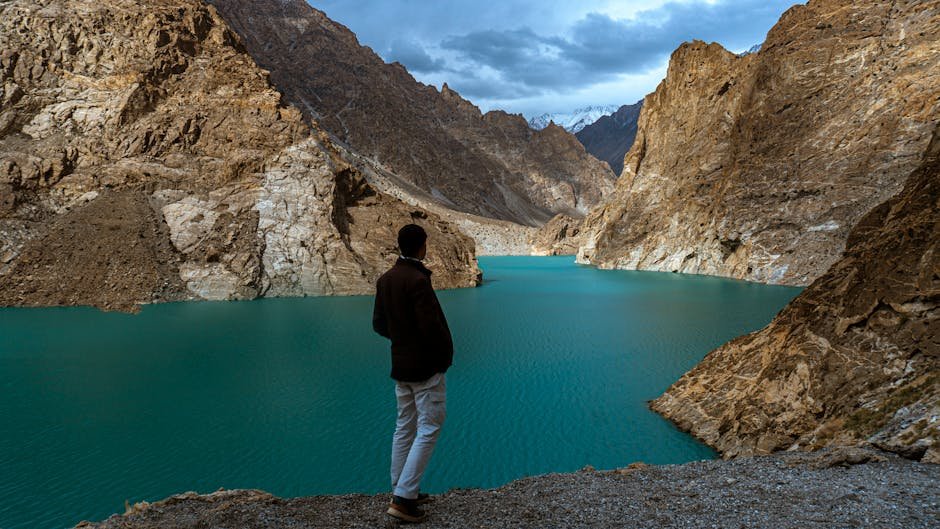
One popular route is the hike to Attabad Lake viewpoint. The trail is well-marked and takes about 2 hours round trip. The turquoise lake, formed after a 2010 landslide, is a striking sight against the barren mountains.
For a longer adventure, try the trek to Passu Cones. The 6–8 hour round trip offers dramatic views of jagged peaks and the Hunza River below. Local guesthouses in Passu and Gulmit provide comfortable stays.
4. Deosai Plains – The Land of Giants
Deosai National Park, at an average elevation of 4,000 meters, is one of the highest plateaus in the world. Known for its summer wildflowers and brown bears, it’s a unique trekking destination.
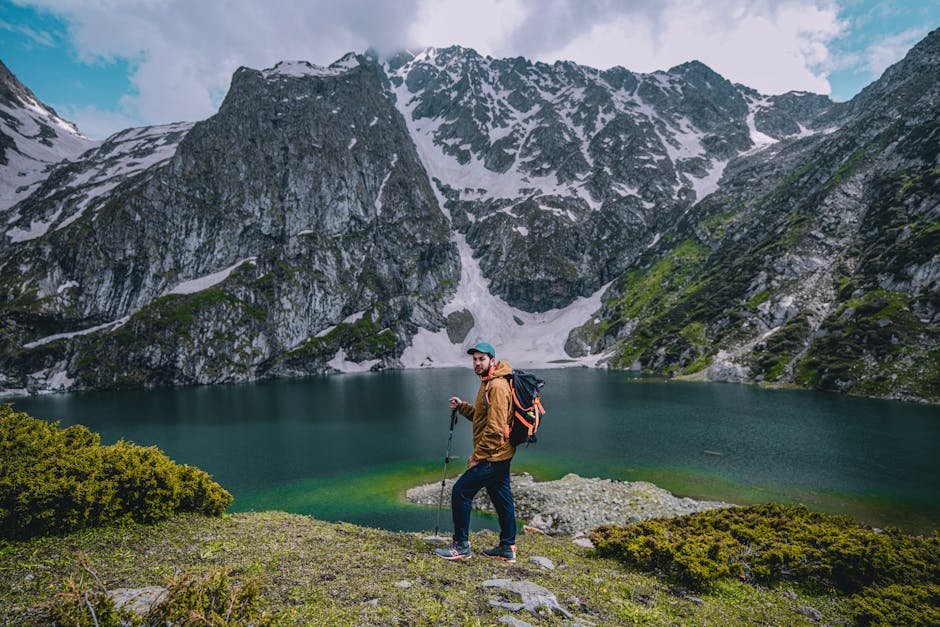
The main trail runs from Skardu to the Deosai plateau, accessible only from June to September due to heavy snowfall. The landscape is vast and open, with no trees—just rolling grasslands and distant peaks.
Wildlife sightings are common, so travel in groups and carry bear spray. Overnight camping is allowed with a permit from the wildlife department. The lack of facilities means you must carry all supplies.
5. Rama Meadow Trek – A Hidden Alpine Paradise
Located in Astore District, the Rama Meadow trek is less known but equally stunning. The 3-day hike starts from Rama Lake, a serene glacial lake surrounded by pine forests and snow peaks.
The trail climbs gently through meadows dotted with wildflowers in summer. At higher elevations, you’ll find crystal-clear streams and panoramic views of the Himalayas. The final meadow is ideal for camping and stargazing.
This trek is best from June to September. It’s moderately difficult and suitable for hikers with basic fitness. Local guides from Astore can help with navigation and camping logistics.
Best Time to Hike in Pakistan
The ideal hiking season in northern Pakistan runs from May to September. During this period, temperatures are mild, trails are snow-free, and weather conditions are most stable.
June to August is peak season, offering the best access to high-altitude routes like K2 Base Camp and Deosai. However, this is also when trails are busiest.
Early May and late September offer fewer crowds and lower prices, but some high passes may still be snow-covered. Always check local conditions before departure.
Winter hiking is possible in lower valleys like Naran and Kaghan, but most high-altitude routes are inaccessible due to snow and extreme cold.
Essential Tips for Hiking in Pakistan
Get the Right Permits
Most trekking areas in Gilgit-Baltistan and KPK require special permits. These include the Northern Areas Permit and, for certain zones, a No-Objection Certificate (NOC) from the Ministry of Interior.
Permits are typically arranged through registered tour operators. Independent travelers may face delays or denials at checkpoints. Always carry original and photocopies of your ID and permits.
Hire a Local Guide
Even on well-marked trails, a local guide is highly recommended. They know the terrain, weather patterns, and cultural norms. Guides also assist with permits, transport, and emergency situations.
Reputable agencies in Islamabad, Gilgit, and Skardu offer certified guides. Exploring hiking trails Pakistan reveals important insights. Expect to pay between $30–$60 per day, depending on the route and experience level.
Pack Smart for High Altitude
Weather in the mountains can change rapidly. Pack layers, including a waterproof jacket, insulated down jacket, and thermal base layers. A good-quality sleeping bag rated for -10°C is essential for overnight treks.
Footwear matters—choose broken-in hiking boots with ankle support. Bring trekking poles, a headlamp, water purification tablets, and a first-aid kit. Avoid cotton clothing; opt for moisture-wicking fabrics.
Respect Local Culture and Environment
Many trekking areas are in conservative regions. Dress modestly, especially when passing through villages. Always ask permission before photographing people.
Follow Leave No Trace principles: pack out all trash, avoid open fires, and use established campsites. Respect wildlife and maintain a safe distance.
Safety Considerations for Adventure Hikers
Altitude sickness is the most common risk on high-altitude treks. Symptoms include headache, nausea, dizziness, and shortness of breath. Ascend slowly, stay hydrated, and recognize when to turn back.
Weather can turn dangerous quickly. Check forecasts daily and avoid exposed ridges during storms. Lightning strikes are a real threat above the tree line.
Carry a satellite communicator or GPS device, especially on remote routes. Mobile coverage is limited or nonexistent in most trekking areas.
Inform someone of your itinerary and expected return date. In case of emergency, contact local rescue services or your embassy.
How to Plan Your Hiking Trip to Pakistan
Step 1: Choose Your Trail Based on Fitness and Experience
Beginners should start with shorter, lower-elevation hikes like those in Hunza or Naran. Intermediate hikers can tackle routes like Rama Meadow or Attabad Lake.
Advanced trekkers aiming for K2 Base Camp or Gondogoro La should have prior high-altitude experience. Training with weighted packs and stair climbing can help prepare.
Step 2: Book Flights and Accommodation Early
Most international travelers fly into Islamabad. Domestic flights to Gilgit and Skardu operate daily in good weather but can be delayed due to fog or wind.
Book flights and hotels in major hubs like Islamabad, Gilgit, and Skardu well in advance, especially during peak season. Guesthouses in trekking villages are basic but affordable.
Step 3: Arrange Logistics Through a Reputable Agency
A reliable tour operator handles permits, transport, guides, and porters. They also provide emergency support and local insights.
Compare agencies based on reviews, pricing, and transparency. Avoid the cheapest options—quality and safety matter more than cost.
Step 4: Prepare Physically and Mentally
Start training at least 8–12 weeks before your trip. Focus on cardiovascular endurance, leg strength, and balance. Practice hiking with a loaded backpack.
Mental preparation is just as important. Be ready for discomfort, unpredictable weather, and long days on the trail. Flexibility and patience go a long way.
What to Expect on the Trail
Daily hiking distances vary by route, but most cover 10–20 kilometers. Elevation gain can range from 300 to over 1,000 meters per day on challenging treks.
Meals are typically simple: dal, rice, chapati, and tea at campsites. Some routes offer homestays with local families, where you can enjoy traditional dishes like chapshuro and apricot stew.
Campsites are basic, with shared tents and cooking areas. Porters carry food and equipment, allowing you to hike light. Always tip porters and guides at the end of the trip.
Language barriers exist, but many locals speak basic English. Learning a few Urdu or regional phrases like “Shukriya” (thank you) is appreciated.
Comparing Pakistan’s Top Hiking Destinations
| Trail | Difficulty | Duration | Best For | Best Time |
|---|---|---|---|---|
| K2 Base Camp | Very Hard | 10–14 days | Experienced trekkers | Jun–Aug |
| Fairy Meadows | Moderate | 3–4 days | Scenic views, photography | May–Sep |
| Hunza Valley | Easy to Moderate | 1–7 days | Families, beginners | Apr–Oct |
| Deosai Plains | Moderate | 3–5 days | Wildlife, solitude | Jun–Sep |
| Rama Meadow | Moderate | 3 days | Alpine scenery, peace | Jun–Sep |
Final Thoughts
Pakistan’s hiking trails offer unmatched natural beauty, cultural depth, and adventure. From the icy slopes of K2 to the wildflower meadows of Deosai, every route tells a story.
With proper planning, respect for local customs, and a spirit of adventure, your trek can be both safe and transformative. Start with a trail that matches your ability, and let the mountains guide your journey.
FAQ
Q: Do I need a visa to hike in Pakistan?
A: Yes, most foreign nationals require a visa. Apply through a Pakistani embassy or consulate. Some nationalities can obtain visas on arrival in Islamabad, but check current regulations before traveling.
Q: Is it safe to hike in Pakistan as a solo traveler?
A: While generally safe, solo hiking is not recommended on remote or high-altitude trails. Travel with a guide or in a small group, especially in less-traveled areas. Always inform others of your plans.
Q: What should I do if I get altitude sickness?
A: Descend immediately to a lower elevation. Rest, hydrate, and avoid alcohol. Severe cases may require oxygen or medical evacuation. Never ignore symptoms—altitude sickness can be life-threatening.