

Best Budget Travel Destinations in Europe This Year
Best Budget Travel Destinations in Europe This Year
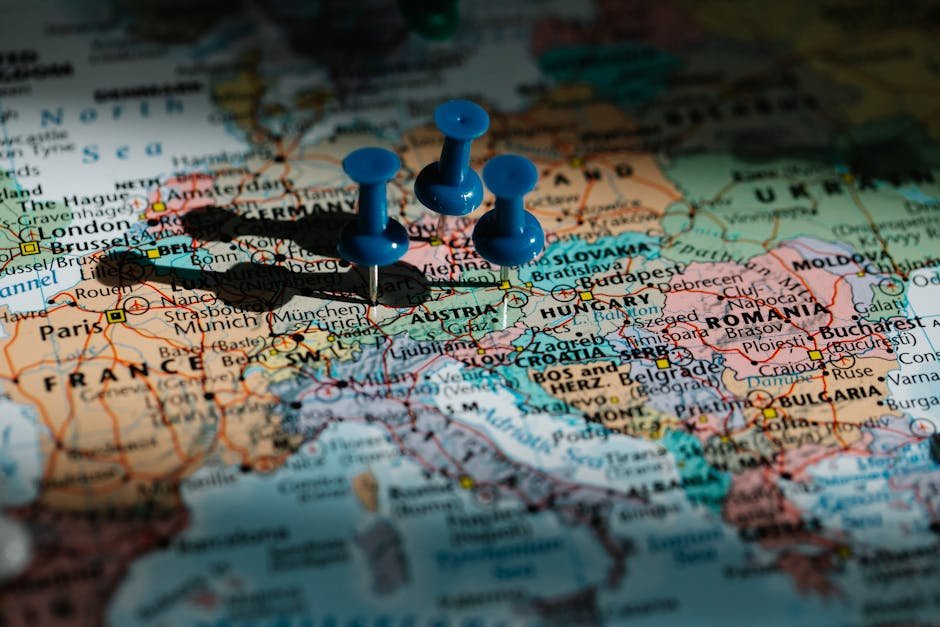
Looking to explore Europe without draining your savings? Exploring budget travel Europe reveals important insights. You’re in the right place. This year, several European destinations stand out for their affordability, rich culture, and stunning scenery—all without the steep price tags of more tourist-heavy cities. From charming Eastern European towns to underrated coastal gems in the south, these spots offer excellent value for budget-conscious travelers.
We’ve selected destinations where your money goes further: affordable accommodations, low-cost public transport, inexpensive local food, and plenty of free or low-cost attractions. Whether you’re planning a solo adventure, a couple’s getaway, or a family trip, these locations deliver authentic experiences at a fraction of the cost of Western European hotspots like Paris or Amsterdam.
In this guide, you’ll find detailed insights into seven of the best budget travel destinations in Europe this year, including average daily costs, top things to do, and practical tips to stretch your euros even further.
Why Choose Budget-Friendly Destinations in Europe?
Europe has long been seen as an expensive continent, but that reputation doesn’t apply everywhere. Many countries offer high-quality travel experiences at a fraction of the cost of their Western neighbors. Choosing a budget destination doesn’t mean sacrificing comfort or culture—it means being smart about where you spend your money.
Affordable travel in Europe often comes with fewer crowds, more authentic interactions, and a slower pace that lets you truly soak in the local atmosphere. Plus, with the euro’s strength fluctuating and some countries using their own currencies, exchange rates can work in your favor.
What Defines a “Budget” Destination?
For this guide, we define “budget” as destinations where a traveler can comfortably cover daily expenses—accommodation, meals, transport, and entry fees—for under €70 per day. This assumes mid-range hostels or budget hotels, eating at local restaurants, and using public transit.
We also prioritize places with strong infrastructure, safety, and English accessibility, so you can travel with confidence even if you don’t speak the local language.
Top Budget Travel Destinations in Europe This Year
1. Budapest, Hungary
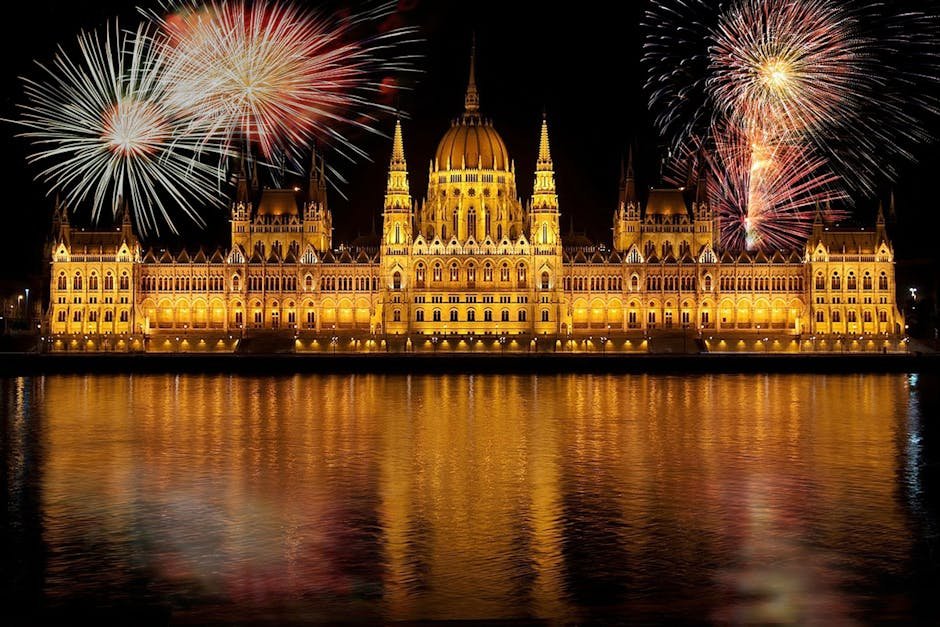
Budapest remains one of Europe’s most affordable capitals, offering a mix of history, thermal baths, and vibrant nightlife. A hearty meal at a local restaurant costs around €8–€12, and a dorm bed in a centrally located hostel starts at €12 per night.
The city’s public transport system is efficient and inexpensive, with a 72-hour pass costing just €13. Must-see attractions like Buda Castle and the Hungarian Parliament offer discounted or free entry for students and EU citizens under 26.
Why Budapest Stands Out
Budapest combines old-world charm with modern energy. The Danube River divides the city into Buda and Pest, each with its own character. Buda is hilly and historic, home to medieval architecture and panoramic views. Pest is flat and lively, packed with cafes, ruin bars, and shopping streets.
One of the biggest draws is the city’s famous thermal baths. Széchenyi Baths, located in City Park, charge around €20 for a full-day pass—far less than similar experiences in Western Europe.
Practical Tips for Visiting Budapest
- Visit in shoulder seasons (April–May or September–October) for lower prices and fewer crowds.
- Use the Budapest Card for free public transport and discounts on attractions.
- Avoid tourist traps near major sights—walk a few blocks away for better-priced meals.
2. Lisbon, Portugal
Lisbon has grown in popularity, but it’s still more affordable than other Western European capitals. A meal at a local tasca (tavern) costs around €10, and a tram ride is just €3. A night in a budget hotel or hostel averages €25–€35.
The city’s compact size makes it easy to explore on foot or by tram. Many viewpoints (miradouros) offer free panoramic views of the city and Tagus River.
Why Lisbon Is a Budget Winner
Lisbon blends coastal charm with historic neighborhoods like Alfama and Graça. The city’s colorful streets, azulejo tiles, and fado music create a unique atmosphere. Despite rising tourism, daily expenses remain manageable compared to cities like Barcelona or Rome.
Public beaches are free, and day trips to Sintra or Cascais are affordable with regional train passes. The 24-hour public transport ticket costs €6.60 and covers trams, buses, and metro.
Practical Tips for Visiting Lisbon
- Book accommodations slightly outside the city center for better rates—areas like Alcântara or Benfica are well-connected.
- Try the popular pasteis de nata from local bakeries for under €2 each.
- Visit in winter for the lowest prices, though some attractions may have reduced hours.
3. Kraków, Poland
Kraków is one of Europe’s most affordable major cities, with a rich history and lively student vibe. A three-course meal at a mid-range restaurant costs around €15, and a hostel bed starts at €10 per night.
The historic Old Town is compact and walkable, with free entry to many churches and public squares. Wawel Castle and St. Mary’s Basilica have modest entry fees, typically under €10.
Why Kraków Is a Hidden Gem
Kraków was Poland’s capital for centuries and retains a regal atmosphere. The Main Market Square is one of Europe’s largest, surrounded by cafes, shops, and street performers. The city also serves as a gateway to Auschwitz-Birkenau and the Wieliczka Salt Mine, both accessible via affordable day tours.
Poland uses the złoty, not the euro, which helps keep prices low for international visitors. English is widely spoken in tourist areas, making navigation easy.
Practical Tips for Visiting Kraków
- Visit during the week to avoid weekend crowds at major attractions.
- Use the city’s bike-sharing system or trams for cheap, efficient transport.
- Try local dishes like pierogi (dumplings) and żurek (sour rye soup) at traditional milk bars (bar mleczny).
4. Sofia, Bulgaria
Sofia, Bulgaria’s capital, is one of Europe’s least expensive capitals. A meal at a local restaurant costs around €5–€8, and a hostel bed starts at €8 per night. Public transport is ultra-cheap, with a single ticket costing just €1.
The city blends Roman ruins, Ottoman mosques, and Soviet-era architecture. Vitosha Mountain looms in the background, offering free hiking trails and panoramic views.
Why Sofia Is a Budget Traveler’s Dream
Sofia offers a mix of history, nature, and urban life at unbeatable prices. The Alexander Nevsky Cathedral is free to enter, and many museums charge less than €5. The city’s parks, like Borisova Gradina, are perfect for picnics and people-watching.
Bulgaria uses the lev, and the exchange rate remains favorable for most foreign travelers. While English is less common than in Western Europe, younger locals and service workers usually speak it well.
Practical Tips for Visiting Sofia
- Stay in the city center for walkability and access to public transport.
- Visit the Central Mineral Baths area for affordable spa experiences.
- Take a day trip to Rila Monastery—accessible by bus for under €10 round-trip.
5. Porto, Portugal
Porto, Portugal’s second-largest city, is more affordable than Lisbon and equally charming. A meal at a local restaurant costs €8–€12, and a hostel bed starts at €15. The city’s compact center is best explored on foot.
Famous for its port wine, Porto offers free tastings at many cellars across the Douro River in Vila Nova de Gaia. Entry to historic sites like the Livraria Lello bookstore costs around €8.
Why Porto Is a Great Value Destination
Porto’s colorful riverside district, Ribeira, is a UNESCO World Heritage site with narrow streets and tiled buildings. The Dom Luís I Bridge connects the old town to the wine cellars and offers stunning views.
Public transport is affordable, and the Andante ticket system allows unlimited travel across zones for a day pass of €7.20. Day trips to the Douro Valley wine region are possible by train for under €20.
Practical Tips for Visiting Porto
- Book wine cellar tours in advance to avoid long lines.
- Try francesinha, a hearty local sandwich, at a traditional tasca.
- Visit in late spring or early fall for pleasant weather and lower prices.
6. Belgrade, Serbia
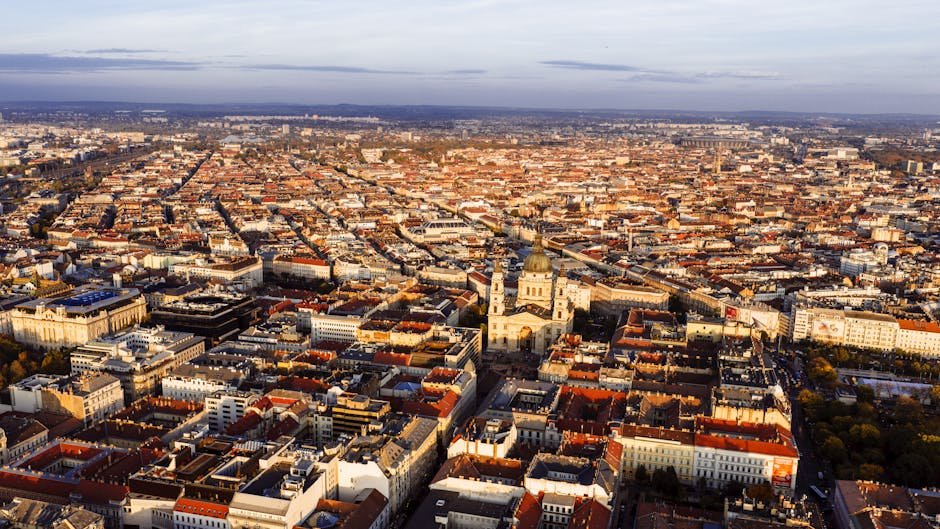
Belgrade, Serbia’s capital, is one of Europe’s most affordable cities with a dynamic nightlife and rich history. Exploring budget travel Europe reveals important insights. A meal costs around €6–€10, and a hostel bed starts at €10 per night. Public transport is cheap, with a 24-hour pass at €2.50.
The city sits at the confluence of the Danube and Sava rivers, offering scenic walks and riverfront cafes. Kalemegdan Fortress provides free entry and sweeping views of the city.
Why Belgrade Is a Rising Budget Star
Belgrade blends Balkan grit with European charm. The city’s history spans Roman, Ottoman, and Yugoslav eras, visible in its architecture and museums. Despite its affordability, Belgrade offers high-quality food, music, and hospitality.
Serbia is not in the EU and uses the dinar, which keeps prices low. English is widely spoken in the city center, especially among younger residents.
Practical Tips for Visiting Belgrade
- Explore Skadarlija, the bohemian quarter, for affordable dining and street music.
- Take a free walking tour to get oriented and learn local history.
- Visit during the summer for outdoor festivals and riverboat parties.
7. Sarajevo, Bosnia and Herzegovina
Sarajevo is one of Europe’s most historically rich and affordable capitals. A meal costs around €5–€8, and a hostel bed starts at €10. Public transport is minimal but walkable, and taxis are very cheap.
The city’s Old Bazaar, Baščaršija, is a maze of shops, mosques, and cafes. Many museums and historical sites have entry fees under €5.
Why Sarajevo Is a Cultural Bargain
Sarajevo sits at the crossroads of East and West, with influences from Ottoman, Austro-Hungarian, and Yugoslav cultures. The city’s resilience and warmth make it a memorable destination.
Bosnia and Herzegovina uses the convertible mark, and prices remain low for international visitors. While English is less common, locals are friendly and helpful.
Practical Tips for Visiting Sarajevo
- Visit the Tunnel of Hope and War Childhood Museum for powerful historical insights.
- Try ćevapi (grilled minced meat) at a local tavern for under €4.
- Take a day trip to Jajce or Mostar for under €20 by bus.
How to Stretch Your Budget Even Further
Choosing an affordable destination is just the first step. Smart travel habits can help you save even more and make your trip more enjoyable.
Book Flights and Accommodation Early
Flights to budget destinations can still spike during peak seasons. Use flight comparison tools and set price alerts. Booking 2–3 months in advance often yields the best deals.
For accommodations, consider hostels with private rooms, guesthouses, or short-term rentals. Read recent reviews to avoid overpriced or poorly located options.
Eat Like a Local
Tourist restaurants near major attractions often charge inflated prices. Walk a few blocks away to find authentic, affordable eateries. Look for daily menus (menú del día) in Spain or lunch specials in Eastern Europe.
Street food is another great option. In Budapest, try lángos (fried dough); in Lisbon, grab a bifana (pork sandwich); in Belgrade, enjoy a burek pastry.
Use Public Transport and Walk
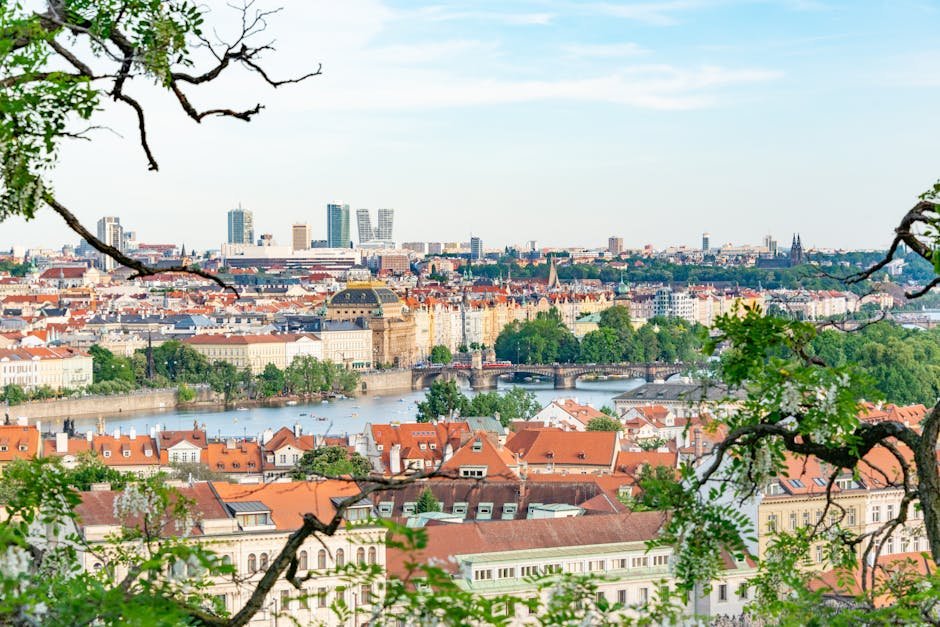
Most budget cities have excellent public transit systems. Buy multi-day passes to save money and time. In walkable cities like Kraków or Porto, you may not need transport at all.
Avoid taxis unless necessary—ride-sharing apps or local minibuses are often cheaper.
Take Advantage of Free Attractions
Many museums offer free entry on certain days or times. In Budapest, the Hungarian National Gallery is free on the first Sunday of each month. In Lisbon, municipal museums are free on the first Sunday morning.
Parks, viewpoints, and historic neighborhoods are usually free and offer some of the best experiences.
Travel Off-Peak
Peak season (June–August) brings higher prices and crowds. Shoulder seasons (April–May and September–October) offer mild weather, lower prices, and fewer tourists. Winter can be the cheapest, though some attractions may close.
Common Mistakes to Avoid
Even in budget destinations, it’s easy to overspend if you’re not careful. Avoid these common pitfalls:
Over-Tipping
In many European countries, tipping is not expected or is much lower than in the U.S. In Poland or Hungary, rounding up the bill is sufficient. In restaurants with service charges, additional tipping is unnecessary.
Using Airport Taxis
Airport taxis are often overpriced. Use public transport or pre-book a transfer. In Sofia, the metro from the airport costs €1; in Lisbon, the AeroBus is €4.
Buying Bottled Water
In most European cities, tap water is safe to drink. Carry a reusable bottle to save money and reduce plastic waste. Many cities have public fountains with drinkable water.
Final Thoughts
Europe offers incredible value for budget travelers willing to look beyond the usual tourist hubs. From the thermal baths of Budapest to the historic streets of Sarajevo, these destinations prove that affordability doesn’t mean compromise.
With smart planning and local insights, you can enjoy rich cultural experiences, delicious food, and unforgettable memories—all while staying within your budget. Start planning your trip today and discover a side of Europe that’s both accessible and authentic.
FAQ
What is the cheapest time of year to travel to Europe?
The cheapest time is typically late autumn (October–November) or winter (January–February), excluding holidays. Prices rise in summer and during major festivals. Shoulder seasons (April–May and September) offer a good balance of weather and cost.
Do I need a visa to visit these budget destinations?
It depends on your nationality. EU citizens can travel freely within the Schengen Area. U.S., Canadian, Australian, and UK citizens can visit most of these countries for short stays without a visa, but check entry requirements based on your passport.
Is it safe to travel to Eastern Europe on a budget?
Yes, most budget destinations in Eastern Europe are safe for travelers. Petty crime like pickpocketing can occur in tourist areas, so stay aware of your surroundings. Research local customs and emergency numbers before you go.