

Best Places to Visit in Tanzania for Safari Lovers
Best Places to Visit in Tanzania for Safari Lovers
Tanzania is one of Africa’s top safari destinations, offering some of the most diverse and breathtaking wildlife experiences on the continent. From the vast plains of the Serengeti to the volcanic craters of Ngorongoro, the country delivers unforgettable encounters with the Big Five and beyond. Whether you’re a first-time visitor or a seasoned safari enthusiast, Tanzania’s protected areas provide unparalleled opportunities to witness nature in its rawest form. This guide highlights the best places to visit in Tanzania for safari lovers, helping you plan an adventure that balances wildlife density, scenic beauty, and authentic cultural experiences.
Why Tanzania Stands Out for Safari Adventures
Tanzania’s reputation as a premier safari destination is built on decades of conservation success and well-managed national parks. The country hosts over 17 national parks and numerous game reserves, covering nearly 25% of its land area. This commitment to preservation ensures healthy populations of lions, elephants, leopards, rhinos, and buffalo—collectively known as the Big Five.
Unlike some neighboring countries, Tanzania limits tourist numbers in key areas, reducing overcrowding and maintaining a more intimate wildlife experience. The dry season from June to October offers optimal game viewing, as animals gather around water sources. Meanwhile, the Great Migration—a year-round phenomenon—peaks in different regions depending on the season, making Tanzania one of the few places where you can witness this natural spectacle multiple times annually.
Top Safari Destinations in Tanzania
1. Serengeti National Park
The Serengeti is Tanzania’s most famous park and a cornerstone of any safari itinerary. Spanning 14,750 square kilometers, it’s home to the largest terrestrial mammal migration on Earth. Over 1.5 million wildebeest and 250,000 zebras traverse its grasslands annually in search of fresh grazing.
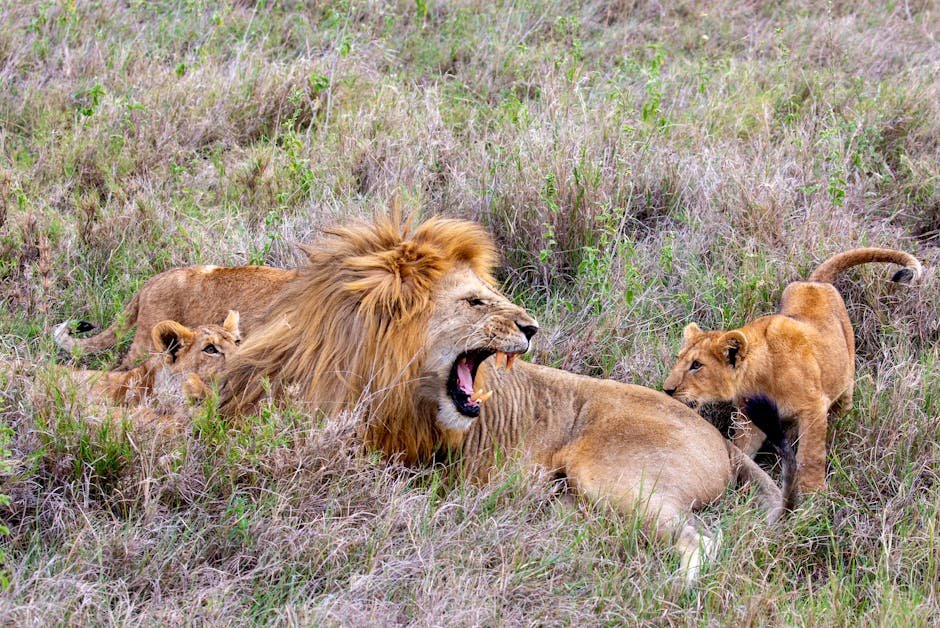
Wildlife sightings here are consistent year-round. Predators like lions, cheetahs, and hyenas thrive due to the abundance of prey. The southern Serengeti sees peak migration activity between December and March, while the western corridor is best from July to September. Northern Serengeti, near the Mara River, is ideal for witnessing dramatic river crossings from August to October.
For a more exclusive experience, consider staying in a mobile tented camp that moves with the migration. These camps offer front-row seats to one of nature’s greatest shows without the crowds of permanent lodges.
2. Ngorongoro Crater
Often called the “Eighth Wonder of the World,” the Ngorongoro Crater is a UNESCO World Heritage Site and one of the most densely populated wildlife areas on the planet. Formed by a collapsed volcano, the crater floor spans 260 square kilometers and creates a natural enclosure for thousands of animals.
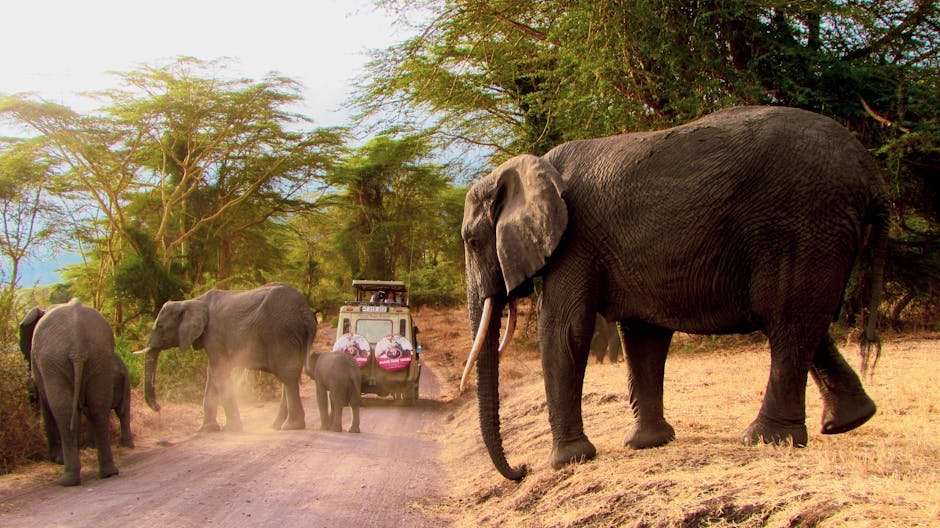
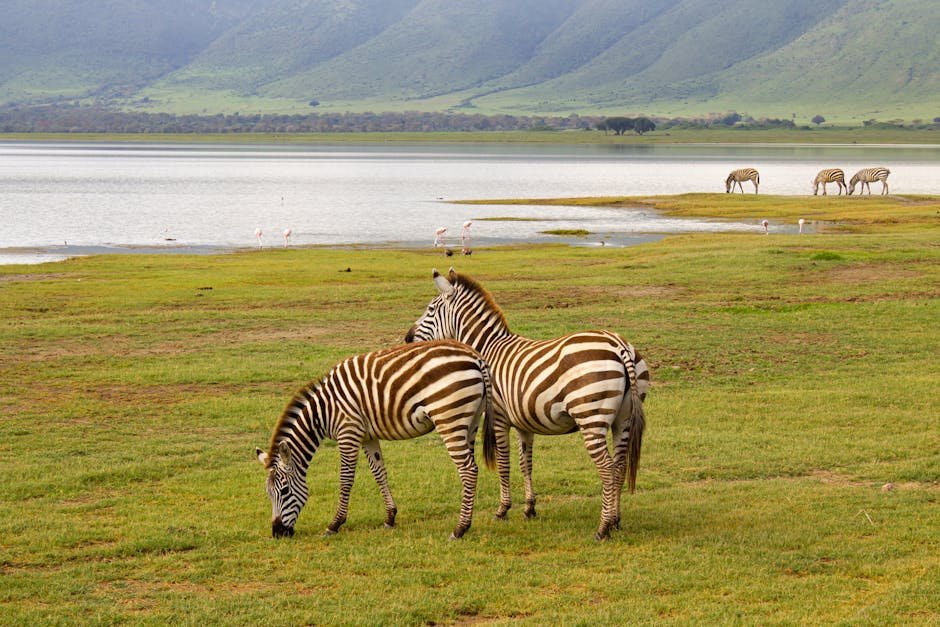
Visitors can expect close encounters with elephants, black rhinos, hippos, and large prides of lions. The crater’s alkaline lake attracts flocks of flamingos, adding a splash of color to the landscape. Because access is limited to a single day per vehicle, the experience remains uncrowded and immersive.
Entry fees are higher than other parks, but the unique geography and high concentration of wildlife justify the cost. Combine your visit with a stop at the nearby Olduvai Gorge, a paleoanthropological site where early human fossils were discovered.
3. Selous Game Reserve (Nyerere National Park)
Selous, recently renamed Nyerere National Park, is one of Africa’s largest protected areas and a hidden gem for travelers seeking solitude. At over 30,000 square kilometers, it’s larger than Switzerland and far less visited than the Serengeti.
The Rufiji River cuts through the reserve, supporting hippos, crocodiles, and a variety of bird species. Boat safaris along the river offer a different perspective on wildlife, complementing traditional game drives. Walking safaris are permitted here—a rare treat in Tanzania—allowing for intimate encounters with tracks, insects, and smaller fauna.
Selous is ideal for multi-day fly-in safaris or combining with beach destinations like Zanzibar. Its remote location means fewer tourists and a more adventurous feel, perfect for those who want to escape the beaten path.
4. Ruaha National Park
Ruaha is Tanzania’s second-largest national park and a favorite among experienced safari-goers. Located in the remote southern circuit, it’s known for its rugged terrain, baobab-studded plains, and high density of large predators.
The Great Ruaha River sustains wildlife during the dry season, drawing elephants, lions, and rare species like the sable antelope. Birdwatchers will find over 570 species recorded in the park, including the endemic Ashy Starling.
Due to its distance from Arusha and limited infrastructure, Ruaha sees far fewer visitors than northern parks. This isolation translates into a raw, unfiltered safari experience. Best visited from June to October, it’s ideal for travelers seeking authenticity over luxury.
5. Tarangire National Park
Tarangire is often overlooked but deserves a spot on every safari itinerary. Famous for its massive elephant herds and ancient baobab trees, the park transforms during the dry season when animals migrate from surrounding areas to the Tarangire River.
From June to October, thousands of zebras, wildebeest, and gazelles converge here, followed by lions and leopards. The park’s network of swamps supports diverse birdlife, including the striking yellow-collored lovebird.
Because it’s close to Arusha and less crowded than the Serengeti, Tarangire is a great addition to a northern circuit safari. Consider a night game drive—permitted here—to spot nocturnal species like bushbabies and genets.
6. Lake Manyara National Park
Though smaller than other parks, Lake Manyara packs a punch in terms of biodiversity. The alkaline lake covers two-thirds of the park and attracts thousands of flamingos, pelicans, and storks. Tree-climbing lions are a signature sighting, though sightings are never guaranteed.
The groundwater forest in the north is home to baboons, blue monkeys, and occasional leopards. The park’s compact size makes it ideal for a half-day or full-day safari, often included as a stop between Arusha and the Ngorongoro Highlands.
Lake Manyara is best visited during the dry season when animals are easier to spot. It’s also one of the few parks where you can combine a safari with a cultural visit to a local Maasai village.
Best Time to Visit Tanzania for a Safari
The timing of your safari greatly affects wildlife visibility and overall experience. Tanzania has two main seasons: dry and wet. The dry season, from June to October, is widely considered the best time for game viewing. Animals congregate around permanent water sources, making them easier to spot.
The wet season, from November to May, brings lush landscapes and newborn animals. While some roads may become impassable, this period offers lower prices and fewer crowds. The short rains in November and the long rains from March to May can disrupt travel plans, so flexibility is key.
If witnessing the Great Migration is your priority, plan around the wildebeest’s movement. The herds are in the southern Serengeti from January to March, cross the Grumeti River in June, and reach the northern Serengeti and Kenya’s Maasai Mara from July to October.
Safari Types and Accommodation Options
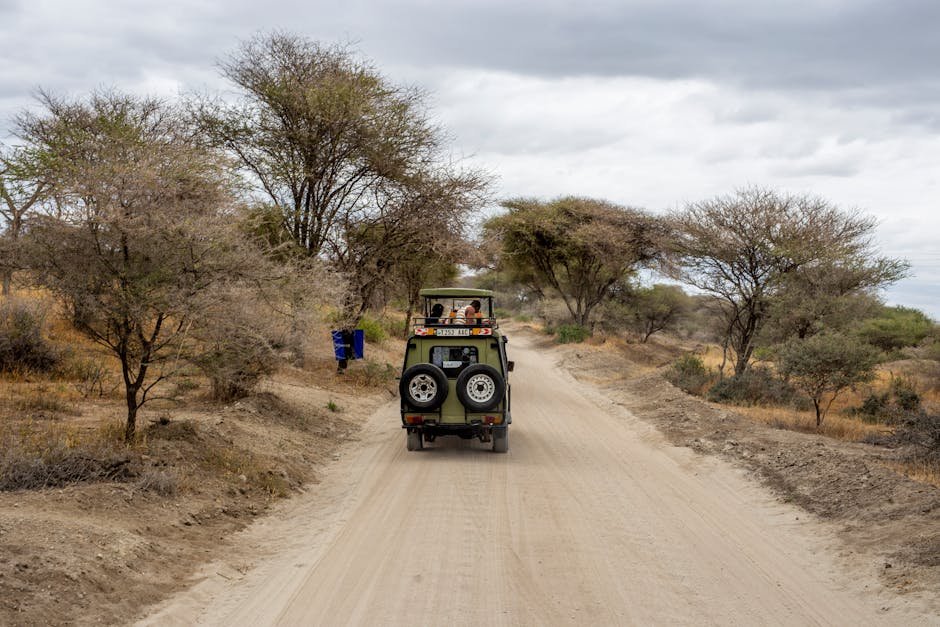
Tanzania offers a range of safari styles to suit different budgets and preferences. Classic game drives in 4×4 vehicles are the most common, allowing access to remote areas with a knowledgeable guide. For a different perspective, try a hot air balloon safari over the Serengeti at sunrise—though this comes at a premium price.
Walking safaris are available in select parks like Selous and Ruaha, offering a slower, more immersive experience. Boat safaris on the Rufiji River or Lake Manyara add variety and access to aquatic wildlife.
Accommodation ranges from luxury lodges with spa services to basic tented camps with bucket showers. Mobile camps offer flexibility and proximity to wildlife, while permanent lodges provide comfort and amenities. Always book in advance, especially during peak season.
Planning Your Tanzania Safari: Practical Tips
Start by deciding how many days you can dedicate to your safari. A minimum of five days is recommended to visit two to three parks without feeling rushed. Most itineraries begin and end in Arusha, the safari capital of Tanzania.
Choose a reputable tour operator with licensed guides and positive reviews. Avoid unlicensed guides or last-minute bookings, which can lead to poor experiences or safety issues. Confirm that your operator includes park fees, transportation, meals, and accommodation in the quoted price.
Pack neutral-colored clothing, a wide-brimmed hat, sunscreen, binoculars, and a good camera with extra batteries. Avoid bright colors and perfumes, as they can disturb animals. Malaria prophylaxis is recommended, and yellow fever vaccination is required for entry.
Respect park rules: stay in your vehicle, maintain a safe distance from animals, and never feed wildlife. Noise and littering are strictly prohibited. These guidelines protect both visitors and the ecosystem.
Cultural and Conservation Experiences
A safari in Tanzania isn’t just about animals—it’s also an opportunity to engage with local communities and conservation efforts. Visiting a Maasai village offers insight into traditional lifestyles, though choose community-run tours to ensure benefits go directly to residents.
Many lodges and operators support conservation projects, such as anti-poaching units or wildlife monitoring programs. Some offer volunteer opportunities or donations to local schools and clinics. Inquire about these initiatives when booking your trip.
Supporting eco-friendly accommodations and responsible tourism helps preserve Tanzania’s natural heritage. Look for properties with solar power, water recycling, and local hiring practices.
Combining Safari with Other Experiences
Tanzania’s diverse landscape allows for seamless combinations of safari and other adventures. After exploring the Serengeti and Ngorongoro, unwind on the white-sand beaches of Zanzibar. The island offers snorkeling, spice tours, and historic Stone Town exploration.
For a more active trip, consider climbing Mount Kilimanjaro, Africa’s highest peak. Most treks begin near Arusha and can be scheduled before or after your safari. The Machame and Lemosho routes are popular for their scenic beauty and success rates.
Alternatively, visit the coastal town of Bagamoyo for dhow sailing or the Usambara Mountains for hiking and cultural immersion. These add-ons enrich your journey and showcase Tanzania’s full range of offerings.
Frequently Asked Questions
What is the best time of year to see the Great Migration in Tanzania?
The Great Migration is a year-round event, but the best time depends on location. Witness calving in the southern Serengeti from January to March, river crossings in the north from July to October, and the western corridor from June to July.
Do I need a visa to visit Tanzania for a safari?
Yes, most visitors require a visa. Tourist visas can be obtained online, at embassies, or on arrival at major airports. Ensure your passport is valid for at least six months beyond your travel dates.
Is it safe to go on a safari in Tanzania?
Yes, Tanzania is generally safe for tourists. National parks are well-patrolled, and reputable operators prioritize safety. Follow your guide’s instructions, avoid walking alone, and secure valuables in lodges.