

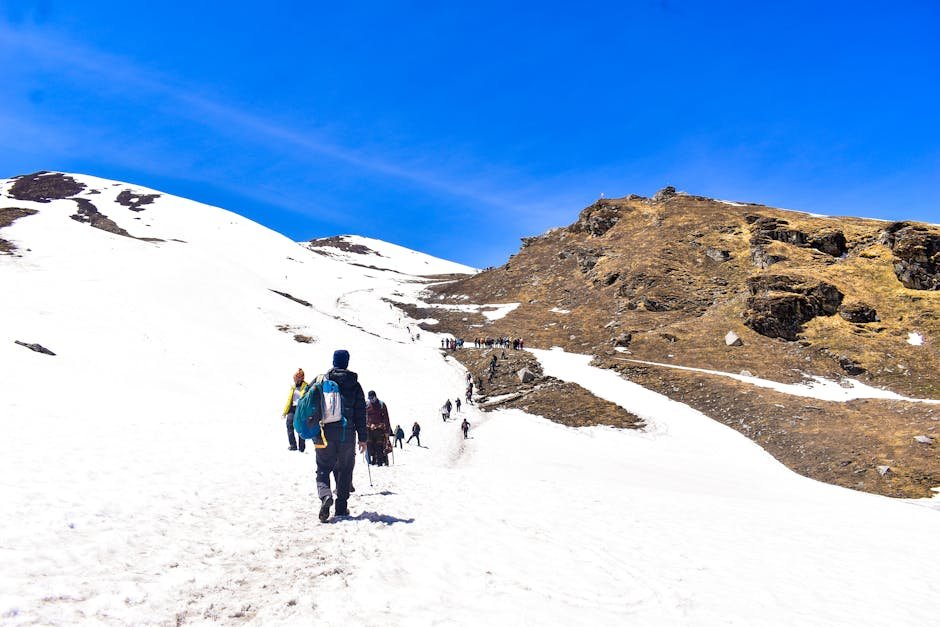
Top Trekking Destinations for Mountain Lovers Guide
Top Trekking Destinations for Mountain Lovers Guide
For mountain lovers seeking adventure, solitude, and breathtaking views, trekking offers an unmatched way to connect with nature. This guide highlights the world’s most rewarding trekking destinations—from snow-capped Himalayan peaks to rugged Andean trails. Whether you’re a beginner or an experienced hiker, these locations offer diverse terrains, rich cultures, and unforgettable experiences. Each destination includes practical details like difficulty level, best time to visit, and what to expect on the trail.
The Himalayas: Where Trekking Meets the Sky
The Himalayas remain the crown jewel of mountain trekking, drawing adventurers from across the globe. With towering peaks, ancient monasteries, and vibrant local cultures, this region offers some of the most iconic trails on Earth.
Everest Base Camp, Nepal
The Everest Base Camp trek is one of the most famous mountain journeys in the world. Spanning approximately 130 kilometers round-trip, it takes about 12–14 days to complete.
Trekkers pass through Sherpa villages, cross suspension bridges over glacial rivers, and visit Tengboche Monastery. The trail reaches 5,364 meters at Kala Patthar, offering panoramic views of Everest, Lhotse, and Nuptse.
Best time to go: March to May and September to November. Avoid monsoon season (June–August) and harsh winter months. Acclimatization is critical—plan rest days in Namche Bazaar and Dingboche.
Permits required: Sagarmatha National Park entry permit and TIMS card. Hire a local guide or porter for safety and cultural insight.
Markha Valley, Ladakh, India
The Markha Valley trek in Ladakh blends high-altitude beauty with Tibetan Buddhist culture. This 70-kilometer route typically takes 7–9 days and reaches a maximum elevation of 5,200 meters.
Trekkers cross high mountain passes, camp near remote villages, and visit ancient gompas. The landscape shifts from arid deserts to lush river valleys, offering dramatic visual contrast.
Best time to go: June to September. Nights are cold even in summer, so pack warm sleeping gear. The region is remote—ensure you have satellite communication and a reliable guide.
This trek is moderate in difficulty but requires good physical fitness. Altitude sickness is a risk, so ascend gradually and stay hydrated.
The Andes: South America’s Rugged Backbone
Stretching along South America’s western edge, the Andes offer some of the continent’s most diverse and challenging trekking experiences. From cloud forests to high-altitude plateaus, the range delivers stunning scenery and cultural depth.
Huayna Potosí, Bolivia
For those seeking a high-altitude challenge without technical climbing, Huayna Potosí (6,088 meters) is an excellent choice. Located near La Paz, this glaciated peak is accessible to fit trekkers with basic mountaineering skills.
The standard route involves two days of trekking and one summit attempt. Most climbers use crampons and ice axes, often with a certified guide. The reward is a 360-degree view of the Cordillera Real and Lake Titicaca.
Best time to go: May to September, during the dry season. Winter months bring heavy snow and increased avalanche risk. Training at altitude or in cold conditions is recommended.
This trek is not for beginners. Prior high-altitude experience and physical conditioning are essential. Always go with a licensed operator.
Torres del Paine W-Trek, Chile
The W-Trek in Torres del Paine National Park is one of Patagonia’s most popular multi-day hikes. Covering about 70 kilometers over 5–7 days, it showcases granite towers, turquoise lakes, and glacial valleys.
Key stops include the Base of the Towers, Grey Glacier, and the French Valley. Wildlife sightings may include guanacos, foxes, and Andean condors.
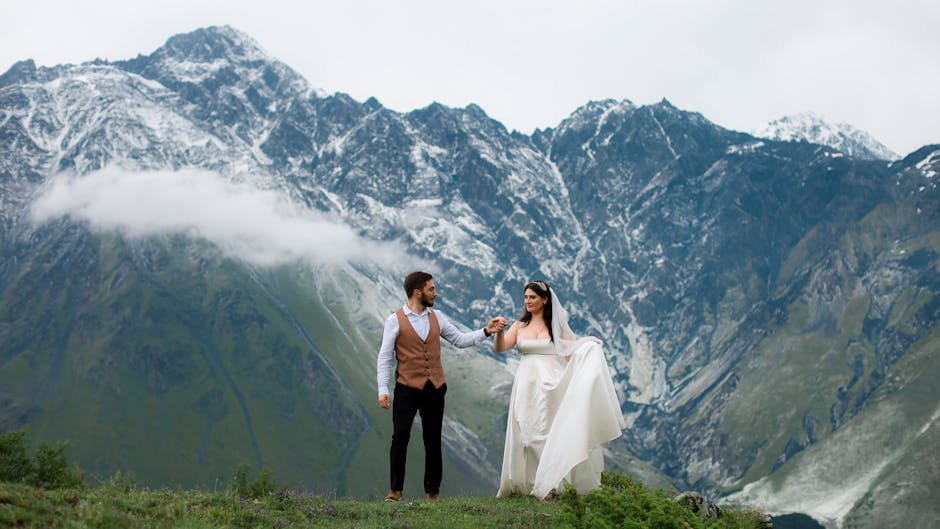
Best time to go: November to March. Weather is unpredictable—prepare for wind, rain, and sudden temperature drops. Book refugios (mountain huts) well in advance.
The trail is well-marked and maintained, but river crossings and exposed ridges require caution. Pack waterproof gear and a sturdy tent if camping.
The Alps: Europe’s Classic Mountain Playground
The European Alps have long been a favorite among trekkers for their accessibility, infrastructure, and scenic variety. From gentle alpine meadows to challenging high passes, the range suits all experience levels.
Haute Route, France to Switzerland
The Haute Route from Chamonix to Zermatt is a classic alpine trek linking two of Europe’s most famous mountain towns. The 180-kilometer route typically takes 10–14 days.
Trekkers cross high cols, traverse glaciers, and stay in mountain refuges with meals and beds. Highlights include the views of the Matterhorn and Mont Blanc massif.
Best time to go: Late June to September. Snow can linger at higher elevations into July. Check trail conditions before departure.
This trek is strenuous and requires excellent fitness. Navigation skills are helpful, though the trail is well-signed. Consider hiring a guide for glacier sections.
Tour du Mont Blanc, France, Italy, Switzerland
Circling the Mont Blanc massif, this 170-kilometer trek passes through three countries and offers diverse landscapes and cultures. Most hikers complete it in 10–12 days.
The route includes alpine pastures, dense forests, and charming villages like Courmayeur and Champex. Accommodations range from mountain huts to hotels.
Best time to go: Mid-June to mid-September. Crowds peak in July and August—start early to avoid congestion. Book refuges ahead of time.
The trail is moderate in difficulty but involves significant elevation gain and loss. Trekking poles and good boots are recommended. Altitude is rarely an issue, but weather can change quickly.
North America: From Rockies to Appalachians
North America offers a wide range of trekking experiences, from rugged wilderness to well-maintained national park trails. Whether you prefer solitude or scenic diversity, there’s a mountain trail for you.
John Muir Trail, USA
Spanning 340 kilometers through California’s Sierra Nevada, the John Muir Trail (JMT) is one of America’s most celebrated long-distance hikes. It runs from Yosemite Valley to Mount Whitney, the highest peak in the contiguous U.S.
Most hikers take 20–25 days to complete the full trail. Highlights include Evolution Valley, Muir Pass, and the final ascent of Whitney. Permits are highly competitive—apply early through the lottery system.
Best time to go: July to September. Snow can block high passes into June and return by October. Carry a bear canister—required in most sections.
This trek is physically demanding and logistically complex. Resupply points are limited, so plan food drops or use pack mules. Navigation skills are essential.
Skyline Trail, Jasper National Park, Canada
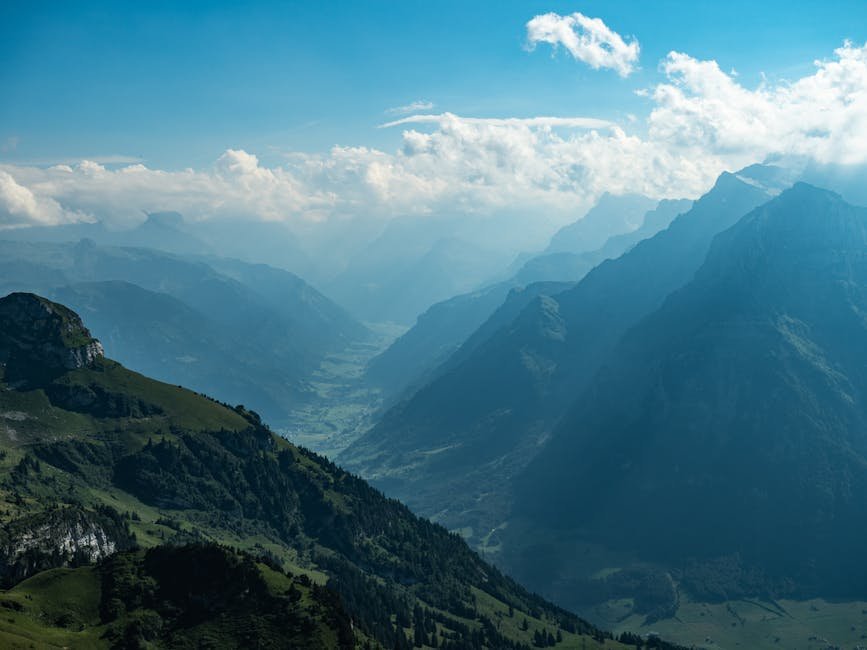
The Skyline Trail in Jasper is a 44-kilometer loop that offers some of the best alpine scenery in the Canadian Rockies. Most hikers complete it in 2–3 days.
The trail features panoramic views of glaciers, valleys, and jagged peaks. Wildlife includes elk, black bears, and bighorn sheep. Camping is only allowed at designated sites.
Best time to go: Late June to mid-September. Snow can linger on the trail into July. Check park conditions before heading out.
The trail is well-maintained but steep in sections. Hiking poles and sturdy footwear are advised. Bear spray is recommended due to frequent bear activity.
Africa: The Roof of the Continent
Africa’s mountain ranges offer unique trekking experiences, from volcanic craters to ancient cultures. While less developed than other regions, they reward adventurers with raw beauty and authenticity.
Mount Kilimanjaro, Tanzania
Mount Kilimanjaro is Africa’s highest peak and one of the Seven Summits. The trek to Uhuru Peak (5,895 meters) is non-technical but requires careful acclimatization.
Popular routes include Machame (6–7 days), Lemosho (7–8 days), and the longer Northern Circuit. The Machame route is scenic but steep; Lemosho offers better acclimatization.
Best time to go: January to March and June to October. Avoid rainy seasons (April–May and November). Choose a longer route to increase summit success rates.
Altitude sickness is the biggest challenge. Climb high, sleep low, and listen to your body. Use a reputable tour operator with experienced guides.
Mount Kenya, Kenya
Mount Kenya, the country’s highest peak at 5,199 meters, offers a challenging trek with alpine scenery and unique wildlife. The Sirimon and Chogoria routes are the most popular.
The trek typically takes 5–7 days. Trekkers pass through bamboo forests, alpine moorlands, and glacial valleys. The final ascent to Point Lenana (4,985 meters) is non-technical but steep.
Best time to go: January to March and July to October. Weather is more stable during these months. Nights are cold—pack warm clothing.
This trek is less crowded than Kilimanjaro but still requires preparation. Hire a local guide and porter. Permits are required and can be obtained through the Kenya Wildlife Service.
New Zealand: Adventure in the Southern Alps
New Zealand’s South Island is a trekker’s paradise, with dramatic landscapes shaped by glaciers and tectonic activity. The country offers well-marked trails, huts, and a strong outdoor culture.
Routeburn Track, South Island
The Routeburn Track is one of New Zealand’s Great Walks, spanning 32 kilometers over 2–4 days. It connects Mount Aspiring and Fiordland National Parks.
Trekkers cross Harris Saddle (1,255 meters), offering views of the Darran Mountains and Lake McKerrow. The trail features waterfalls, beech forests, and alpine meadows.
Best time to go: Late October to April. Winter snow closes the trail. Book huts or campsites well in advance—this is a popular route.
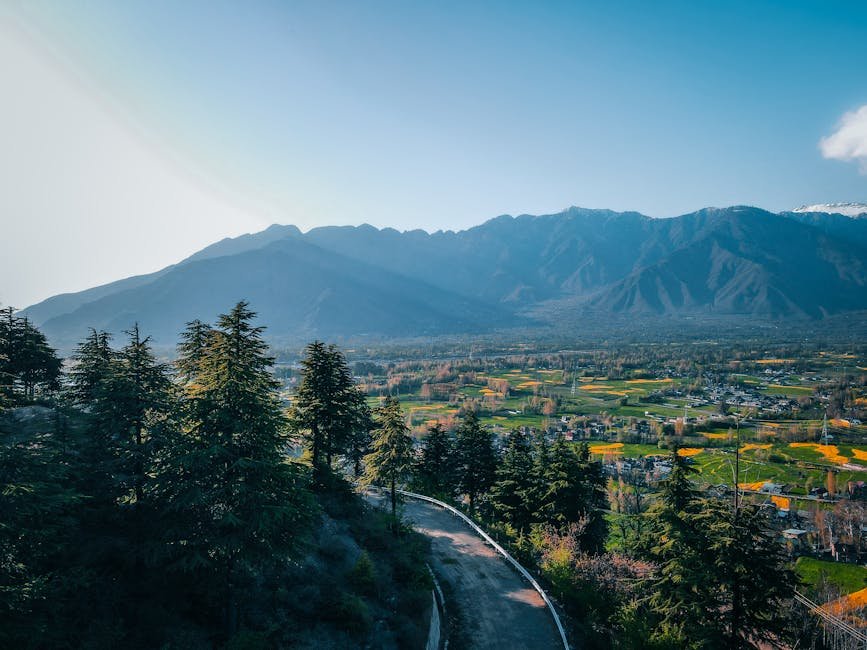
The track is well-maintained and suitable for most fitness levels. Weather can change rapidly—carry waterproof gear and a map. No technical skills required.
Milford Track, South Island
Often called the “finest walk in the world,” the Milford Track is a 53.5-kilometer journey from Te Anau to Milford Sound. It takes 4 days and is fully guided or self-guided with bookings.
Highlights include Sutherland Falls (one of the world’s tallest waterfalls), Mackay Falls, and the Mackinnon Pass. The trail ends with a boat ride through Milford Sound.
Best time to go: October to April. The track is closed in winter. Bookings open 13 months in advance—plan early.
This trek is moderate but involves river crossings and steep sections. Huts provide beds and meals. Pack light but include rain gear—Milford is one of the wettest places in New Zealand.
Tips for Choosing Your Next Trek
With so many options, selecting the right trek depends on your experience, fitness, and goals. Consider elevation, duration, terrain, and climate.
Beginners should start with well-marked, lower-elevation trails like the Tour du Mont Blanc or Routeburn Track. Experienced trekkers may prefer high-altitude challenges like Kilimanjaro or Huayna Potosí.
Research permits, weather patterns, and required gear. Always check travel advisories and local conditions before departure.
Hire local guides when possible—they enhance safety, provide cultural context, and support the local economy. Pack responsibly: follow Leave No Trace principles and carry out all waste.
Safety and Preparation
Mountain trekking carries inherent risks, including altitude sickness, weather changes, and injuries. Proper preparation reduces these dangers.
Train in advance with weighted hikes and cardio workouts. Practice using gear like trekking poles, crampons, or ice axes if needed.
Carry a first-aid kit, emergency shelter, and communication device. Learn basic navigation and weather reading skills.
Inform someone of your itinerary and expected return. In remote areas, satellite messengers like Garmin inReach are invaluable.
Respect local customs and environmental rules. In many regions, drones are prohibited, and camping is restricted to designated areas.
Final Thoughts
The world’s top trekking destinations offer more than stunning views—they provide transformative experiences that challenge the body and refresh the spirit. From the Himalayas to the Andes, each trail tells a story of resilience, beauty, and human connection to the wild.
Whether you’re drawn to high-altitude summits or serene alpine valleys, there’s a mountain path waiting for you. Plan carefully, prepare thoroughly, and tread lightly. The mountains will reward your effort with memories that last a lifetime.
FAQ
What is the best time of year for high-altitude trekking?
The best time varies by region. In the Himalayas and Andes, aim for dry seasons—typically spring and fall. In the Alps and New Zealand, summer months (June–September and December–February, respectively) offer the most stable weather.
Do I need a guide for mountain trekking?
It depends on the trail. Popular routes like the Tour du Mont Blanc have clear signage and huts, making self-guided trekking feasible. Remote or high-altitude treks, such as Kilimanjaro or Huayna Potosí, are safer and more enjoyable with a certified guide.
How can I prevent altitude sickness while trekking?
Ascend gradually, allowing time for acclimatization. Drink plenty of water, avoid alcohol, and consider medications like acetazolamide if recommended by a doctor. Recognize symptoms—headache, nausea, dizziness—and descend if they worsen.