


How to Pack Light for Long Trips Without Missing Items
How to Pack Light for Long Trips Without Missing Items
Packing light for long trips doesn’t mean sacrificing comfort or essentials. Exploring pack light long trips reveals important insights. With smart planning and a few proven strategies, you can travel efficiently while still having everything you need. The key is prioritizing versatility, minimizing duplicates, and organizing your belongings to maximize space and accessibility. Whether you’re backpacking across Europe, road-tripping through national parks, or spending weeks in Southeast Asia, this guide will help you pack smart—without overpacking.
Most travelers pack 30–50% more than necessary, often because they overestimate needs or fear being unprepared. But overpacking leads to heavier bags, extra fees, and unnecessary stress. By focusing on a capsule wardrobe, multi-use items, and strategic packing methods, you can cut your load significantly. This guide walks you through a step-by-step process to pack light for extended travel, ensuring you bring only what matters—without forgetting critical items.
Start with a Packing Mindset
Before opening your suitcase, shift your mindset. Traveling light isn’t about deprivation—it’s about intentionality. Every item you bring should earn its place. Ask yourself: Will I use this at least three times? Can it serve more than one purpose? Is it replaceable at my destination?
Adopting a minimalist approach doesn’t mean you’ll be uncomfortable. It means you’re choosing quality over quantity. A well-made pair of travel pants, for example, can be worn for hiking, dining out, or sightseeing. One versatile outfit beats three single-use ones.
Define Your Trip’s Needs
Your packing list depends on destination, climate, activities, and trip length. A two-week trek in Patagonia requires different gear than a business trip to Tokyo. Start by listing your daily activities: Will you be hiking, attending meetings, swimming, or exploring cities?
Consider the weather. Check average temperatures and precipitation for your travel dates. A rainy week in London means waterproof layers; a dry desert trek in Morocco calls for sun protection and breathable fabrics. Don’t forget time zones and laundry access—can you wash clothes mid-trip?
Set a Weight and Size Limit
Most airlines allow 20–23 kg (44–50 lbs) for checked bags and 7–10 kg (15–22 lbs) for carry-ons. But for long trips, aim lower. A 12–15 kg (26–33 lbs) total load is manageable and leaves room for souvenirs.
Use a lightweight, durable suitcase or backpack. Hard-shell suitcases protect but add weight; soft-shell bags are lighter and more flexible. Rolling suitcases work for cities with smooth sidewalks; backpacks are better for uneven terrain or frequent transfers.
Build a Capsule Wardrobe
A capsule wardrobe consists of a few high-quality, mix-and-match pieces that work across multiple outfits. For a two-week trip, aim for 5–7 tops, 3–4 bottoms, 1–2 dresses or jumpsuits (if applicable), and 1–2 outer layers.
Choose neutral colors—black, gray, navy, beige—that pair easily. Add one or two accent colors for variety. Fabrics matter: merino wool resists odor, dries quickly, and regulates temperature. Synthetic blends wick moisture but may retain smell. Cotton is comfortable but slow-drying.
Layer Smartly
Layering lets you adapt to changing conditions without overpacking. Start with a base layer (moisture-wicking shirt), add a mid-layer (fleece or light sweater), and top with a weather-resistant shell (windbreaker or light jacket).
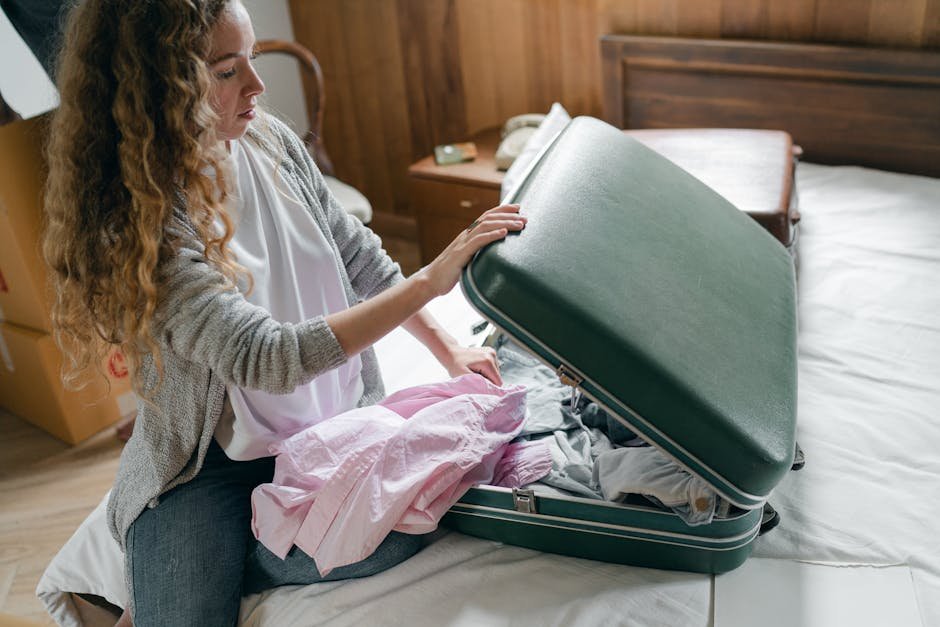
For cold climates, pack a packable down jacket. It’s lightweight, compresses small, and provides excellent insulation. Avoid bulky sweaters—they take up space and aren’t as efficient. A merino wool base layer can be worn multiple days without washing.
Limit Shoes to 2–3 Pairs
Shoes are heavy and take up space. Most travelers only need two pairs: one for walking/exploring and one for dressier occasions. Choose lightweight, comfortable walking shoes with good support. Sandals work for warm climates or beach destinations.
Wear your bulkiest shoes on the plane. If you’re bringing boots, wear them during travel. For formal events, pack sleek, foldable flats or low heels. Avoid bringing more than three pairs—each additional pair adds 1–2 kg and reduces outfit flexibility.
Choose Multi-Use Items
Every item in your bag should serve at least one primary function—and ideally, a secondary one. A sarong can be a beach cover-up, picnic blanket, scarf, or towel. A bandana works as a headband, dust mask, or emergency sling.
Opt for gear that does double duty. A travel towel that doubles as a yoga mat. A phone case with a built-in stand and card holder. A water bottle with a built-in filter. These small efficiencies add up over long trips.
Toiletries: Less Is More
Toiletries are a common source of overpacking. Most destinations have drugstores or supermarkets. Buy basics like shampoo, toothpaste, and deodorant locally. This saves space and avoids spills.
Bring travel-sized containers for essentials: toothbrush, floss, razor, and any prescription medications. Use solid toiletries—shampoo bars, soap, deodorant sticks—which are lighter, leak-proof, and TSA-friendly. A small toiletry bag with compartments keeps things organized.
Electronics: Keep It Minimal
You don’t need every gadget. One smartphone handles photos, maps, communication, and entertainment. A compact power bank keeps devices charged on the go. A universal travel adapter works in most countries.
Avoid bringing a laptop unless necessary. Tablets are lighter and sufficient for emails and streaming. Leave gaming consoles, e-readers (if your phone works), and extra cameras at home. Each device adds weight and requires charging.
Use Packing Techniques That Save Space
How you pack matters as much as what you pack. Exploring pack light long trips reveals important insights. Efficient organization prevents wrinkles, saves space, and makes finding items easier. Use these proven methods:
Roll, Don’t Fold
Rolling clothes reduces wrinkles and maximizes space. It also allows you to see all items at once. Roll T-shirts, pants, and underwear tightly. Place rolled items vertically in your bag like books on a shelf.
For dress shirts or blouses, use the bundle wrap method: lay the item flat, place other rolled clothes on top, and wrap tightly. This minimizes creases and keeps everything secure.
Use Packing Cubes
Packing cubes compress clothes and keep categories separate. Use one cube for tops, another for bottoms, and a third for underwear and socks. Compression cubes can reduce volume by up to 50%.
Choose cubes with mesh tops for visibility and breathability. Hard-sided organizers protect fragile items like electronics or toiletries. Label cubes if you’re traveling with others to avoid mix-ups.
Fill Empty Spaces
Use every inch. Stuff socks and underwear inside shoes. Place chargers and cables in empty toiletry bottles. Use the space around your laptop for small items like passports or snacks.
Avoid leaving air pockets. A tightly packed bag is more stable and less likely to shift during travel. It also deters theft—bulging bags attract attention.
Plan for Laundry and Repairs
You don’t need a fresh outfit every day. Plan to do laundry every 5–7 days. Bring a small sink stopper, travel detergent sheets, and a clothesline. Many hostels and hotels have laundry facilities.
Pack a basic repair kit: safety pins, spare buttons, a small needle and thread, and a patch for fabric tears. A mini sewing kit fits in a toiletry bag and can save a torn strap or loose hem.
Know Local Shopping Options
Most destinations have affordable clothing and essentials. If you forget something—sunscreen, a hat, a charger—you can buy it locally. This reduces the need to overpack “just in case.”
Research stores near your accommodation. In Europe, drugstores like dm or Rossmann carry travel-sized toiletries. In Asia, convenience stores sell everything from socks to phone chargers. In the U.S., Walmart and Target are reliable for basics.
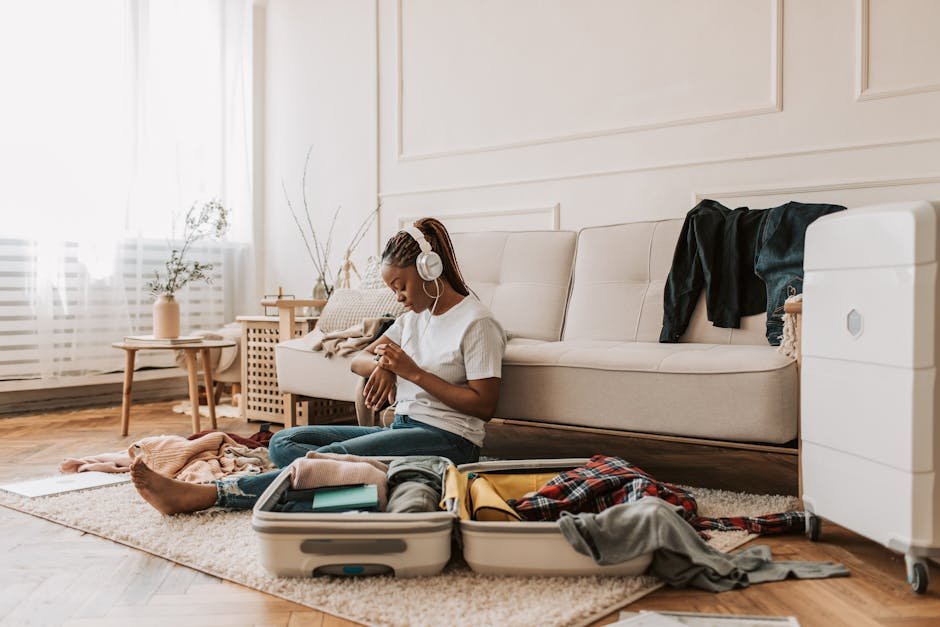
Test Your Packing Before You Go
Do a trial pack a week before departure. Walk around with your bag, take the subway, or climb stairs. Can you carry it comfortably? Is it under your airline’s weight limit?
Check for missing essentials: passport, tickets, medications, adapters. Verify that all electronics are charged and cables work. Make digital copies of important documents and store them in cloud storage.
Adjust Based on Experience
After a few days of travel, reassess. Did you use everything? Are there items you haven’t touched? Make notes for future trips. Over time, you’ll refine your packing list to near perfection.
Keep a packing journal. Note what worked, what didn’t, and what you wish you’d brought. This helps you pack smarter on your next long trip.
Common Mistakes to Avoid
Even experienced travelers make packing errors. Avoid these common pitfalls:
- Overpacking “just in case” items: You probably won’t need that extra jacket or formal dress. If you do, you can buy it.
- Bringing full-sized toiletries: They’re heavy and likely to leak. Use travel sizes or buy locally.
- Ignoring airline weight limits: Excess baggage fees add up. Weigh your bag before leaving home.
- Packing fragile items loosely: Wrap electronics in clothing or use padded cases.
- Forgetting travel documents: Keep passports, visas, and insurance info in a secure, accessible place.
Final Checklist Before You Leave
Run through this quick list the night before departure:
- Passport, ID, and travel insurance documents
- Flight/train tickets and accommodation confirmations
- Medications and prescriptions
- Chargers, adapters, and power bank
- Phone and camera batteries fully charged
- Wallet with local currency and credit cards
- Reusable water bottle and snacks
- Laundry supplies and repair kit
Pack your carry-on with essentials: change of clothes, toiletries, medications, and electronics. If your checked bag is lost, you’ll have the basics to get by.
FAQ
Q: How many outfits should I pack for a two-week trip?
A: Aim for 5–7 mix-and-match outfits. With a capsule wardrobe and planned laundry, this is enough for two weeks without overpacking.
Q: Can I really go two weeks without doing laundry?
A: Yes—if you plan to do laundry once. Bring a small amount of detergent and wash clothes in the sink. Most items dry overnight, especially synthetics and merino wool.
Q: What’s the best way to pack shoes without taking up too much space?
A: Wear your bulkiest pair on the plane. Use shoe bags to protect clothes, and stuff socks or small items inside to save space.