

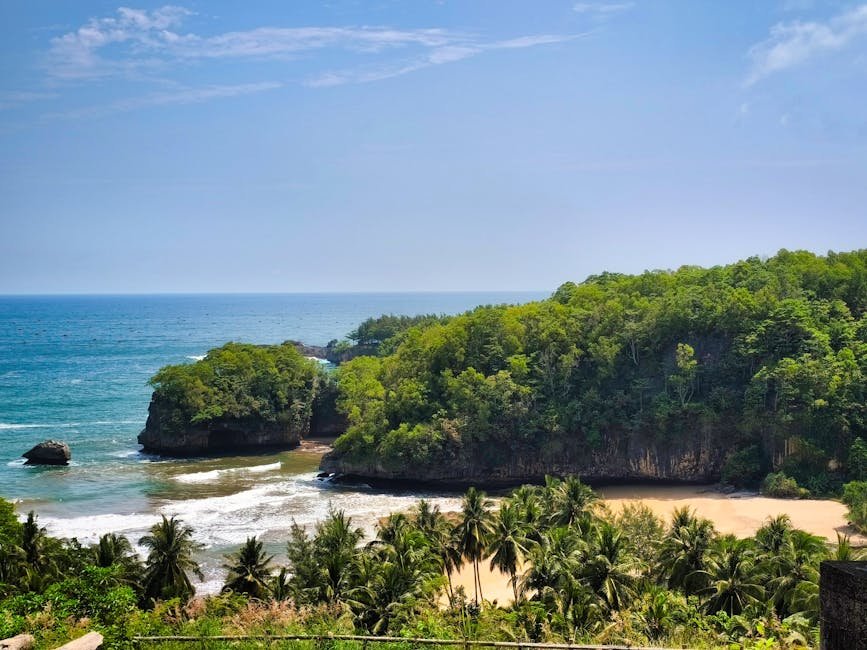
Top Places to Visit in Indonesia for Beach Lovers
Top Places to Visit in Indonesia for Beach Lovers
Indonesia is a tropical paradise made for beach lovers. With over 17,000 islands stretching across the equator, it offers some of the world’s most stunning coastlines—crystal-clear waters, powdery white sands, and vibrant marine life. Whether you’re seeking luxury resorts, hidden coves, or world-class surfing, Indonesia delivers. From the famous shores of Bali to the remote beauty of Raja Ampat, this guide highlights the best beach destinations across the archipelago. Each location offers something unique, whether it’s snorkeling with manta rays, watching sunsets over volcanic backdrops, or simply unwinding in a beachfront bungalow.
Bali: The Iconic Beach Destination
Bali is often the first name that comes to mind when people think of Indonesian beaches. It’s not just one beach but a collection of diverse coastal experiences across the island. From the lively surf breaks of Kuta to the serene shores of Nusa Dua, Bali caters to every kind of traveler.
Kuta and Seminyak: Vibrant Beach Towns
Kuta Beach is famous for its long stretch of golden sand and consistent waves, making it a favorite among surfers and backpackers. It’s also known for its bustling nightlife and affordable accommodations. Just north of Kuta, Seminyak offers a more upscale vibe with designer boutiques, beach clubs, and fine dining right on the sand.
While Kuta can get crowded, especially during peak season, it’s a great base for exploring nearby attractions like Uluwatu Temple and the cliffside beaches of the Bukit Peninsula. Seminyak, on the other hand, is ideal for travelers who want comfort and style without sacrificing beach access.
Uluwatu and Padang Padang: Cliffside Beauty
Perched on limestone cliffs, Uluwatu offers dramatic ocean views and some of Bali’s best surf spots. The beach below is accessible via a steep staircase, but the effort is rewarded with powerful waves and fewer crowds. Nearby, Padang Padang Beach is a small cove framed by rocky outcrops, famous for its appearance in the movie <emEat Pray Love.
Both beaches are best visited in the late afternoon when the light is soft and the surf is active. Be cautious of strong currents, especially during high tide. The area is also home to the iconic Uluwatu Temple, where traditional Kecak fire dances are performed at sunset.
Nusa Dua and Sanur: Resort Comfort
For travelers seeking tranquility and luxury, Nusa Dua is the answer. This gated resort area features manicured beaches, five-star hotels, and calm waters perfect for swimming and paddleboarding. The shoreline is protected by a reef, creating a lagoon-like environment ideal for families.
Sanur, on the eastern coast, offers a more local feel with a laid-back atmosphere. Its long, shallow beach is great for morning walks and sunrise views. Sanur is also a gateway to snorkeling trips to Nusa Penida and the nearby coral reefs.
Lombok: Bali’s Less Crowded Neighbor
Just east of Bali, Lombok offers a more relaxed and authentic island experience. While it shares Bali’s tropical charm, it’s less developed and attracts fewer tourists. The island is dominated by Mount Rinjani, but its coastline is equally impressive.
Senggigi: The Classic Lombok Beach
Senggigi was once the main tourist hub of Lombok and still offers a range of accommodations and restaurants along its crescent-shaped bay. The beach is wide and sandy, with gentle waves suitable for swimming. It’s a good base for exploring the island, including visits to local Sasak villages and waterfalls.
While Senggigi has seen slower development in recent years, it remains a solid choice for travelers who want comfort without the crowds of Bali. The sunsets over the Bali Strait are particularly stunning.
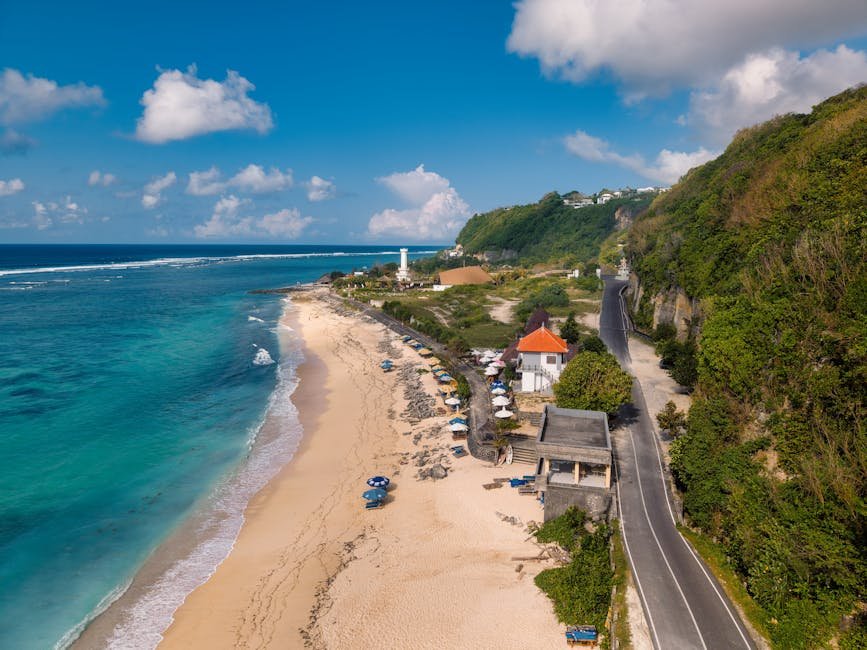
Kuta Lombok (Tanjung Aan): Hidden Gem
Not to be confused with Kuta in Bali, Kuta Lombok is a quiet fishing village with one of the island’s most beautiful beaches. Tanjung Aan is known for its unique pepper-sand texture—fine, white, and slightly granular. The bay is shallow and calm, making it safe for children.
The area has seen gradual development, with small guesthouses and warungs (local eateries) lining the road. It’s less commercialized than Bali’s Kuta, offering a more genuine island experience. Nearby, you can visit traditional villages or take a boat to the Gili Islands.
The Gili Islands: A Tropical Trio
The Gili Islands—Gili Trawangan, Gili Meno, and Gili Air—are three small islands off Lombok’s northwest coast. Car-free and surrounded by turquoise waters, they’re a magnet for snorkelers, divers, and sunset seekers.
Gili Trawangan: The Party Island
Gili T is the largest and most developed of the three, known for its lively beach bars, diving shops, and backpacker vibe. The island has a range of accommodations, from budget bungalows to boutique hotels. The beach is long and sandy, with excellent snorkeling right offshore.
Despite its party reputation, Gili T also offers quiet spots, especially on the eastern side. Rent a bicycle or take a horse-drawn carriage to explore the island in a day. The coral reefs here are home to turtles, clownfish, and reef sharks.
Gili Meno: The Quiet Escape
Gili Meno is the smallest and most peaceful of the trio. With fewer tourists and minimal nightlife, it’s perfect for couples and those seeking solitude. The island has a single main beach and a small lagoon ideal for swimming.
Snorkeling around Gili Meno is exceptional, with clear waters and abundant marine life. The island is also known for its saltwater lake, a rare natural feature. Accommodations are limited but charming, often featuring overwater bungalows.
Gili Air: The Balanced Choice
Gili Air strikes a balance between the party scene of Gili T and the quiet of Gili Meno. It has a mix of accommodations, a few beach bars, and a relaxed atmosphere. The island is easy to explore on foot or by bike.
The snorkeling here is just as good as the other islands, with healthy coral gardens and frequent turtle sightings. Gili Air is also closer to Lombok, making day trips to the mainland convenient.
Komodo National Park: Beaches with a Wild Side
Located in the Lesser Sunda Islands, Komodo National Park is a UNESCO World Heritage Site known for its Komodo dragons. But beyond the wildlife, the park boasts some of Indonesia’s most dramatic and untouched beaches.
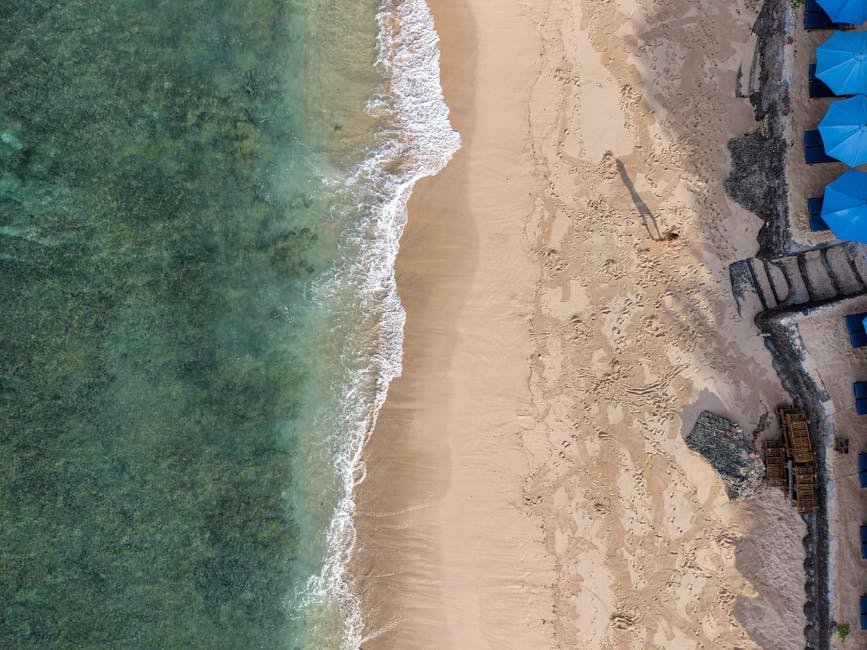
Pink Beach (Pantai Merah): A Natural Wonder
One of only seven pink sand beaches in the world, Pink Beach gets its color from crushed red coral mixed with white sand. The result is a soft, rosy hue that glows in the sunlight. The beach is surrounded by steep hills and clear waters perfect for snorkeling.
Access is by boat from Labuan Bajo on Flores Island. The beach is part of a protected marine area, so visitors must follow park rules, including no littering and no touching coral. The snorkeling here is outstanding, with vibrant reefs and schools of tropical fish.
Kanawa and Padar Islands: Secluded Shores
Kanawa Island is a small, uninhabited island with a pristine white-sand beach and calm waters. It’s a popular stop for day trips and offers basic facilities like a small café and rest area. The island is ideal for swimming, sunbathing, and photography.
Padar Island is more rugged, with no permanent beach but stunning viewpoints. The famous Padar Island viewpoint offers panoramic views of three turquoise bays surrounded by rolling hills. While there’s no swimming here, the hike is worth it for the scenery.
Raja Ampat: The Ultimate Diver’s Paradise
Raja Ampat, in West Papua, is often called the crown jewel of Indonesia’s marine biodiversity. This remote archipelago consists of over 1,500 small islands, cays, and shoals. While it’s a top destination for divers, its beaches are equally breathtaking.
Misool Island: Remote Luxury
Misool is one of the most remote and pristine islands in Raja Ampat. Its beaches are framed by towering limestone karsts and crystal-clear lagoons. Some resorts offer overwater villas with direct access to the sea.
The diving here is world-class, with manta rays, whale sharks, and rare coral species. But even non-divers will be captivated by the island’s natural beauty. Access is by liveaboard boat or small plane from Sorong.
Wayag Island: Iconic Scenery
Wayag is famous for its dramatic karst formations rising from emerald waters. While there’s no traditional beach, the island offers stunning viewpoints and kayaking opportunities. The iconic view of the karsts at sunrise is a must-see.
Visitors typically arrive by boat as part of a liveaboard tour. The area is remote, so prepare for basic amenities and limited connectivity. But for those seeking untouched beauty, Wayag is unforgettable.
Flores and Labuan Bajo: Gateway to Adventure
Flores Island is often overlooked but offers incredible coastal scenery and access to Komodo National Park. Labuan Bajo, a small fishing town on the western tip, has become the main gateway for tourists.
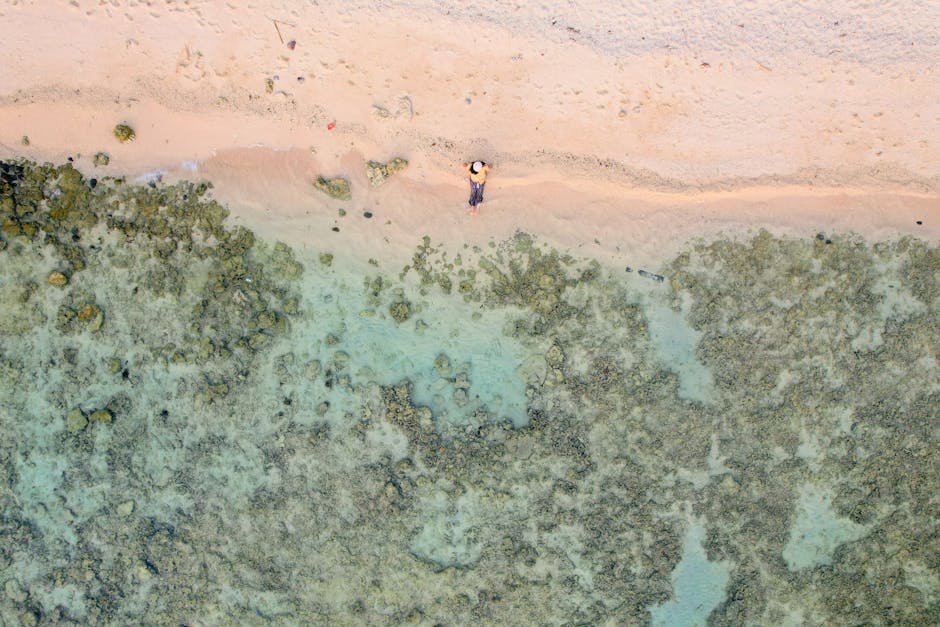
Labuan Bajo Beaches: Simple and Scenic
While Labuan Bajo itself has a working harbor, nearby beaches like Pantai Cemara and Pantai Pede offer quiet retreats with views of the surrounding hills. These beaches are great for swimming and watching traditional fishing boats.
The real draw, however, is the boat tours to nearby islands. Most visitors use Labuan Bajo as a base for multi-day cruises to Komodo, Pink Beach, and beyond. Accommodations range from budget hostels to luxury resorts.
Bangka and Belitung: Granite Islands with a Difference
Off the east coast of Sumatra, Bangka and Belitung islands are known for their unique granite rock formations and calm, shallow seas. The beaches here are less crowded and offer a different kind of tropical experience.
Tanjung Tinggi and Lengkuas Island: Natural Beauty
Tanjung Tinggi Beach on Belitung is famous for its smooth granite boulders scattered along the shore. The water is shallow and clear, making it ideal for families. Nearby, Lengkuas Island features a historic lighthouse and great snorkeling.
The islands are accessible by ferry from Pangkal Pinang. While not as developed as Bali or Lombok, they offer a peaceful alternative with charming local culture and delicious seafood.
Tips for Traveling to Indonesia’s Beaches
Indonesia’s beaches are diverse, but traveling between them requires planning. Domestic flights, ferries, and boats are the main ways to get around. Always check weather conditions, especially during the rainy season from November to March.
Pack reef-safe sunscreen to protect marine ecosystems. Many beaches have strong currents or riptides—swim only in designated areas and heed local warnings. Respect local customs, especially in more conservative regions like Aceh or West Nusa Tenggara.
Book accommodations and tours in advance during peak season (June to August and December). Consider traveling in the shoulder months (April–May or September–October) for better prices and fewer crowds.
FAQ
What is the best time to visit Indonesia’s beaches?
The dry season from April to October is ideal, with calm seas and sunny weather. Avoid the rainy season (November to March) if possible, especially for island hopping and diving.
Do I need a visa to visit Indonesia?
Many nationalities can enter Indonesia visa-free for up to 30 days. Check the latest requirements based on your passport before traveling.
Is it safe to swim at Indonesia’s beaches?
Most beaches are safe, but always check for warning signs, strong currents, or jellyfish. Swim near lifeguards when available and avoid swimming alone at remote locations.