

Top Mountain Adventures for Thrill Seekers Guide
Top Mountain Adventures for Thrill Seekers Guide
For adrenaline junkies and outdoor enthusiasts, mountain adventures offer some of the most exhilarating experiences on Earth. Whether you’re scaling sheer rock faces, skiing steep backcountry slopes, or paragliding over alpine ridges, the world’s highest peaks deliver unmatched thrills. This guide highlights the top mountain adventures for thrill seekers, from iconic destinations to hidden gems, with practical advice on preparation, safety, and what to expect. If you’re ready to push your limits and embrace the vertical world, these mountain challenges are worth adding to your bucket list.
Why Mountain Adventures Appeal to Thrill Seekers
Mountains combine natural beauty with extreme physical and mental challenges. The thin air, unpredictable weather, and technical terrain demand focus, strength, and courage. For many, the reward isn’t just the summit—it’s the journey through fear, fatigue, and doubt.
Unlike controlled environments like theme parks, mountain adventures are raw and unscripted. Every climb, descent, or traverse carries real risk, which is part of what makes them so compelling. The sense of accomplishment after conquering a peak is deeply personal and lasting.
These experiences also foster resilience and self-reliance. Whether you’re navigating a glacier or surviving a sudden snowstorm, mountain adventures teach you to adapt and trust your instincts.
Essential Skills and Preparation for Mountain Thrills
Before attempting any serious mountain adventure, proper preparation is non-negotiable. Start with physical conditioning—cardio, strength training, and endurance workouts are essential. Hiking with a weighted pack, rock climbing, and trail running build the stamina needed for high-altitude exertion.
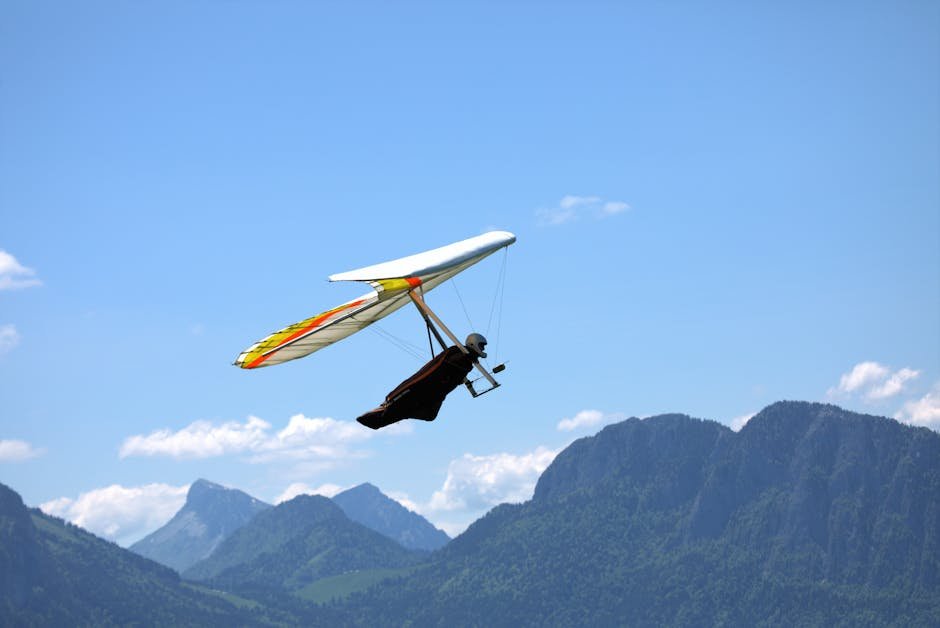
Technical skills vary by activity. Rock climbers need to master knots, belaying, and route reading. Skiers should understand avalanche safety and off-piste navigation. Paragliders must complete certified training and learn weather assessment.
Always research your destination. Check elevation, typical weather patterns, and local regulations. Some peaks require permits or guided tours. Never underestimate the mountain—overconfidence is a common cause of accidents.
Gear You Can’t Skip
Quality gear is your lifeline in the mountains. Invest in reliable footwear—hiking boots for treks, climbing shoes for rock faces, or ski boots for snow descents. Layered clothing systems (base, insulating, and shell layers) manage moisture and temperature.
Navigation tools like GPS devices, topographic maps, and compasses are vital. A headlamp, first-aid kit, and emergency shelter should always be in your pack. For technical climbs, helmets, harnesses, and ropes are mandatory.
Don’t forget sun protection. At high altitudes, UV exposure increases significantly. Sunglasses with UV400 protection, sunscreen, and lip balm prevent burns and snow blindness.
Top Mountain Adventures for Thrill Seekers
From icy summits to rugged cliffs, these mountain adventures deliver heart-pounding excitement and unforgettable views. Each offers a unique challenge, whether you’re a seasoned mountaineer or an adventurous beginner.
1. Ice Climbing in Vail, Colorado
Vail’s frozen waterfalls and ice formations attract climbers from around the world. The area features routes for all skill levels, from beginner-friendly flows to vertical ice walls over 100 feet tall.
Guided tours are available through local outfitters, providing instruction and equipment. Most climbs last 3–5 hours and include safety briefings. Winter conditions are ideal from December to March.
Ice climbing requires crampons, ice axes, and a helmet. The sport demands upper-body strength and precise footwork. Falling is part of learning, but proper technique minimizes risk.
Vail’s combination of accessibility and challenge makes it a top destination for winter thrill seekers.
2. Heli-Skiing in British Columbia, Canada
For skiers craving untouched powder and steep terrain, heli-skiing in British Columbia is the ultimate adventure. Remote alpine bowls and tree-lined chutes are accessed by helicopter, offering pristine conditions far from crowded resorts.
Operators like CMH and Mike Wiegele Helicopter Skiing provide multi-day packages with lodging, meals, and guides. Avalanche safety training is included, and groups are kept small for safety.
Expect long descents, variable snow, and breathtaking scenery. This is not for beginners—advanced skiing skills and backcountry experience are required.
Heli-skiing is expensive, but the exclusivity and thrill justify the cost for many adrenaline seekers.
3. Paragliding in Interlaken, Switzerland
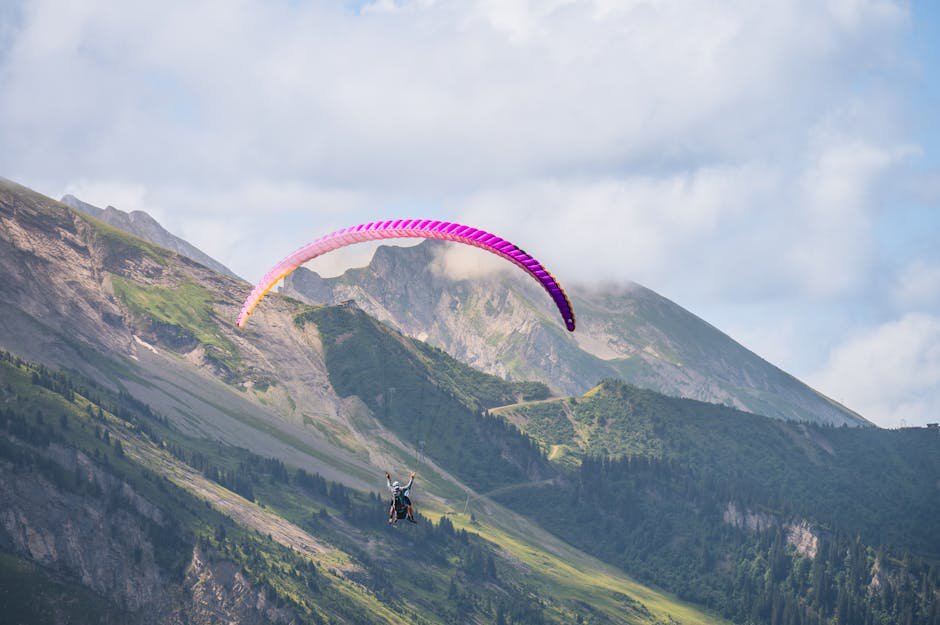
Interlaken sits between two lakes and beneath the Swiss Alps, making it a paradise for paragliding. Launch sites like Beatenberg and Lauterbrunnen offer panoramic views of snow-capped peaks and deep valleys.
Tandem flights with certified pilots are available for first-timers. The experience includes a short training session, a scenic drive to the launch point, and a 15–30 minute flight.
Thermals and ridge lifts allow for extended air time. Some pilots perform acrobatic maneuvers, though most focus on smooth, scenic glides.
Paragliding here is safe, accessible, and visually stunning—perfect for thrill seekers who prefer air over rock.
4. Via Ferrata in the Dolomites, Italy
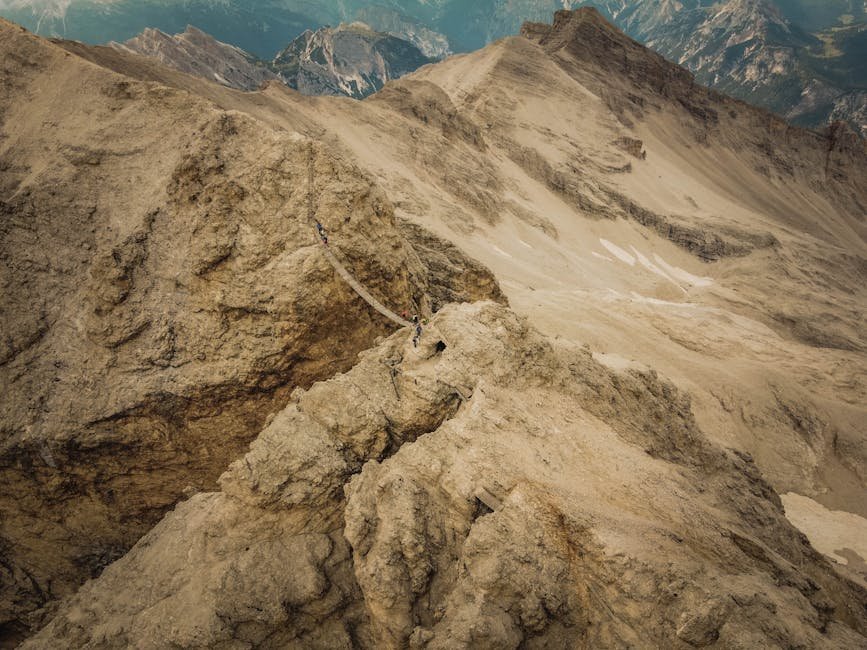
Via ferrata, or “iron way,” routes use steel cables, ladders, and bridges to guide climbers up exposed ridges. The Dolomites in northern Italy offer some of the most dramatic and well-maintained routes in the world.
Popular paths include the Via Ferrata delle Trincee and the Punta Tre Vescovi. Most require a harness, helmet, and via ferrata kit (energy absorber and carabiners). Guides are recommended for first-timers.
These routes blend hiking and climbing, offering exposure without technical rope skills. The views of jagged peaks and alpine meadows are unmatched.
Via ferrata is ideal for those who want height and adventure without committing to full mountaineering.
5. Base Jumping from Kjerag, Norway
Kjerag is one of the few legal base jumping sites in the world. Located in Lysefjord, the 1,110-meter cliff attracts daredevils from across the globe.
Jumps are permitted only during the summer season (May to September). Participants must register and follow strict safety protocols. The landing zone is a narrow ledge, requiring precision and experience.
Base jumping is extremely dangerous and not recommended for amateurs. Most jumpers have hundreds of skydives and specific base training.
For those who dare, Kjerag offers a once-in-a-lifetime leap into the abyss.
6. High-Altitude Trekking in Nepal
The Himalayas are the ultimate destination for high-altitude adventure. Treks like the Everest Base Camp route or the Annapurna Circuit challenge the body and mind with thin air, long days, and rugged trails.
Acclimatization is critical. Most itineraries include rest days to prevent altitude sickness. Porters and guides ease the physical load and provide local knowledge.
While not technical climbs, these treks require excellent fitness and mental toughness. The reward is standing in the shadow of the world’s highest peaks.
Nepal’s culture, scenery, and spiritual atmosphere add depth to the physical challenge.
7. Glacier Hiking on Vatnajökull, Iceland
Vatnajökull is Europe’s largest glacier and a playground for ice adventurers. Guided hikes traverse blue ice caves, deep crevasses, and snowfields under the shadow of volcanic peaks.
Tours operate from Skaftafell and Jökulsárlón, typically lasting 3–6 hours. Crampons and ice axes are provided. The terrain is uneven and slippery—balance and caution are essential.
Glacier hiking reveals the raw power of ice and time. The silence and scale are humbling.
Best visited from May to September, this adventure combines natural wonder with physical exertion.
8. Rock Climbing in Yosemite National Park, USA
Yosemite is legendary for big wall climbing. El Capitan and Half Dome draw climbers seeking multi-day ascents on granite monoliths.
Routes like The Nose and Freerider require advanced technique, endurance, and camping on the wall. Most climbers spend 3–5 days completing a single route.
For shorter thrills, single-pitch climbs on Cathedral Peak or Swan Slabs offer stunning views and technical challenges.
Yosemite’s climbing culture is rich and supportive. Local guide services and climbing schools help newcomers get started.
9. Snowkiting in Chamonix, France
Snowkiting uses a kite to pull riders across snow and ice at high speeds. Chamonix, nestled beneath Mont Blanc, offers wide-open fields and consistent winds.
Beginners can take lessons from certified instructors. Advanced riders perform jumps and long-distance traverses across frozen lakes.
Proper gear includes a snowkite, harness, skis or snowboard, and avalanche safety equipment. Wind conditions vary daily—check forecasts before heading out.
Snowkiting blends the freedom of skiing with the thrill of flight.
10. Canyoning in the Blue Mountains, Australia
Canyoning involves rappelling, swimming, and climbing through narrow gorges. The Blue Mountains near Sydney feature waterfalls, rock slides, and hidden pools.
Guided tours provide wetsuits, helmets, and instruction. Routes like Empress Canyon and Junction Box offer a mix of technical and scenic challenges.
This adventure is physically demanding but accessible to fit beginners. The cool water and lush surroundings provide a refreshing contrast to dry mountain climbs.
Safety First: Minimizing Risk in Mountain Adventures
Mountain environments are inherently unpredictable. Weather can change in minutes, trails can disappear, and equipment can fail. Preparation and caution are your best defenses.
Always check the forecast before heading out. Avoid storms, high winds, or extreme cold. If conditions deteriorate, turn back—no summit is worth your life.
Travel with a partner or group. Solo adventurers are at greater risk if injured or lost. Share your itinerary with someone reliable and check in regularly.
Know your limits. Pushing too hard can lead to exhaustion, poor decisions, or accidents. It’s better to retreat and return another day than to risk a rescue.
Common Hazards and How to Avoid Them
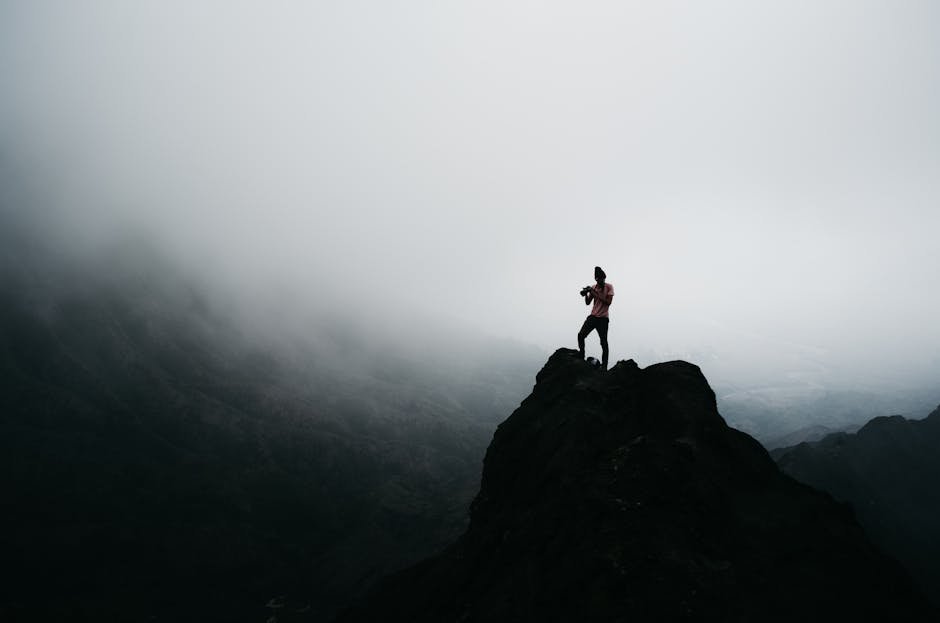
Altitude sickness affects even experienced climbers. Symptoms include headache, nausea, and dizziness. Ascend slowly, stay hydrated, and descend if symptoms worsen.
Avalanches are a serious threat in snow-covered mountains. Learn to read snow conditions, carry a beacon, probe, and shovel, and avoid steep slopes during high-risk periods.
Hypothermia and frostbite occur when body heat is lost faster than it’s produced. Dress in layers, stay dry, and seek shelter in cold or wet conditions.
Rockfall and icefall can strike without warning. Wear a helmet and avoid climbing under other parties. Be aware of overhead hazards.
Choosing the Right Adventure for Your Skill Level
Not all mountain thrills require expert skills. Many adventures offer scalable challenges, allowing beginners to start small and progress over time.
If you’re new to mountain activities, begin with guided tours or introductory courses. These provide instruction, equipment, and supervision, reducing risk and building confidence.
Intermediate adventurers can tackle longer treks, moderate climbs, or multi-sport trips. Focus on improving technique and endurance.
Advanced thrill seekers should pursue technical climbs, remote expeditions, or high-risk sports like base jumping. Always train thoroughly and respect the environment.
Matching your adventure to your ability ensures safety and enjoyment.
Environmental Responsibility in Mountain Tourism
Mountains are fragile ecosystems. Human impact—litter, trail erosion, and disturbance to wildlife—can cause lasting damage.
Follow Leave No Trace principles: pack out all trash, stay on marked trails, and avoid disturbing animals. Use biodegradable soap and dig catholes for human waste.
Support local conservation efforts. Many mountain regions rely on tourism revenue to fund protection programs. Choose eco-conscious operators and respect cultural sites.
Responsible adventure ensures these wild places remain accessible for future generations.
Planning Your Next Mountain Thrill
Start by choosing an adventure that matches your interests and fitness level. Research destinations, seasons, and required permits. Book guides or tours in advance, especially for popular locations.
Create a detailed itinerary with daily goals, rest stops, and emergency contacts. Share it with family or friends.
Budget for gear, travel, and unexpected costs. Some adventures, like heli-skiing or guided climbs, require significant investment.
Finally, prepare mentally. Mountain adventures test more than physical strength—they challenge your courage, patience, and determination.
FAQ
What is the best time of year for mountain adventures?
It depends on the activity and location. Summer (June–August) is ideal for hiking, climbing, and paragliding in temperate zones. Winter (December–March) suits skiing, ice climbing, and snowkiting. Always check local conditions and seasonal closures.
Do I need a guide for mountain adventures?
For beginners or technical activities, yes. Guides provide expertise, safety, and access to remote areas. Experienced adventurers may go solo, but should still inform others of their plans and carry emergency gear.
How can I prepare physically for a mountain adventure?
Build endurance with cardio and strength training. Practice with weighted hikes, rock climbing, or skiing. Focus on legs, core, and cardiovascular fitness. Acclimatize gradually if heading to high altitudes.